Introduction
The Institute of Solar Technology (IST) offers a comprehensive Battery Energy Storage System (BESS) Training Course designed for students, solar engineers, electrical professionals, renewable energy technicians, entrepreneurs, and industry professionals who want to develop practical knowledge and technical skills in battery energy storage technology.
Battery Energy Storage Systems (BESS) are becoming an essential part of the renewable energy industry. They help store electricity generated from solar PV systems and other renewable energy sources for use during periods of high demand, power outages, or low solar generation. BESS technology also supports grid stability, energy management, peak shaving, and improved energy independence.
What is a Battery Energy Storage System (BESS)?
A Battery Energy Storage System is a technology that stores electrical energy in rechargeable batteries and supplies it when required. A typical BESS consists of battery modules, a Battery Management System (BMS), a Power Conversion System (PCS), an Energy Management System (EMS), thermal management, fire protection, and electrical safety equipment.
BESS can be integrated with rooftop solar systems, commercial and industrial solar projects, utility-scale solar power plants, and standalone energy storage installations.
BESS Training Course – Course Modules
1. Introduction to Battery Energy Storage Systems
Fundamentals of energy storage technology
Importance of BESS in renewable energy
Types of energy storage systems
Grid-connected and off-grid battery storage
Applications of BESS in residential, commercial, and industrial sectors
2. Battery Technologies
Lithium-ion battery technology
Lithium Iron Phosphate (LFP) batteries
Nickel Manganese Cobalt (NMC) batteries
Lead-acid battery technology
Sodium-ion battery fundamentals
Battery chemistry and performance characteristics
3. Battery Specifications and Technical Parameters
Battery voltage and capacity
Ampere-hour (Ah) and kilowatt-hour (kWh)
State of Charge (SOC)
State of Health (SOH)
Depth of Discharge (DoD)
Charge and discharge rates (C-rate)
Battery cycle life and efficiency
4. Battery Management System (BMS)
BMS architecture and functions
Cell voltage monitoring
Temperature monitoring
Battery balancing
Overcharge and over-discharge protection
Short-circuit and overcurrent protection
BMS communication protocols
5. Power Conversion System (PCS)
Bidirectional inverter technology
AC-coupled and DC-coupled BESS
DC-to-AC and AC-to-DC conversion
Grid synchronization
Inverter operating modes
Power factor and reactive power management
6. BESS System Design and Sizing
Energy demand assessment
Load profile analysis
Battery capacity calculation
Battery bank sizing
Inverter and PCS sizing
Backup duration calculation
Charging and discharging calculations
Round-trip efficiency
Solar PV and battery integration
7. Energy Management System (EMS)
Energy monitoring and control
Peak shaving and load shifting
Demand-side management
Time-of-use energy management
Solar self-consumption optimization
Grid import and export management
8. BESS Installation and Commissioning
Site assessment and preparation
Battery cabinet installation
Electrical connection and wiring
DC and AC protection systems
Earthing and grounding
Communication and monitoring setup
Testing and commissioning procedures
9. BESS Safety and Fire Protection
Battery safety standards and practices
Thermal runaway prevention
Fire detection and suppression
Battery ventilation and cooling
Emergency shutdown procedures
Electrical isolation and safety precautions
Risk assessment and emergency response
10. BESS Operation and Maintenance (O&M)
Battery performance monitoring
Preventive maintenance
Battery health assessment
Fault detection and troubleshooting
Thermal management inspection
Performance and efficiency analysis
Battery replacement and recycling
11. BESS Project Economics and Commercial Analysis
BESS project cost estimation
Capital expenditure (CAPEX)
Operating expenditure (OPEX)
Energy savings calculations
Peak demand cost reduction
Return on investment (ROI)
Payback period analysis
Project feasibility assessment
12. Practical Training and Project Work
Battery capacity calculation exercises
Solar PV with BESS system design
Residential battery backup design
Commercial and industrial BESS design
BESS single-line diagram preparation
Battery and inverter configuration
Practical case studies and project reports
Who Can Join This Course?
This training course is suitable for:
Electrical and electronics engineers
Solar PV engineers and technicians
Renewable energy professionals
Diploma and engineering students
Electrical contractors and consultants
Solar EPC companies
Energy auditors and project developers
Entrepreneurs interested in battery storage businesses
Career Opportunities After BESS Training
BESS technology is creating new career opportunities in the renewable energy and power sectors. After completing the training, participants can develop the technical knowledge required for roles such as:
BESS Design Engineer
Battery Energy Storage Technician
Solar and BESS Project Engineer
Battery Installation Technician
BESS Operation and Maintenance Engineer
Energy Storage System Consultant
Renewable Energy Project Developer
BESS Sales and Technical Support Engineer
Why Choose the Institute of Solar Technology (IST)?
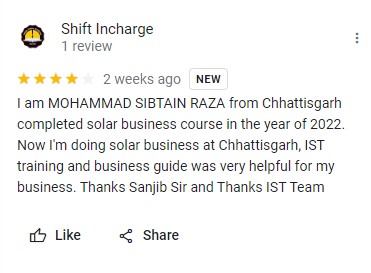
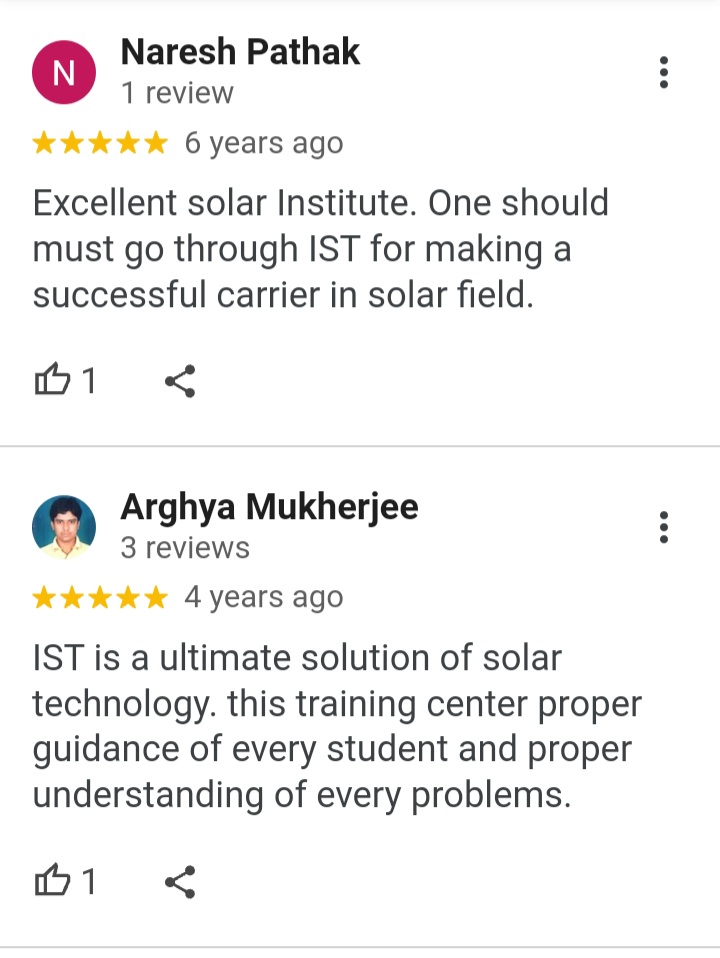
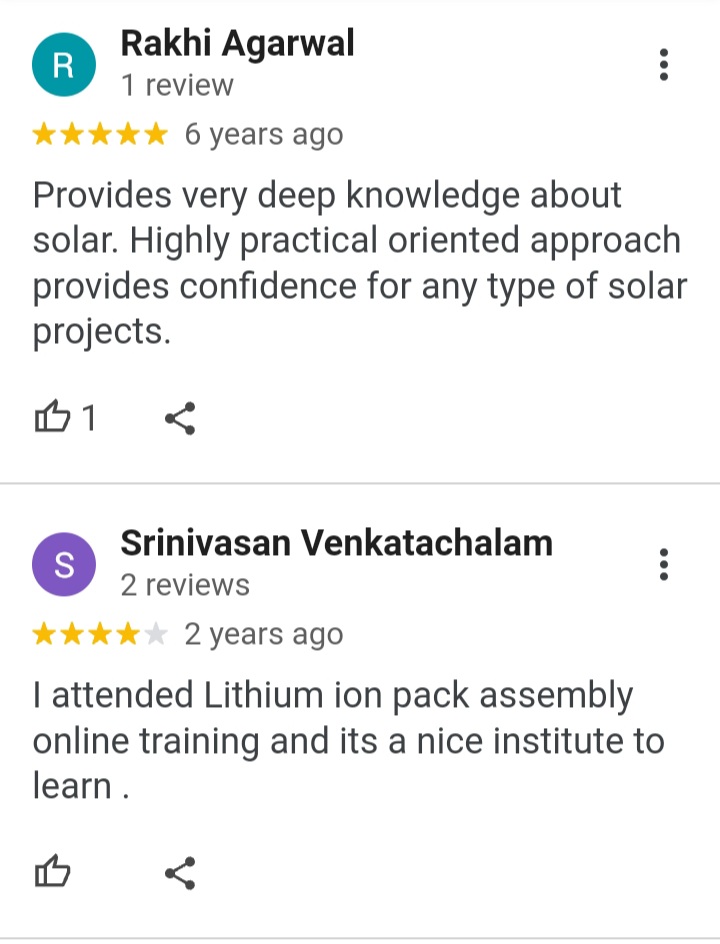
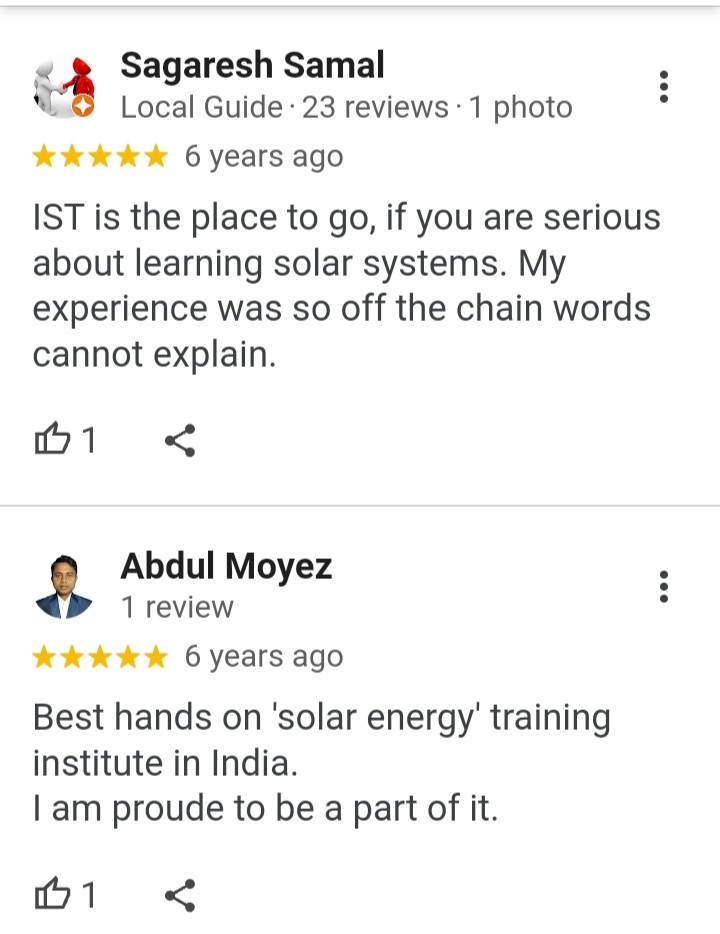
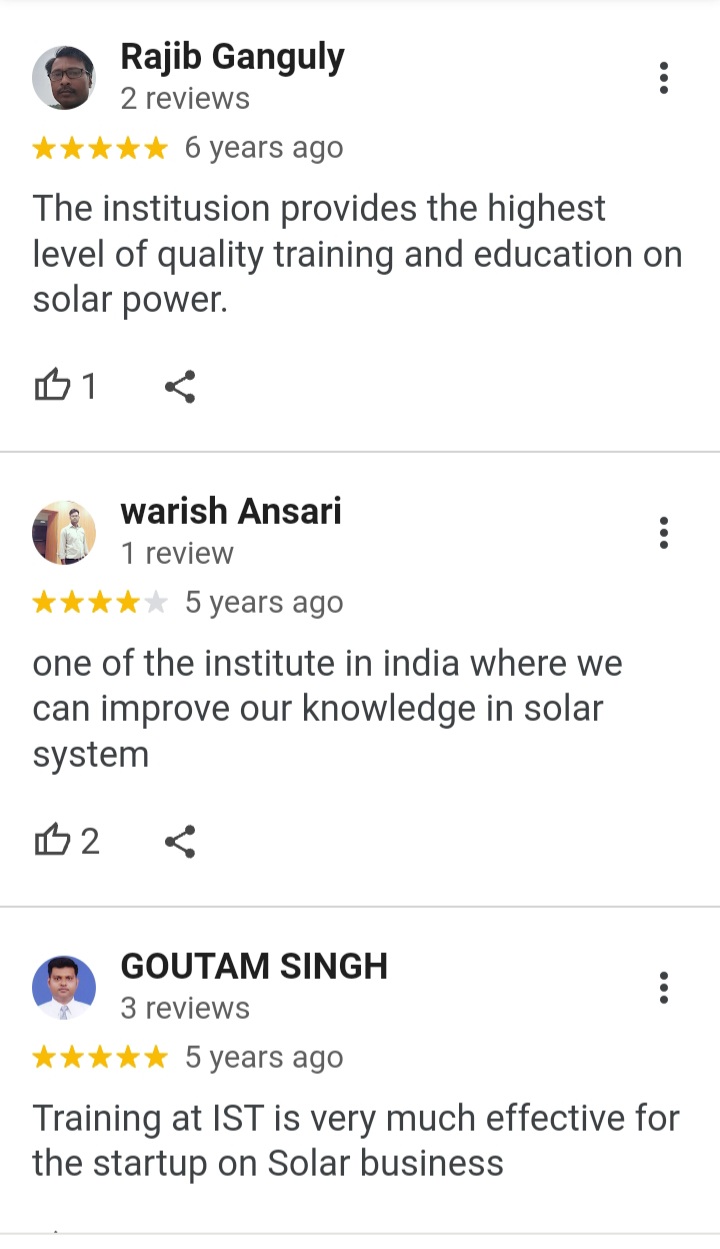
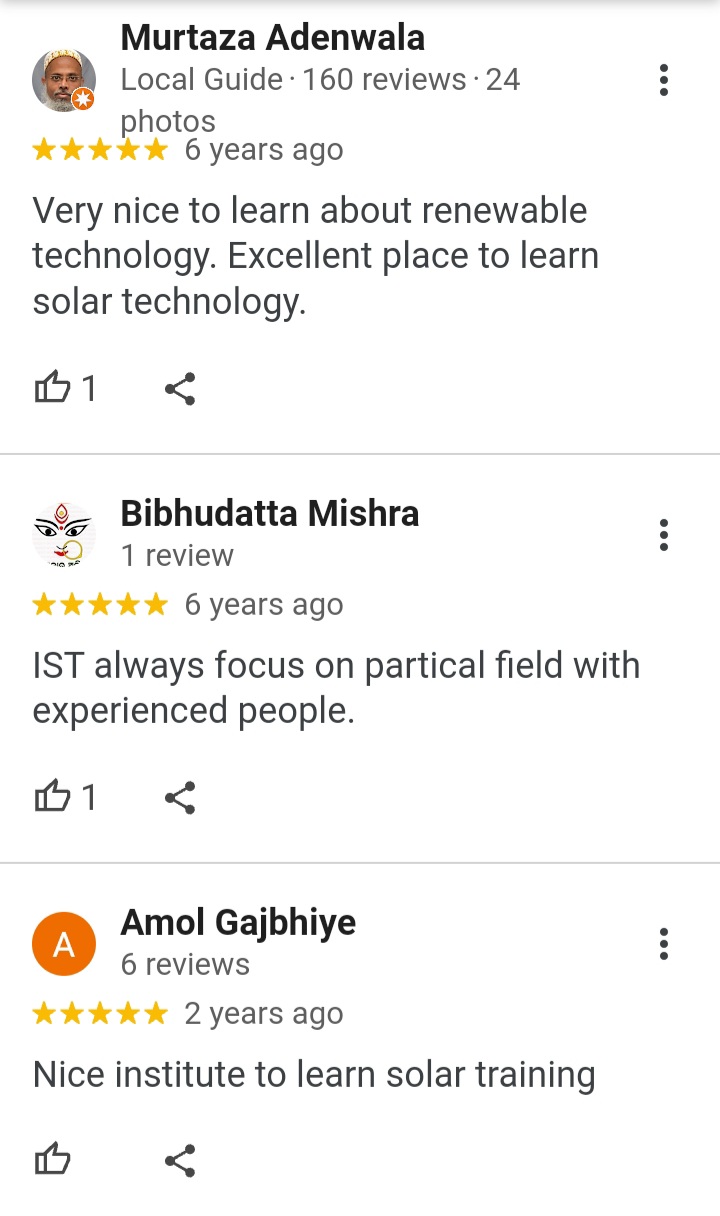
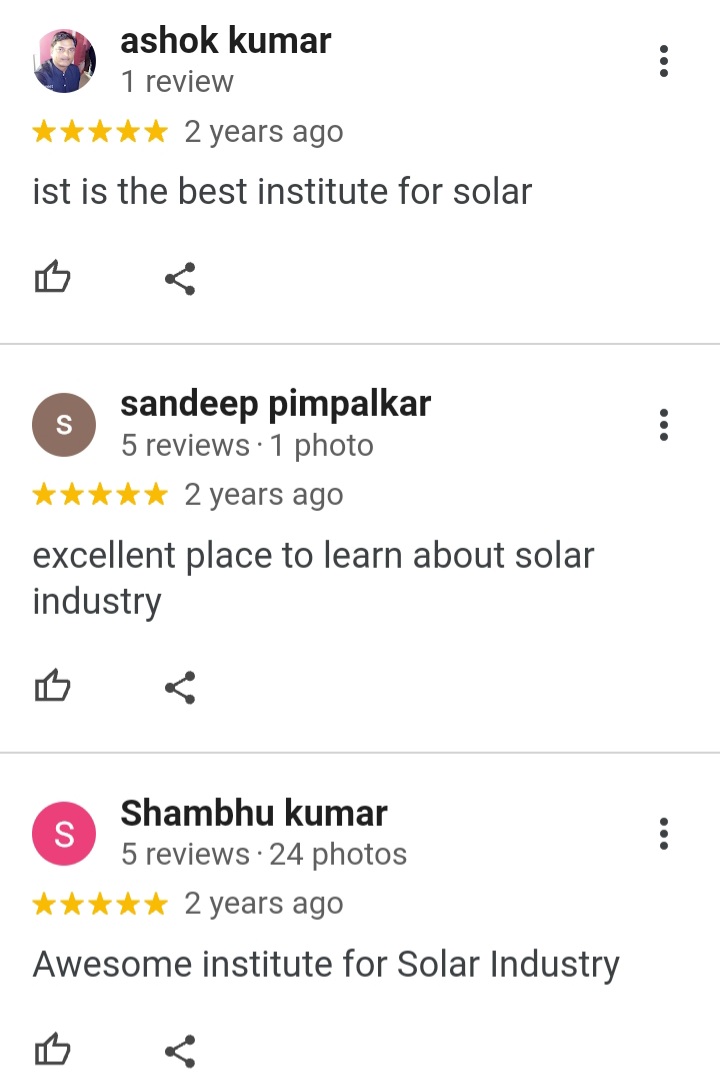
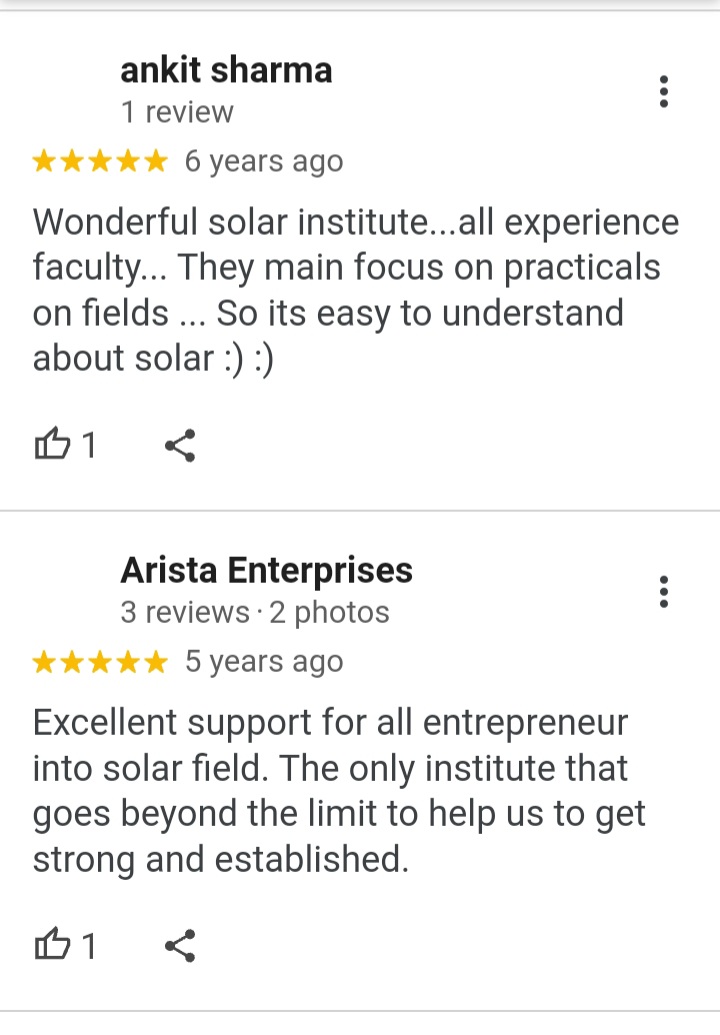
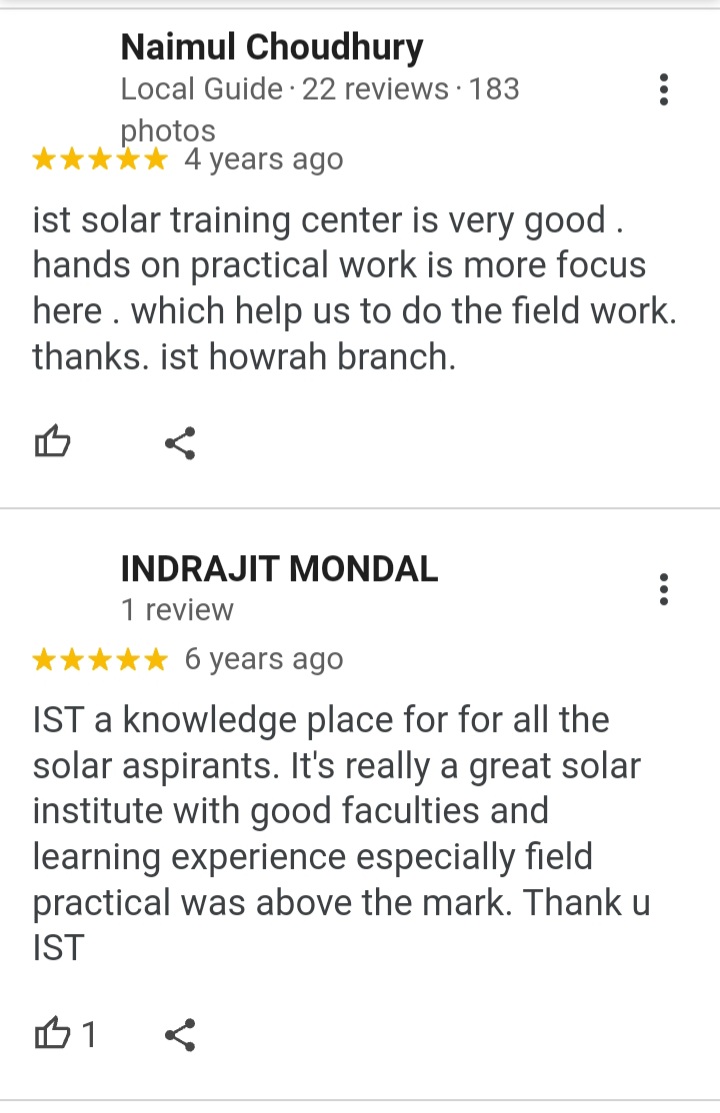
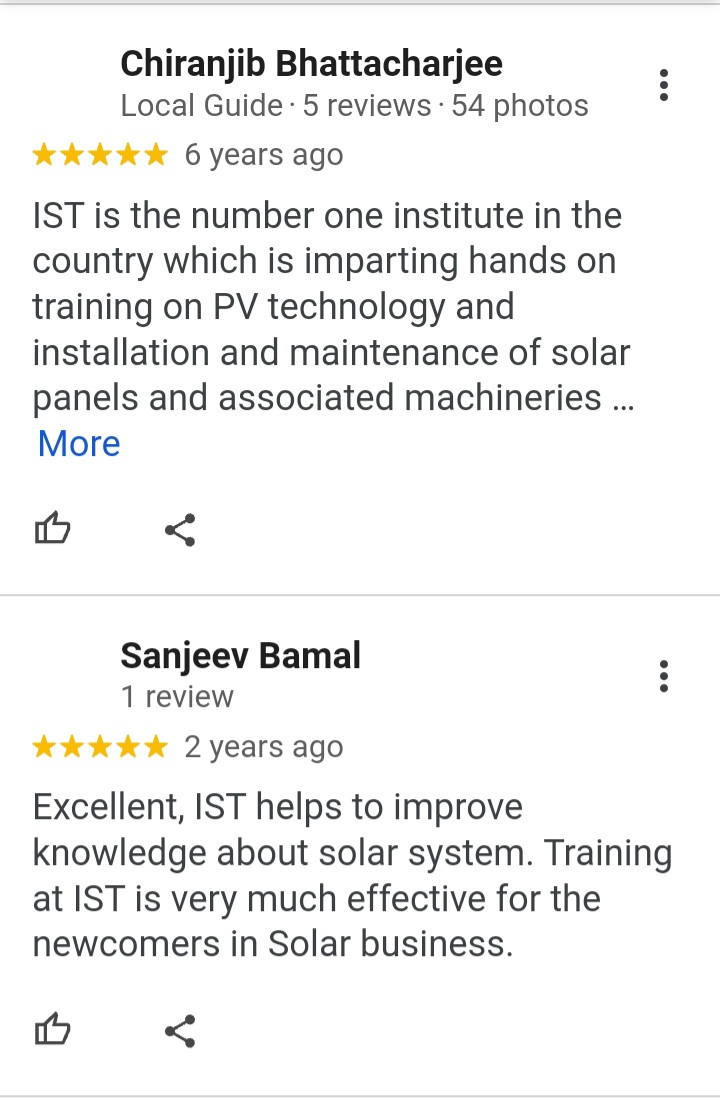
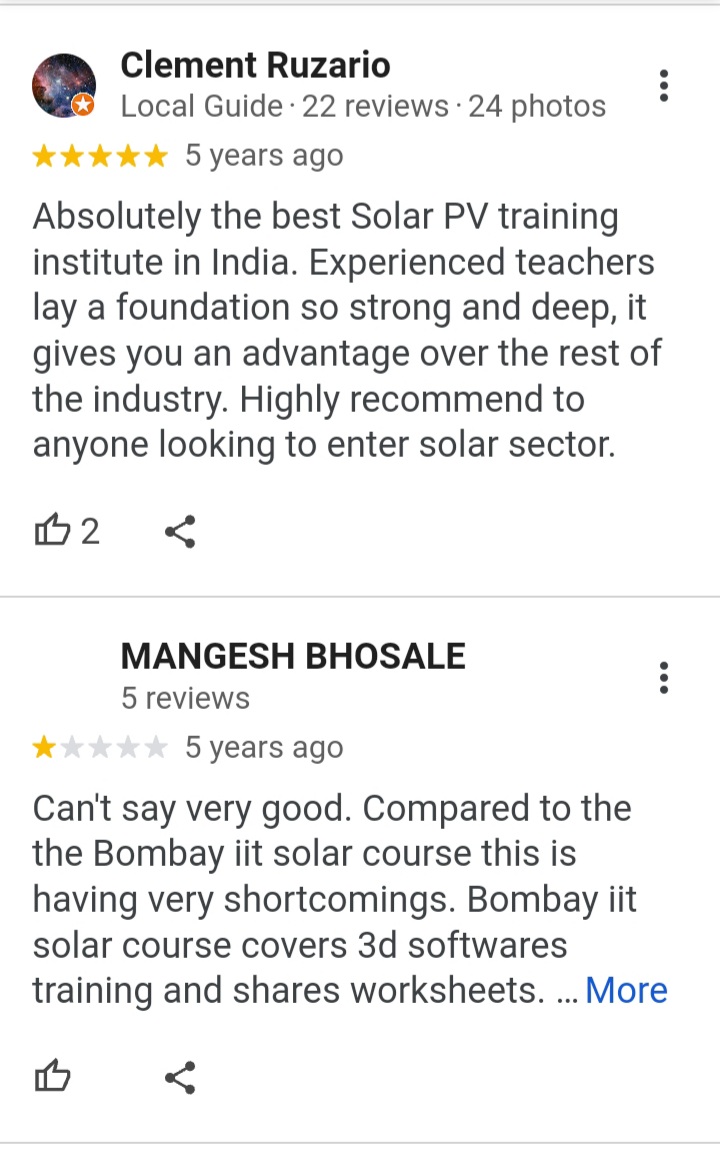
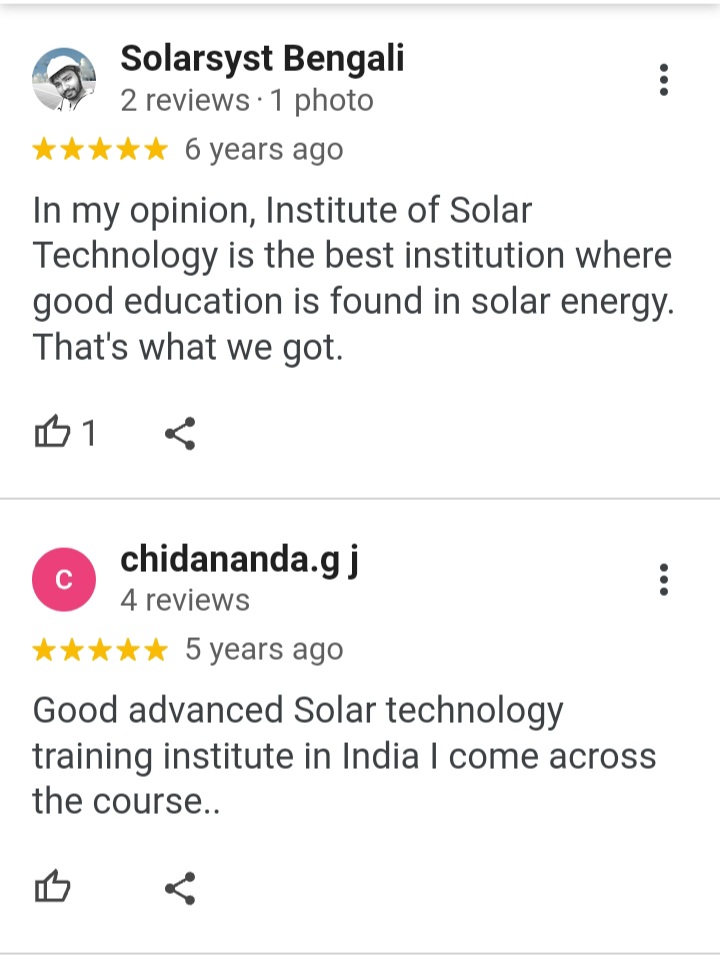
The Institute of Solar Technology (IST) focuses on practical, industry-oriented renewable energy education. Our BESS Training Course is designed to help participants understand battery technologies, system design, electrical integration, safety, installation, operation, maintenance, and commercial aspects of energy storage projects.
The course combines fundamental concepts, technical calculations, system design exercises, and practical project knowledge to help learners develop skills relevant to the growing battery energy storage industry.
Start Your BESS Training with IST
Build your knowledge and technical skills in Battery Energy Storage Systems with the Institute of Solar Technology (IST). Learn battery technology, BESS system design, solar integration, installation, commissioning, safety, and project economics.
Institute of Solar Technology (IST) – Empowering the Future of Solar Energy and Battery Energy Storage Technology.