Electric vehicles (EVs) are becoming increasingly popular in India as people shift towards cleaner and more sustainable transportation. With the growing number of electric cars, bikes, buses, and commercial vehicles, the demand for EV charging infrastructure and skilled EV charging station installers is also increasing.
Becoming an EV charging station installer is an excellent career opportunity for ITI students, diploma holders, electrical engineers, electricians, solar technicians, and individuals interested in renewable energy and electric vehicle technology.
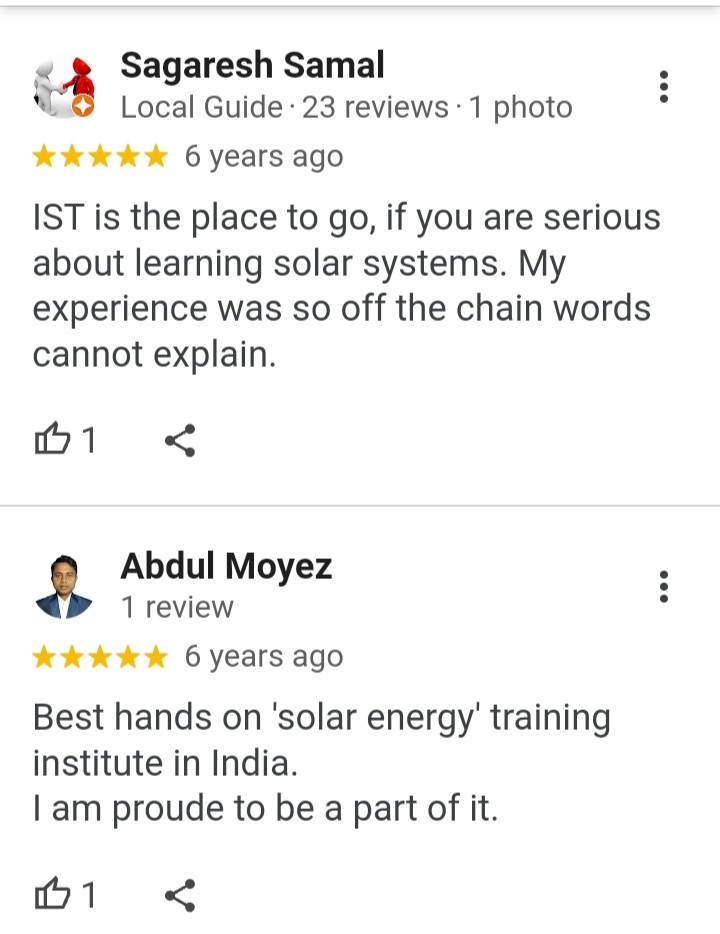
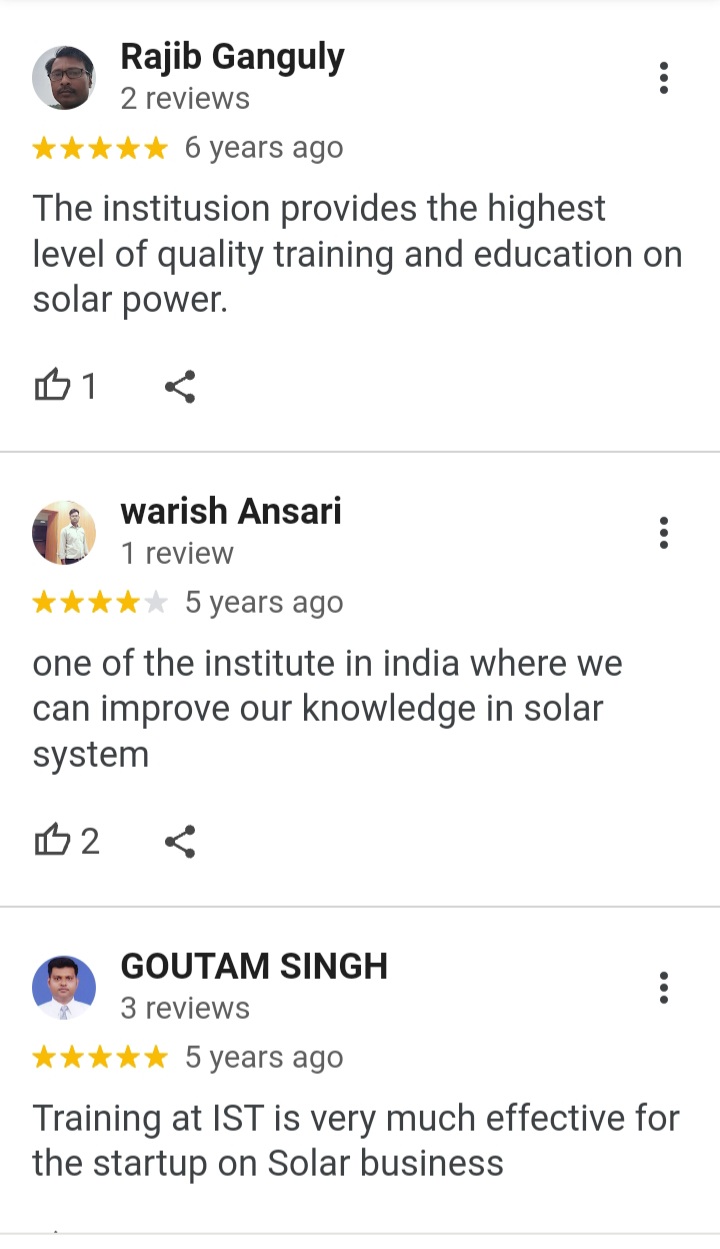
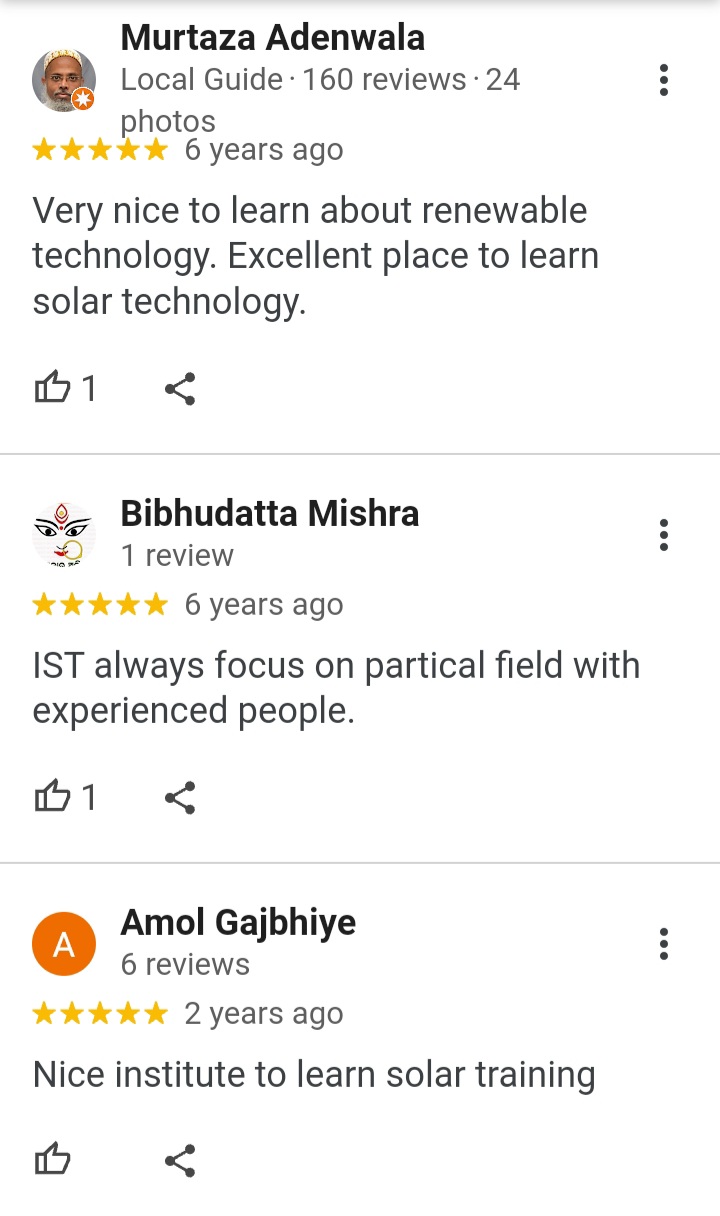
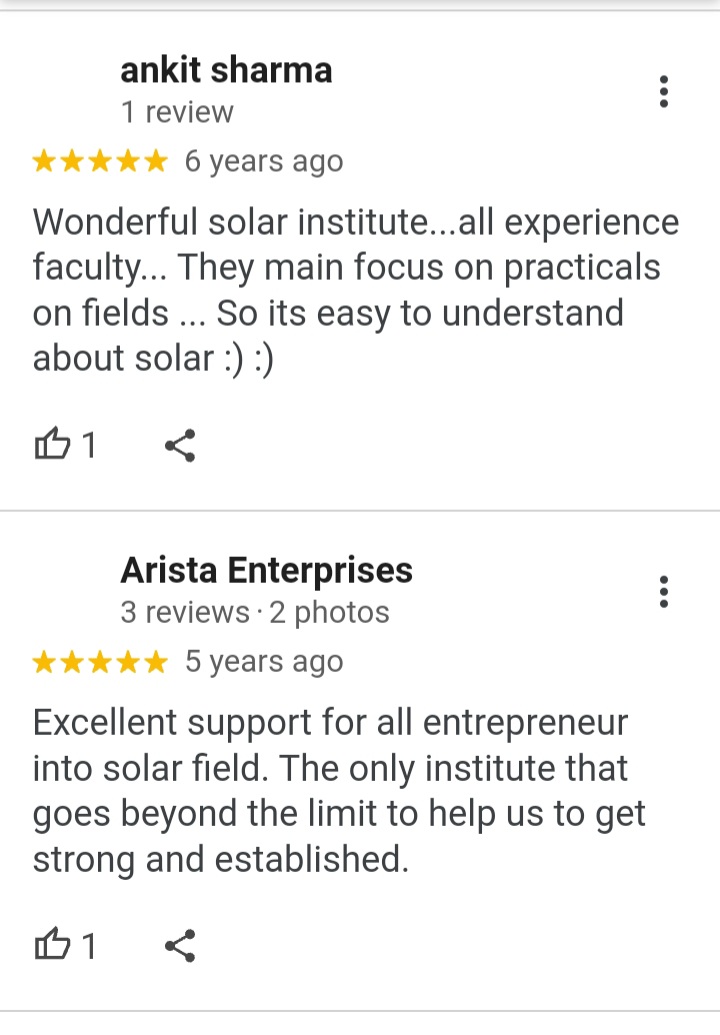
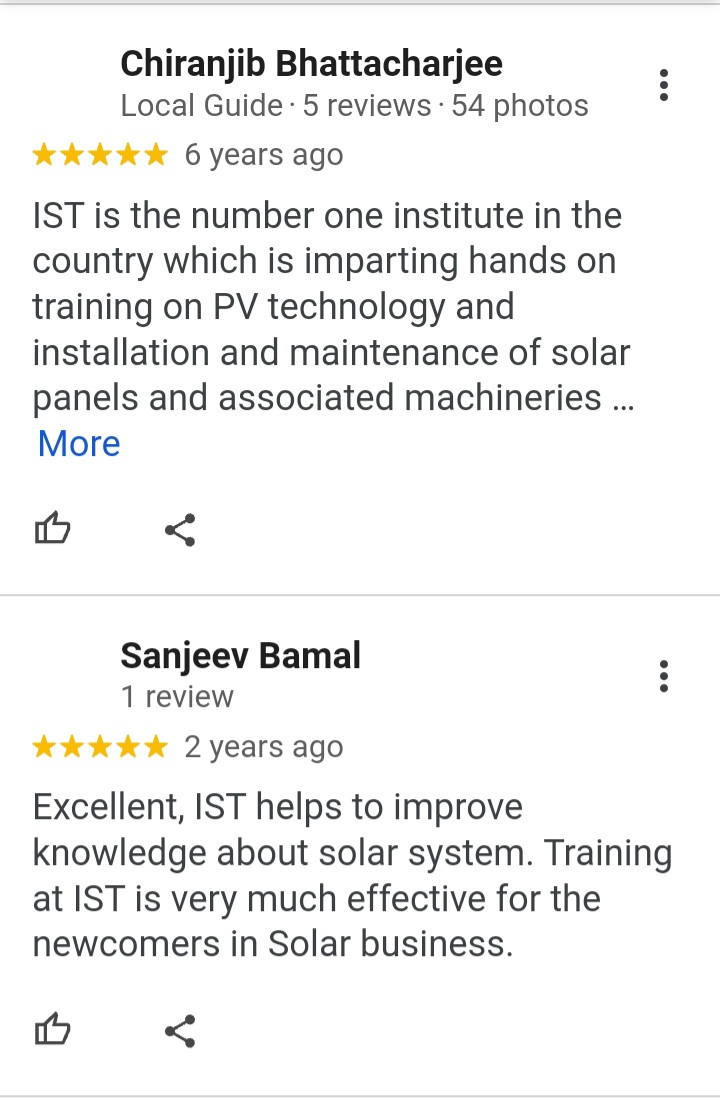
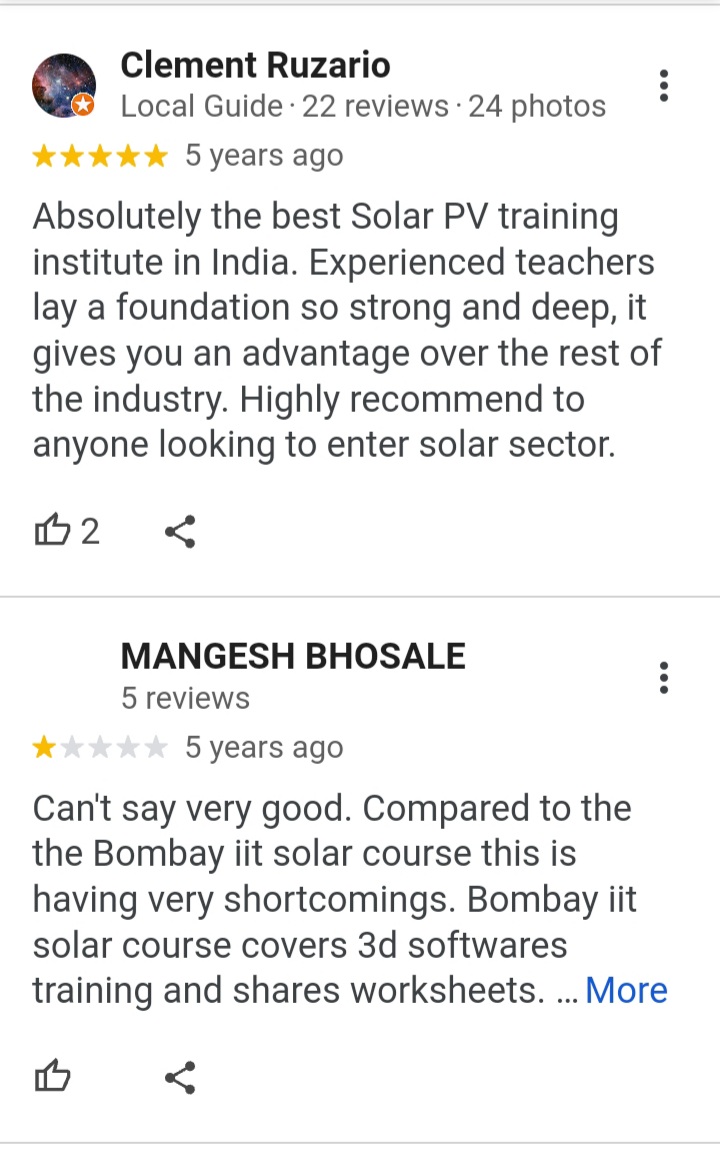
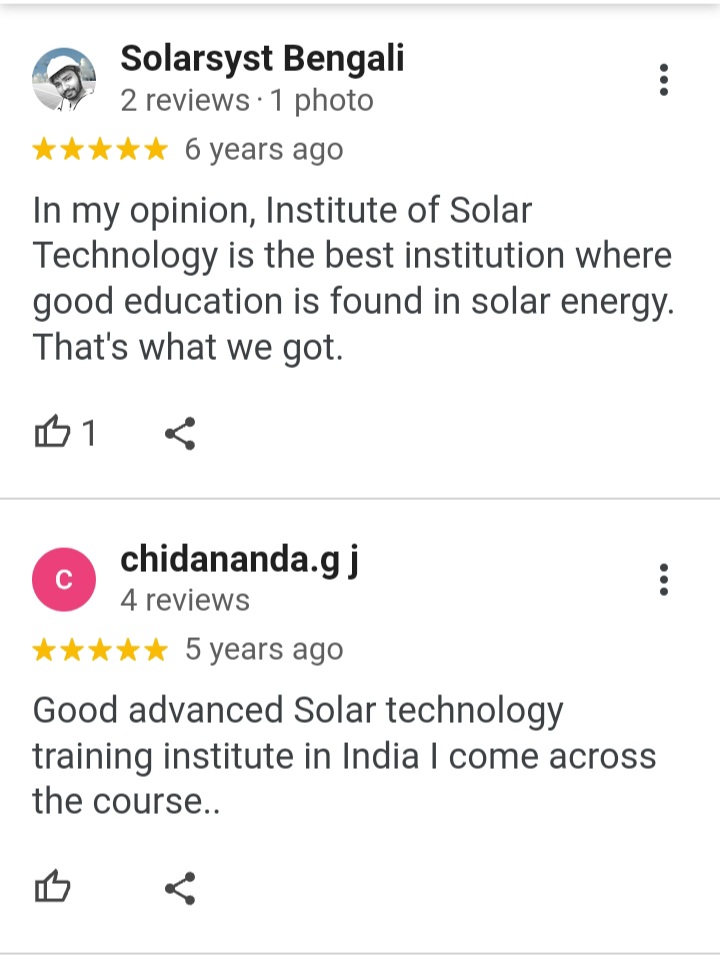
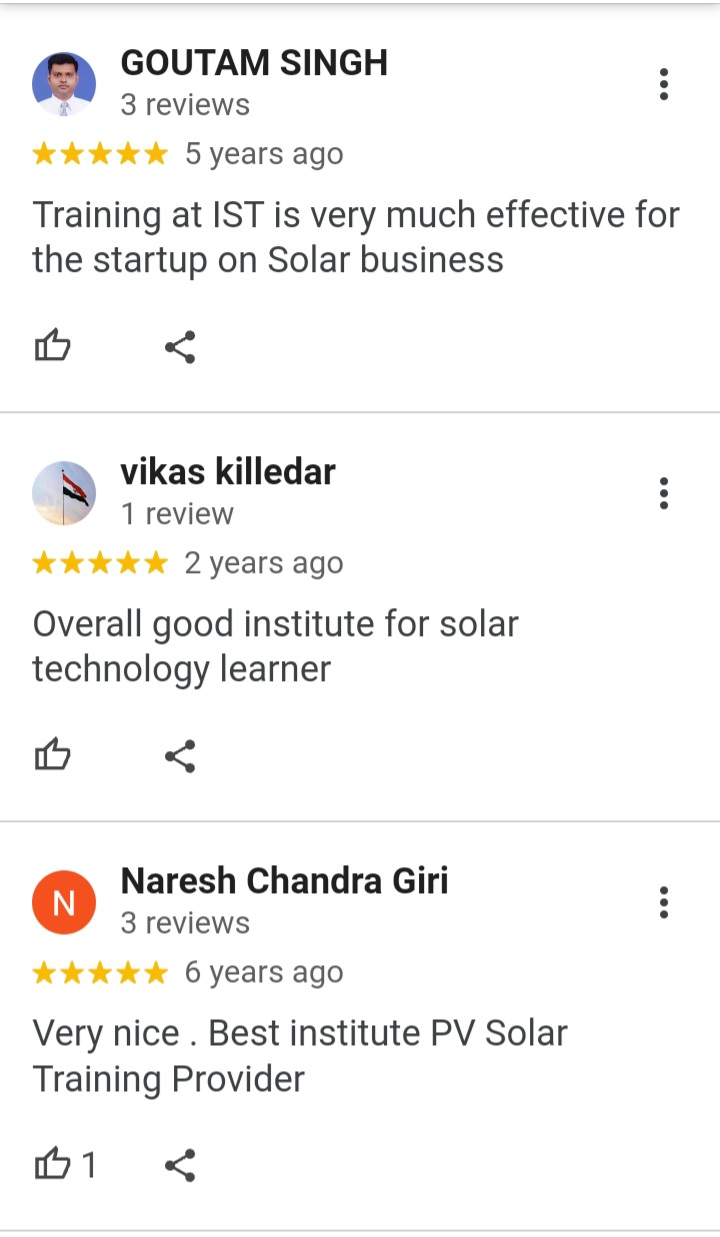
The Institute of Solar Technology (IST) provides practical skill-based training to help students understand EV charging technology, electrical installation, safety standards, and charging station project execution.
Solar Power EV Charging Station Design Course
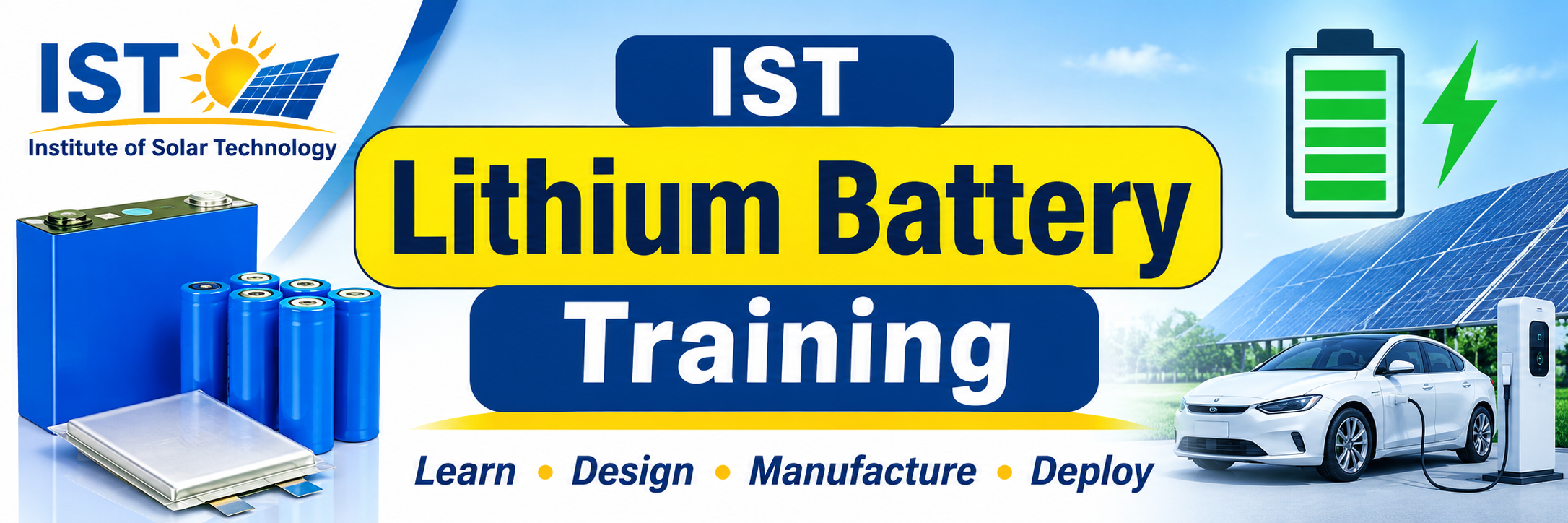
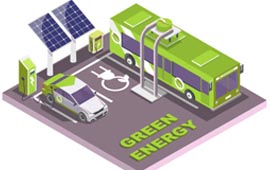 Combo course including Solar PV Technology, Lithium-ion Battery Technology and EV Charging Station Technology
For working professionals, early morning or night class slot available
Solar charging stations for electric vehicles have emerged as one of the best ways to reduce India’s dependence on fossil fuels. Nearly everyone who owns an Electric vehicle will install a solar charging station in their home. Certificate in Solar Power EV Charging Station (Design and Development) Training Program is a master courses that takes an Engineer, designe engineer, installer from site assessment, all the way through power-up and pinpointing.
Admission going on for Dec - 2026
1. What Does an EV Charging Station Installer Do?
An EV charging station installer is a trained professional responsible for installing, testing, commissioning, and maintaining electric vehicle charging equipment.
Major responsibilities include:
Installing AC and DC EV charging stations.
Electrical wiring and cable termination.
Installing distribution boards and protection devices.
Earthing and electrical safety arrangements.
Load calculation and electrical system design.
Testing and commissioning charging equipment.
Troubleshooting charging station problems.
Performing preventive maintenance.
2. Educational Qualifications Required
You can enter the EV charging installation industry through different educational backgrounds.
Suitable candidates include:
ITI Electrician students.
Diploma in Electrical Engineering.
B.Tech Electrical Engineering graduates.
Licensed and experienced electricians.
Solar PV installation technicians.
Renewable energy professionals.
Technical students interested in EV infrastructure.
Basic knowledge of electrical wiring, electrical safety, and power distribution is beneficial.
3. Learn Different Types of EV Charging Stations
Before becoming a professional installer, you should understand different EV charging technologies.
AC Charging Stations
AC chargers supply alternating current to electric vehicles. The vehicle's onboard charger converts AC power into DC for battery charging.
Common applications include residential buildings, offices, commercial complexes, and parking facilities.
DC Fast Charging Stations
DC fast chargers supply DC power directly to the vehicle battery through the vehicle's charging system.
They are commonly used at highways, commercial charging hubs, fleet charging facilities, and public charging stations.
Common EV Charging Connectors
Learn about:
Type 1 connectors.
Type 2 connectors.
CCS2 connectors.
CHAdeMO connectors.
Bharat AC-001.
Bharat DC-001.
Connector compatibility depends on the vehicle and charging equipment.
4. Technical Skills Required for EV Charging Installation
A professional EV charging station installer should develop the following technical skills:
Electrical load calculation.
Single-phase and three-phase electrical systems.
Cable sizing and voltage drop calculation.
MCB, MCCB, RCCB and RCBO selection.
Earthing and electrical protection.
Distribution board installation.
AC and DC charger installation.
Electrical testing and commissioning.
Fault identification and troubleshooting.
EV charging station maintenance.
5. EV Charging Station Installation Process
A professional installation generally involves the following steps:
Step 1: Site Inspection
Inspect the proposed installation location, electrical supply, parking arrangement, cable route, and installation requirements.
Step 2: Electrical Load Assessment
Calculate the required electrical load based on charger capacity, number of charging points, and available supply.
Step 3: Electrical System Design
Prepare the electrical layout, cable sizing, protection-device selection, and earthing arrangement.
Step 4: Charger Mounting
Install the EV charger on a suitable wall, pedestal, or designated mounting structure according to manufacturer instructions.
Step 5: Cable Installation
Install appropriately sized electrical cables, conduits, cable trays, and termination accessories.
Step 6: Protection and Earthing
Install suitable electrical protection, isolation, and earthing arrangements according to applicable standards and equipment requirements.
Step 7: Testing and Commissioning
Verify electrical connections, insulation, earthing, protection devices, charger communication, and operational performance.
Step 8: Final Handover
Prepare commissioning records, installation documentation, and maintenance instructions.
6. Safety Standards and Regulations
EV charging station installation requires compliance with applicable electrical safety requirements and technical standards.
Important references include:
CEA Regulations applicable to electrical installations and safety.
IS 17017 series for electric vehicle conductive charging systems.
IEC 61851 series for electric vehicle conductive charging systems.
IEC 62196 series for plugs, socket outlets, and vehicle connectors.
Applicable state electrical inspectorate requirements.
Manufacturer installation and commissioning guidelines.
Installations must be completed by appropriately qualified personnel and comply with applicable statutory requirements.
7. Career Opportunities After EV Charging Training
After developing practical EV charging installation skills, you can explore career opportunities such as:
EV Charging Station Installer.
EV Charger Installation Technician.
EV Infrastructure Technician.
EV Charging Station Maintenance Technician.
Electrical Site Supervisor.
EV Charging Project Technician.
EV Charging Business Entrepreneur.
Solar and EV Charging System Integrator.
You can work with EV charging equipment manufacturers, electrical contractors, infrastructure companies, renewable energy companies, and EV charging service providers.
8. Start Your Own EV Charging Installation Business
After gaining technical experience and understanding local regulations, you can explore starting your own EV charging installation business.
Potential services include:
Home EV charger installation.
Commercial EV charger installation.
Apartment charging infrastructure.
Office and shopping mall charging solutions.
Highway EV charging projects.
EV charger maintenance and servicing.
Solar-powered EV charging solutions.
Business success depends on technical competency, safety compliance, customer service, project execution, and industry partnerships.
9. Why Choose Institute of Solar Technology (IST)?
The Institute of Solar Technology (IST) focuses on practical technical education in solar energy, renewable energy, and emerging electrical technologies.
Training in EV charging infrastructure can help students understand the practical requirements of EV charger installation and develop industry-oriented technical skills.
Students interested in EV charging technology can explore training covering:
EV charging fundamentals.
AC and DC charging systems.
Electrical installation practices.
Cable sizing and load calculation.
Protection devices and earthing.
EV charger installation procedures.
Testing and commissioning.
Maintenance and troubleshooting.
Solar-powered EV charging systems.
Contact the Institute of Solar Technology (IST) for current course availability, training schedules, and practical training details.
10. Conclusion
Becoming an EV charging station installer can be a promising career choice as India's electric mobility and charging infrastructure continue to develop.
With the right electrical knowledge, practical training, safety awareness, and installation experience, you can build a career in EV charging infrastructure or start your own installation business.
Start learning EV charging technology with the Institute of Solar Technology (IST) and prepare yourself for opportunities in the growing electric vehicle industry.
Institute of Solar Technology (IST) – Building Skills for the Renewable Energy and EV Industry.