Renewable energy is one of the fastest-growing sectors in the world, creating exciting career opportunities for engineering graduates. An M.Tech in Renewable Energy from an Indian Institute of Technology (IIT) can help students develop advanced technical knowledge, research skills, and practical expertise in sustainable energy technologies.
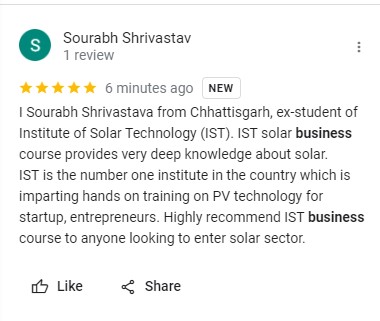
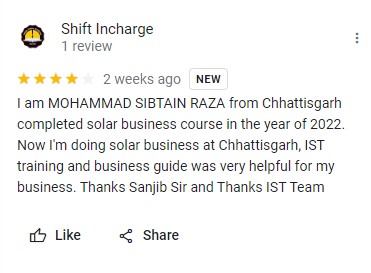
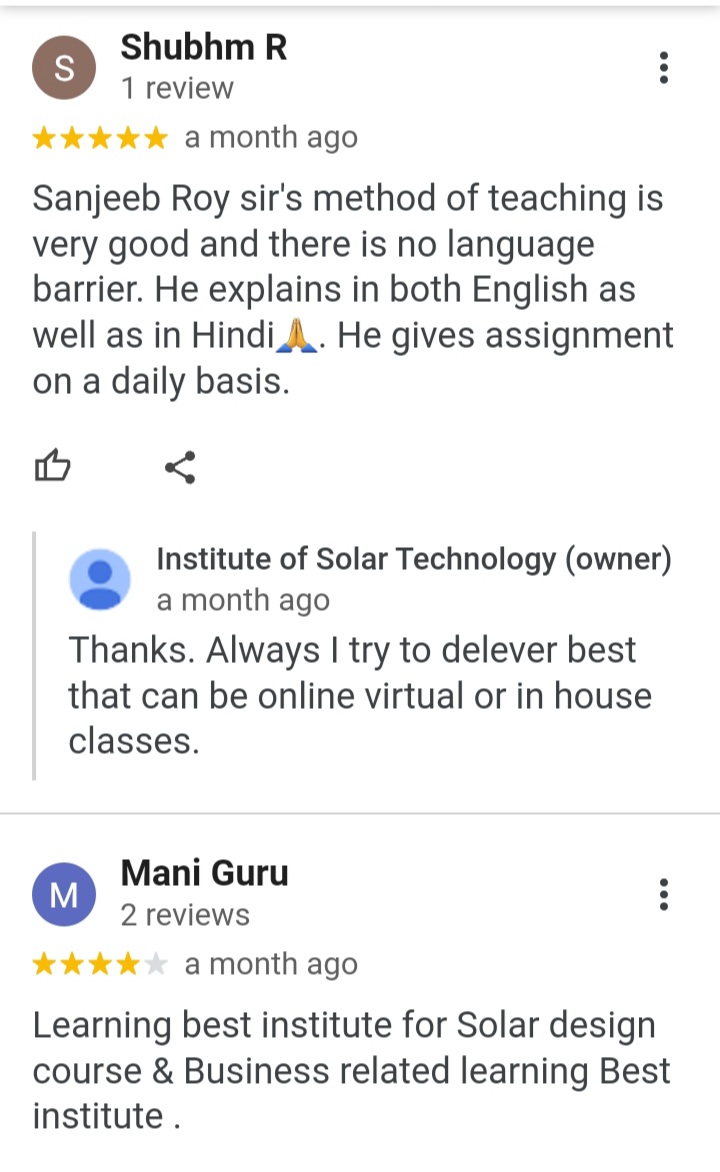
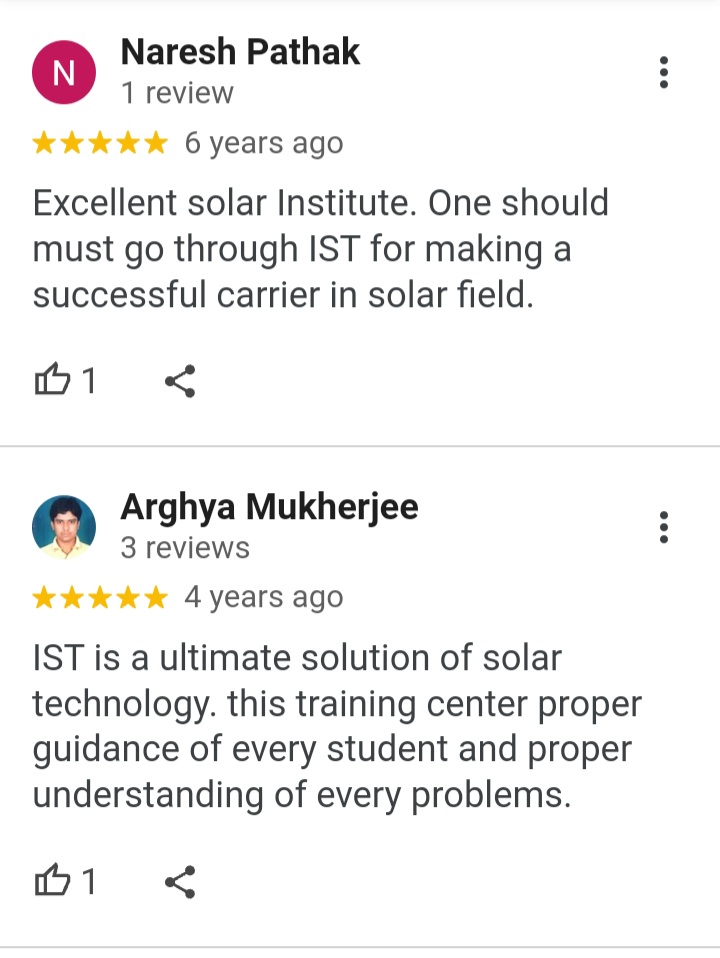
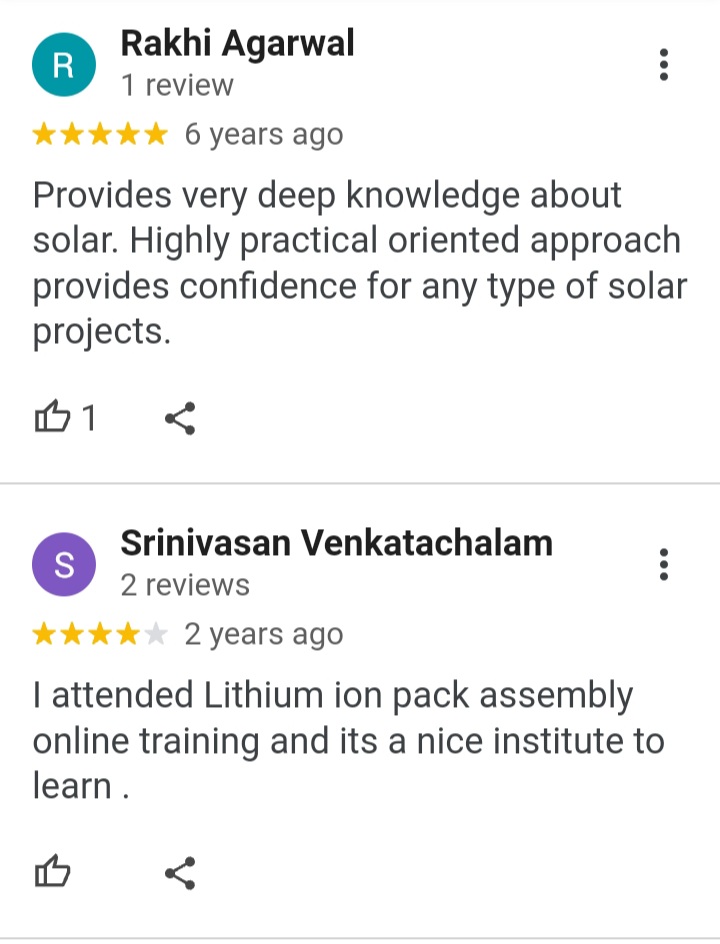
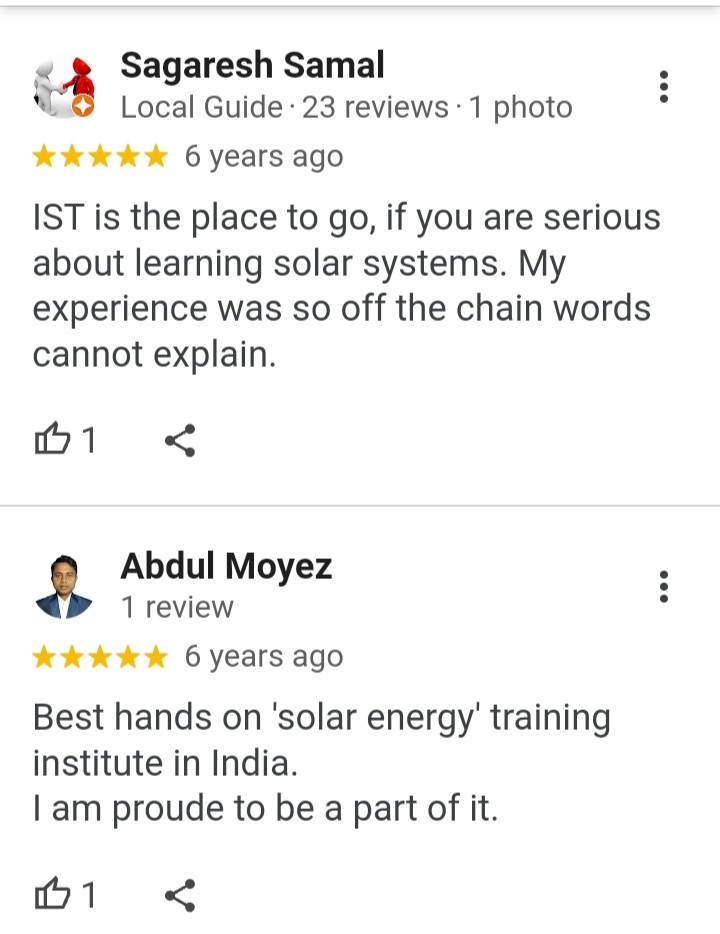
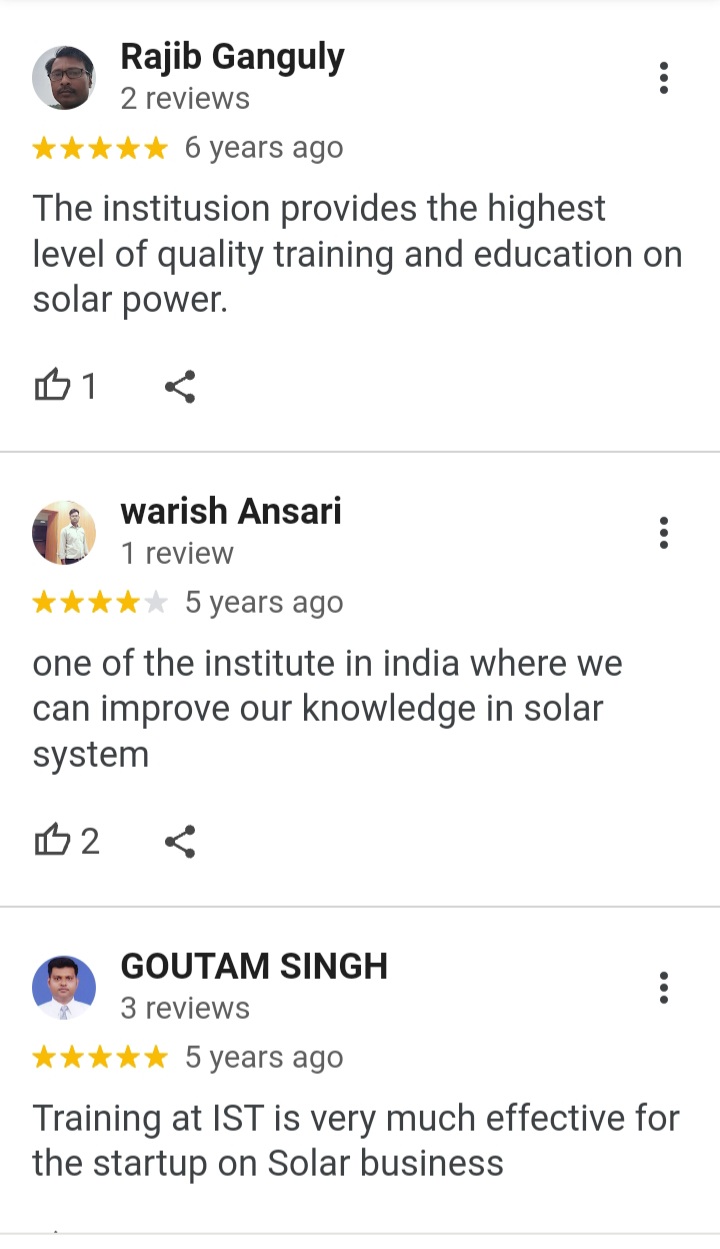
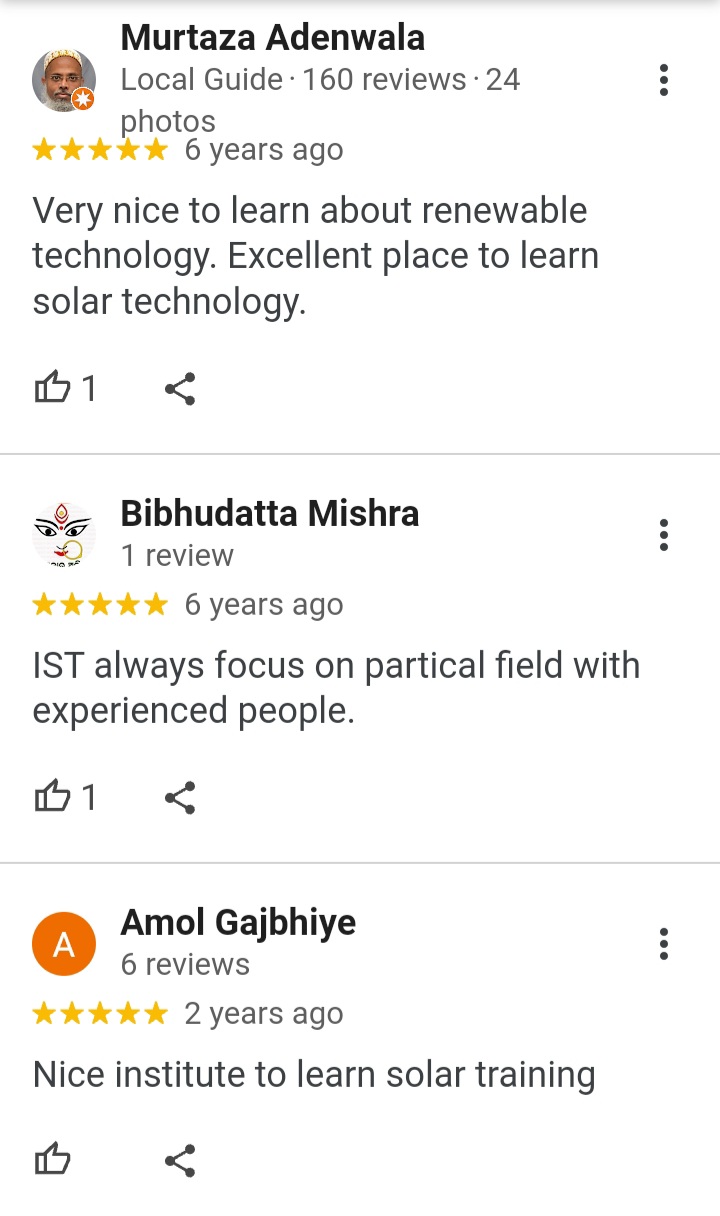
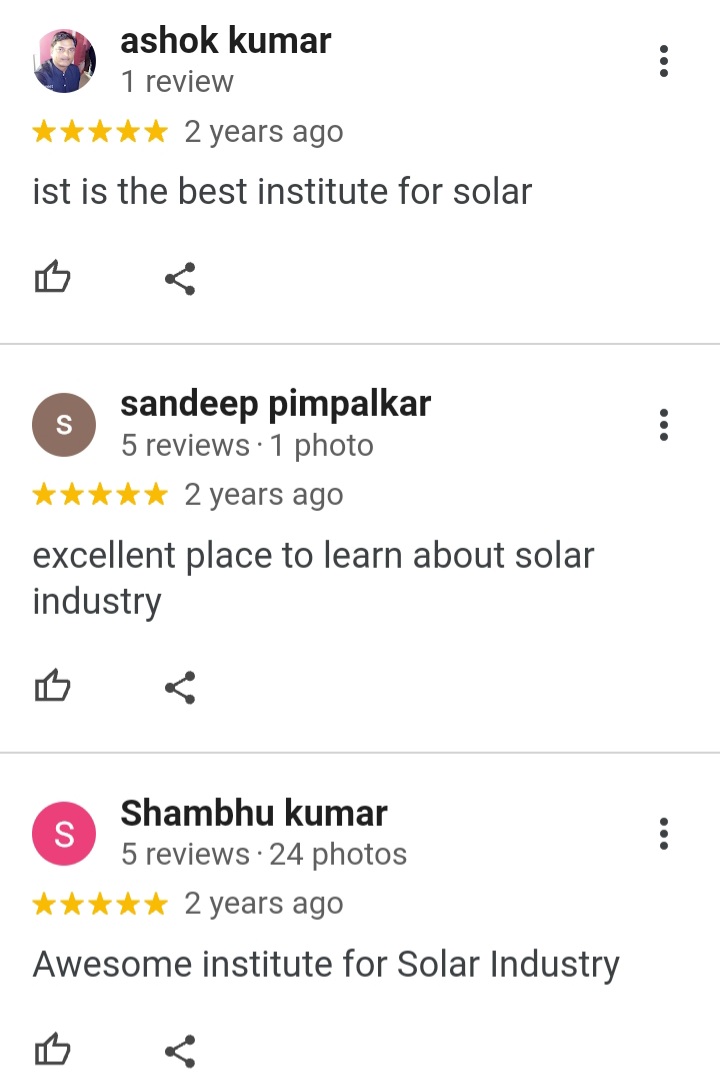
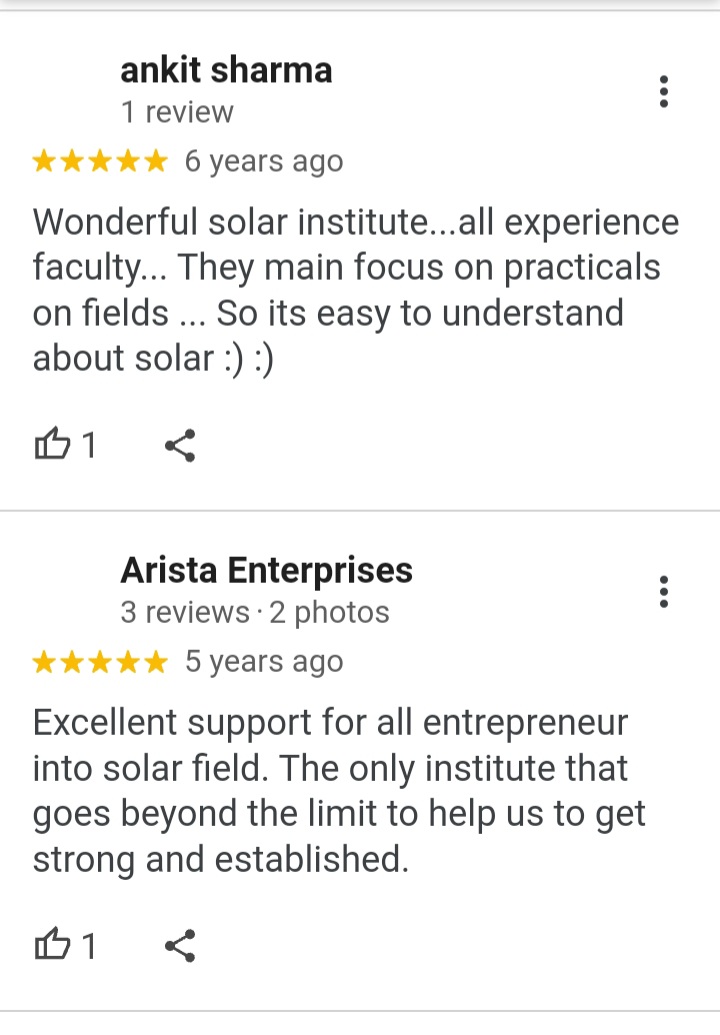
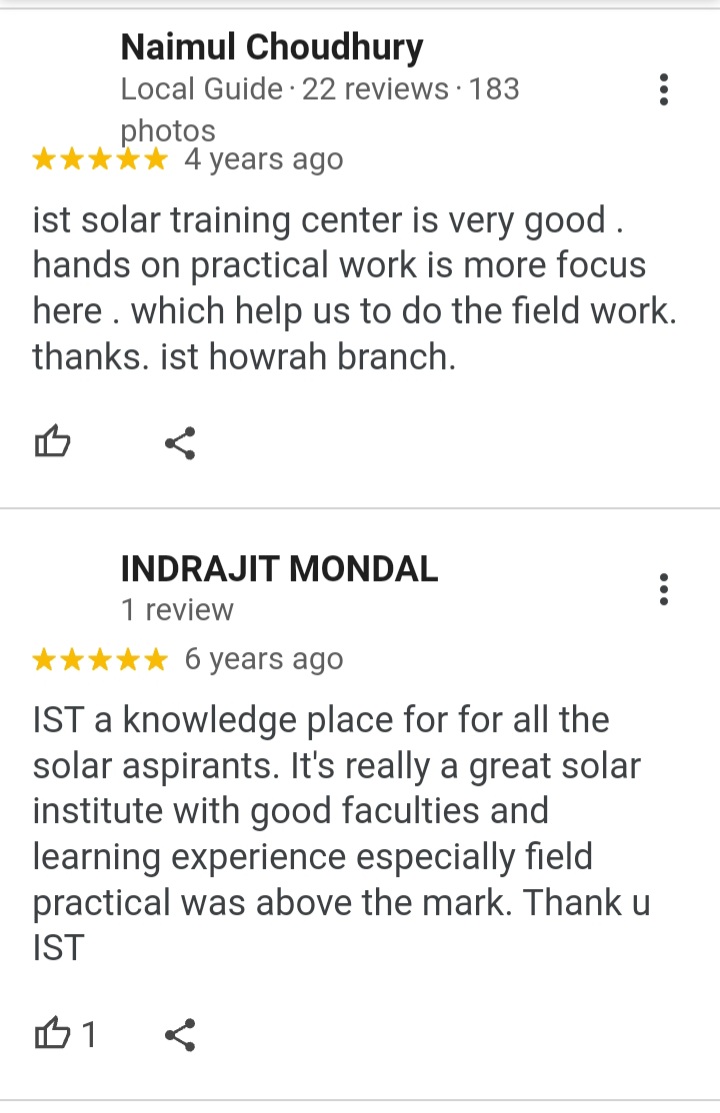
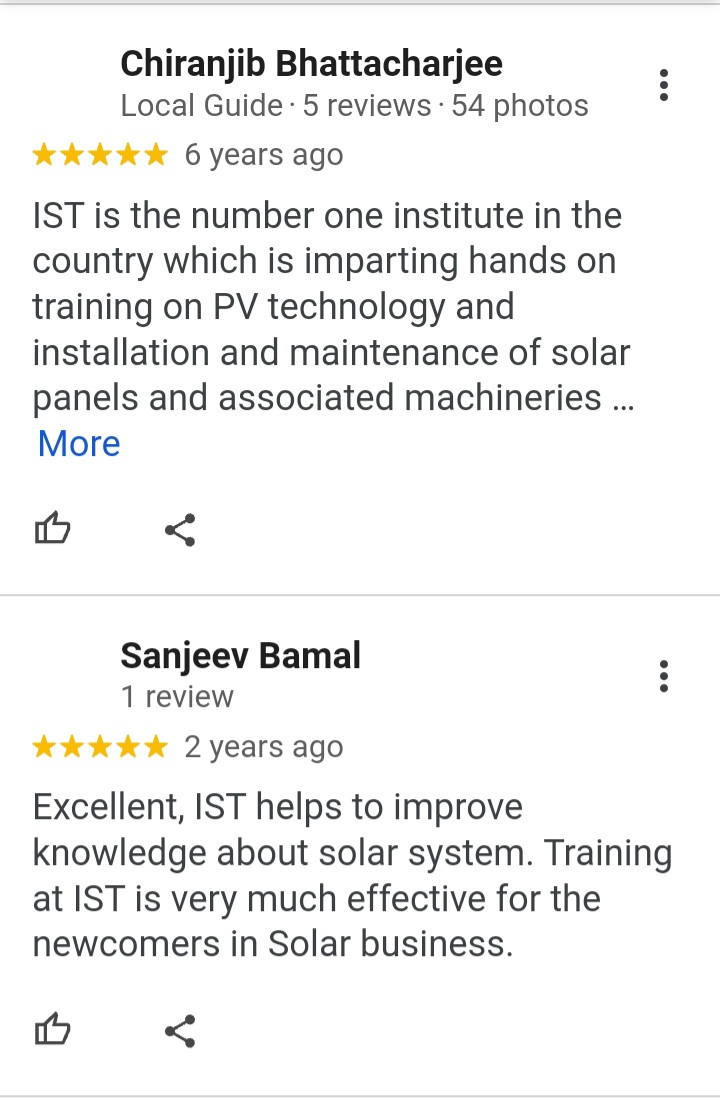
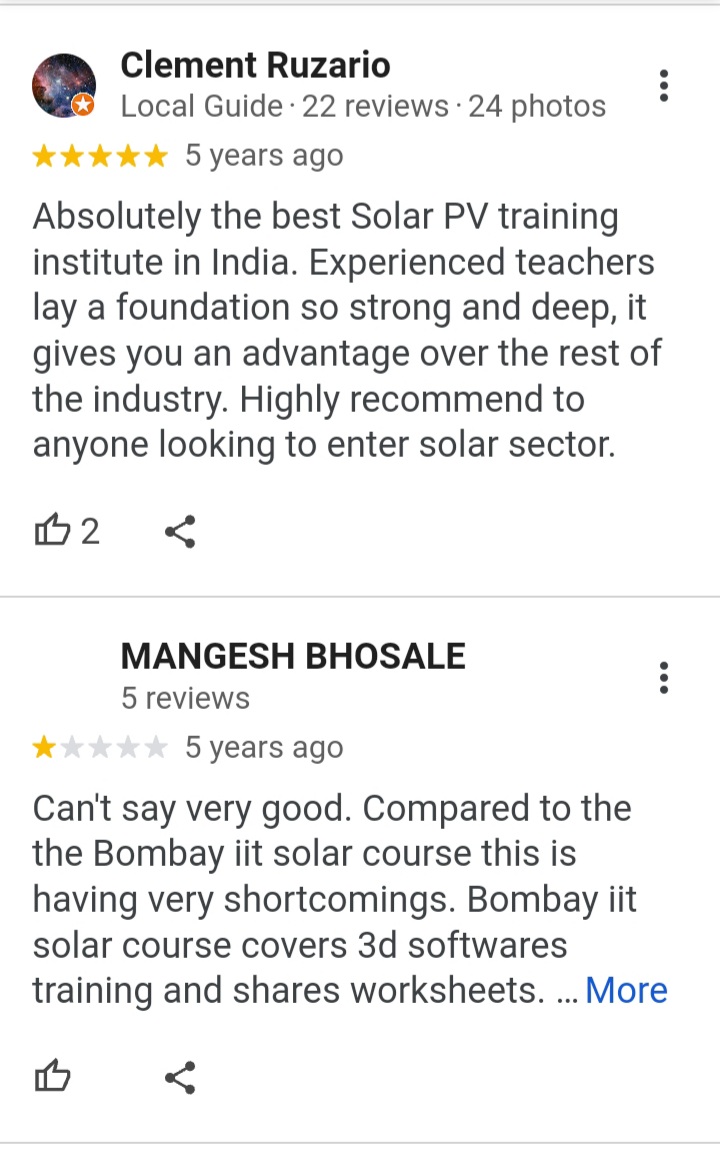
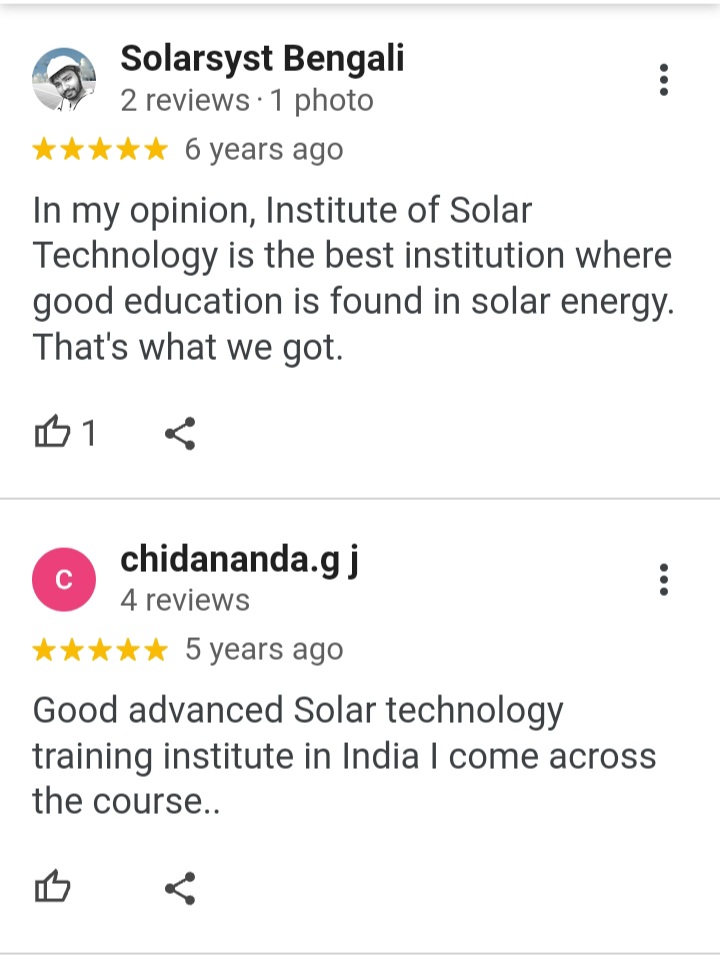
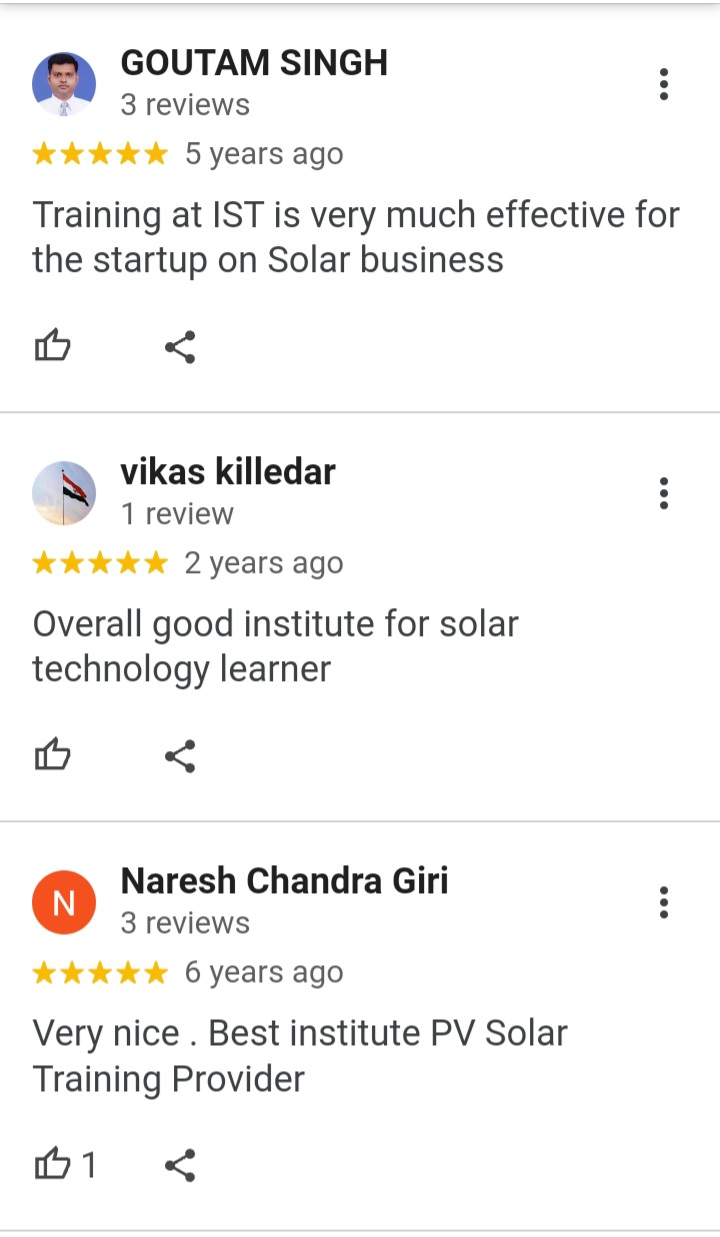
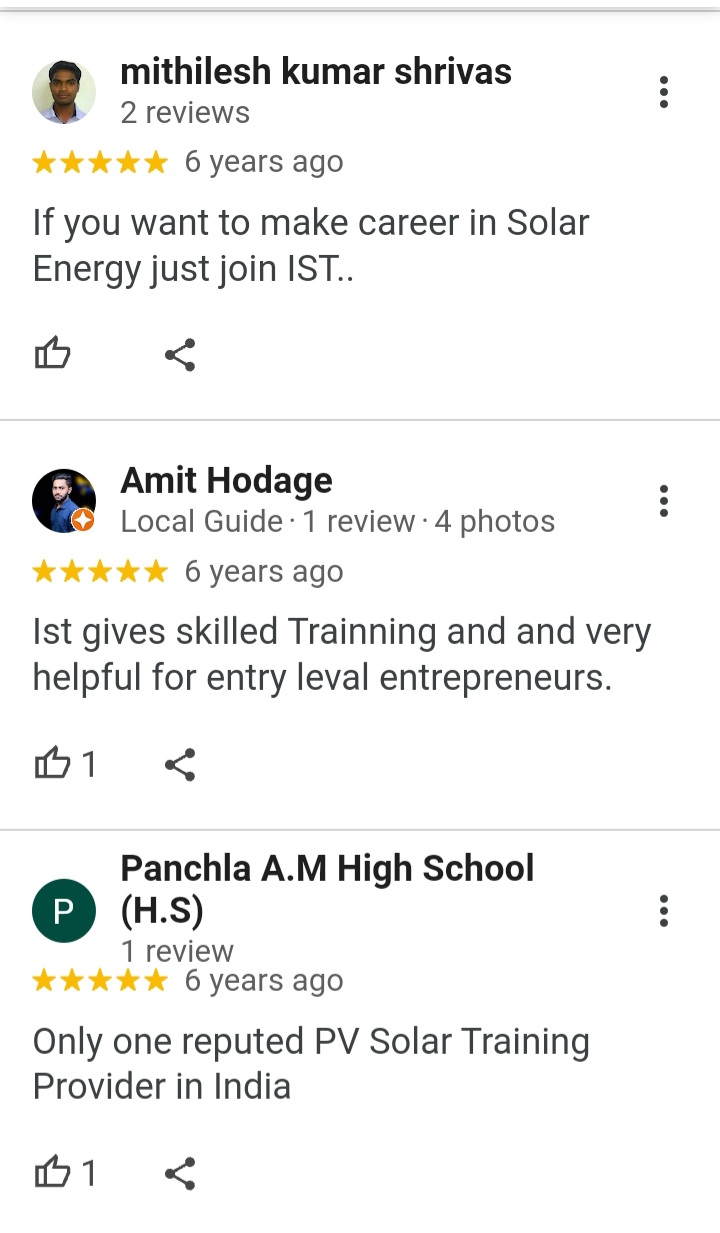
The Institute of Solar Technology (IST) provides solar energy and renewable energy training to students, engineering graduates, technicians, and working professionals who want to build careers in the renewable energy industry.
Solar Power EV Charging Station Design Course
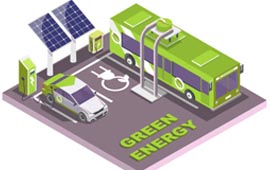 Combo course including Solar PV Technology, Lithium-ion Battery Technology and EV Charging Station Technology
For working professionals, early morning or night class slot available
Solar charging stations for electric vehicles have emerged as one of the best ways to reduce India’s dependence on fossil fuels. Nearly everyone who owns an Electric vehicle will install a solar charging station in their home. Certificate in Solar Power EV Charging Station (Design and Development) Training Program is a master courses that takes an Engineer, designe engineer, installer from site assessment, all the way through power-up and pinpointing.
Admission going on for Dec - 2026
What Is M.Tech in Renewable Energy?
M.Tech in Renewable Energy is a postgraduate engineering programme focused on clean energy technologies, sustainable power generation, energy conversion, storage systems, and renewable energy project development.
Students learn about different renewable energy sources, including solar energy, wind energy, biomass energy, hydropower, and other emerging technologies.
The programme combines theoretical knowledge, laboratory experiments, research projects, and practical engineering applications.
Why Choose IIT for M.Tech in Renewable Energy?
Indian Institutes of Technology are recognised for their engineering education, advanced research facilities, and technical expertise.
Studying renewable energy at an IIT can offer students opportunities to:
Learn advanced renewable energy technologies.
Develop solar and wind energy engineering knowledge.
Work on research and innovation projects.
Understand energy storage and battery technologies.
Study smart grids and power electronics.
Explore sustainable energy solutions.
Prepare for research, higher education, and industry careers.
Important Subjects Covered in Renewable Energy
An M.Tech-level renewable energy curriculum may include the following subjects, depending on the IIT and programme structure:
Solar Photovoltaic Technology
Solar Thermal Energy Systems
Wind Energy Conversion Systems
Renewable Energy System Design
Battery Energy Storage Systems
Power Electronics and Inverters
Smart Grid Technology
Hydrogen Energy Technology
Biomass and Bioenergy
Energy Management and Auditing
Renewable Energy Project Development
Energy Economics and Policy
Career Opportunities After M.Tech in Renewable Energy
After completing an M.Tech in Renewable Energy, graduates can explore career opportunities in:
Solar Power Plant Engineering
Renewable Energy Project Management
Solar PV System Design
Wind Energy Engineering
Battery Energy Storage Systems
Research and Development
Energy Consultancy
Renewable Energy System Operations
Technical Teaching and Academic Research
Practical Solar Training at Institute of Solar Technology (IST)
Academic qualifications provide a strong technical foundation, while practical training helps students understand real-world renewable energy applications.
The Institute of Solar Technology (IST) focuses on practical solar energy education and industry-oriented technical training.
Our training areas include:
Solar PV System Design and Installation
On-Grid Solar Power Systems
Off-Grid Solar Power Systems
Hybrid Solar Power Systems
Solar Panel Testing
Solar Inverter Technology
Solar Battery Technology
Solar Water Heater Manufacturing and Installation
Solar Power Plant Operation and Maintenance
Solar Project Planning and Execution
Eligibility for M.Tech in Renewable Energy
Eligibility requirements vary between IITs and individual postgraduate programmes. Generally, applicants need:
A recognised bachelor's degree in engineering or technology, or an eligible related qualification.
A qualifying academic record as specified by the institute.
GATE qualification where required by the admission process.
Fulfilment of the specific IIT department's admission criteria.
Students should check the official IIT admission brochure for the latest eligibility requirements, entrance examinations, and selection procedures.
Conclusion
Renewable energy offers excellent opportunities for students interested in sustainable engineering, clean power generation, and advanced energy technologies. An M.Tech in Renewable Energy from an IIT can provide a strong foundation for technical careers, research, and innovation.
The Institute of Solar Technology (IST) supports aspiring renewable energy professionals through practical solar training and industry-oriented technical education.
Build your future in solar energy and renewable technology with practical knowledge and professional skills.