India's solar energy industry is growing rapidly, creating excellent business opportunities for entrepreneurs, investors, engineering professionals, and renewable energy companies. With increasing electricity demand, government support, rising power tariffs, and growing awareness of clean energy, starting a solar energy business in India can be a profitable long-term opportunity.
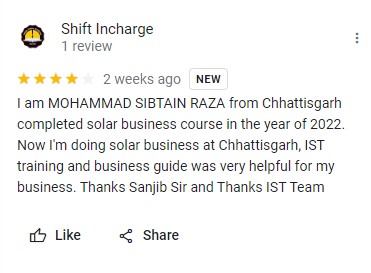
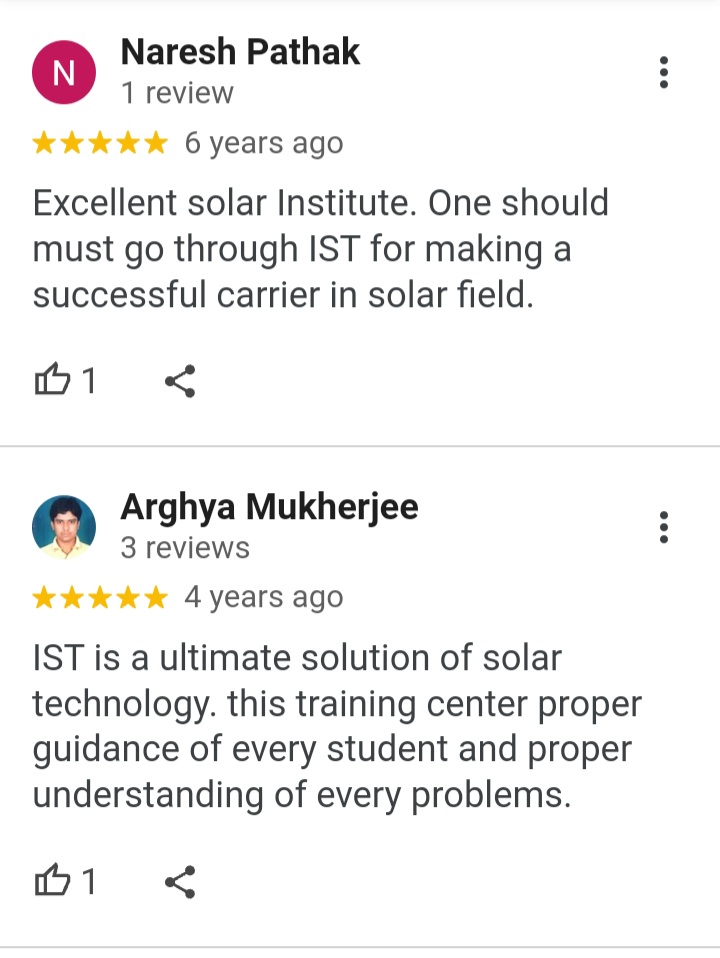
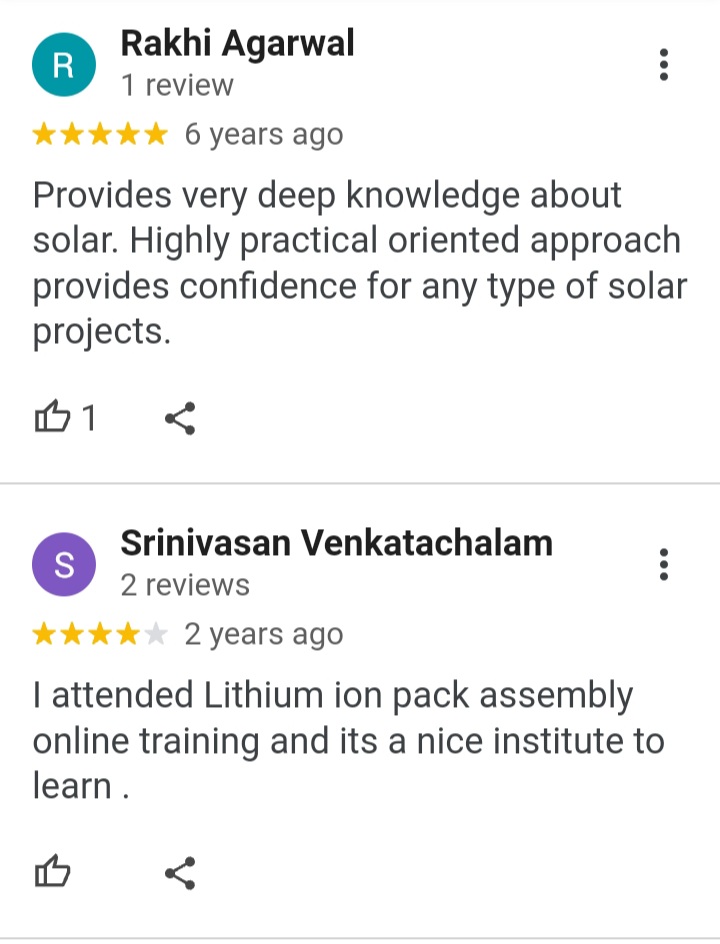
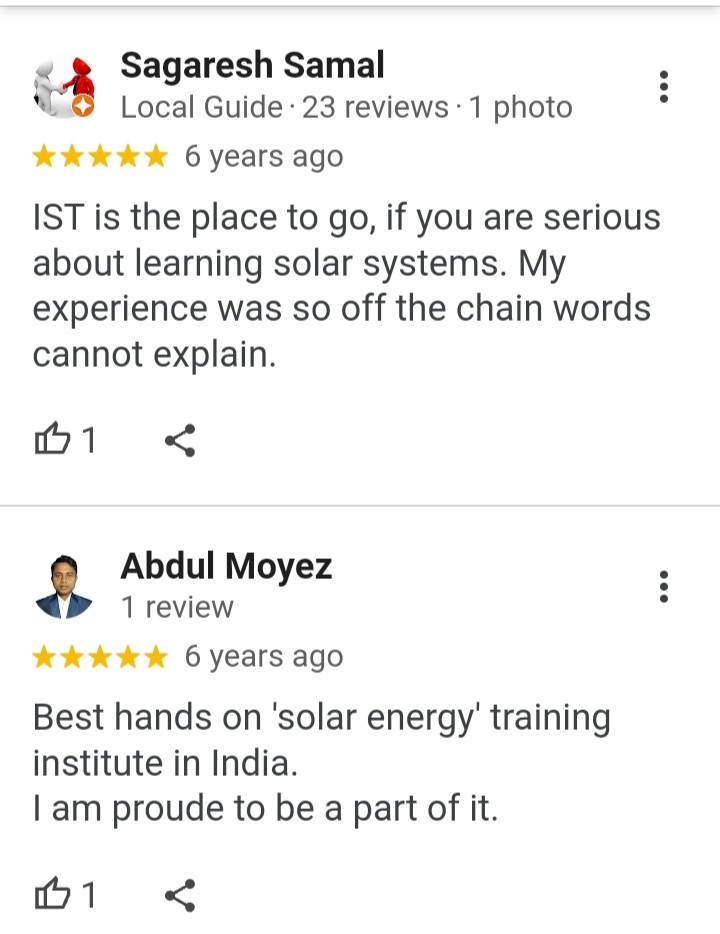
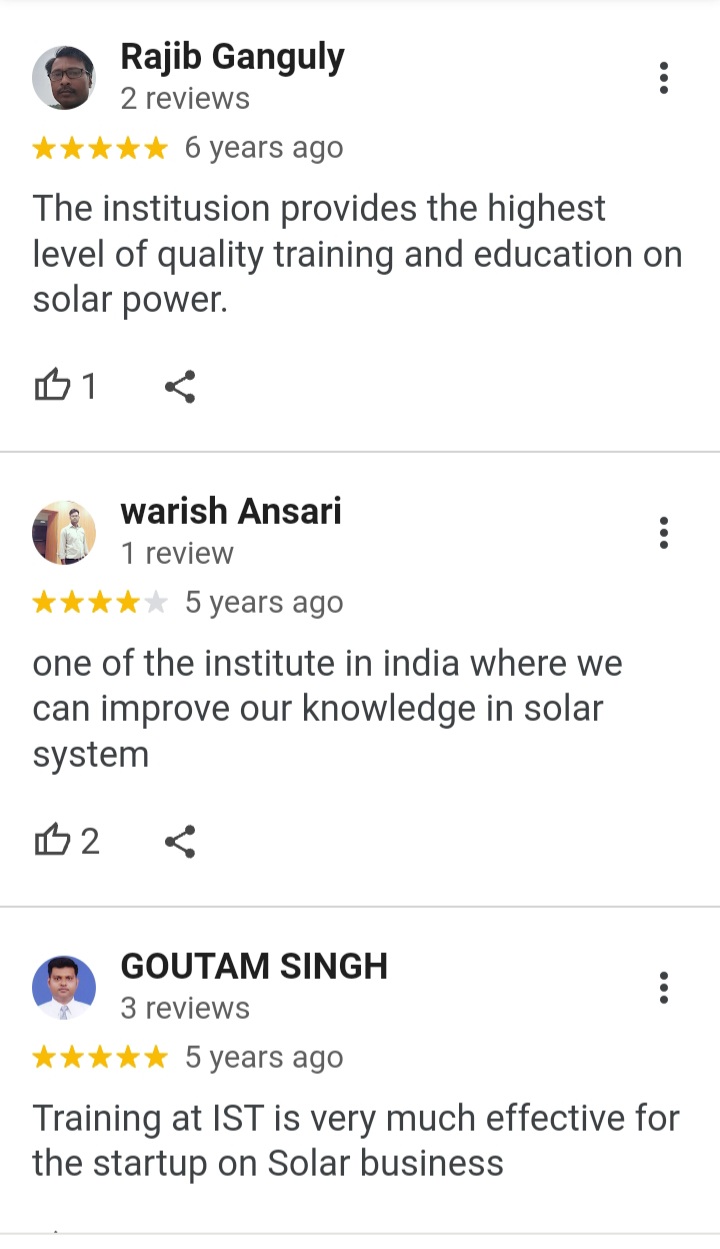
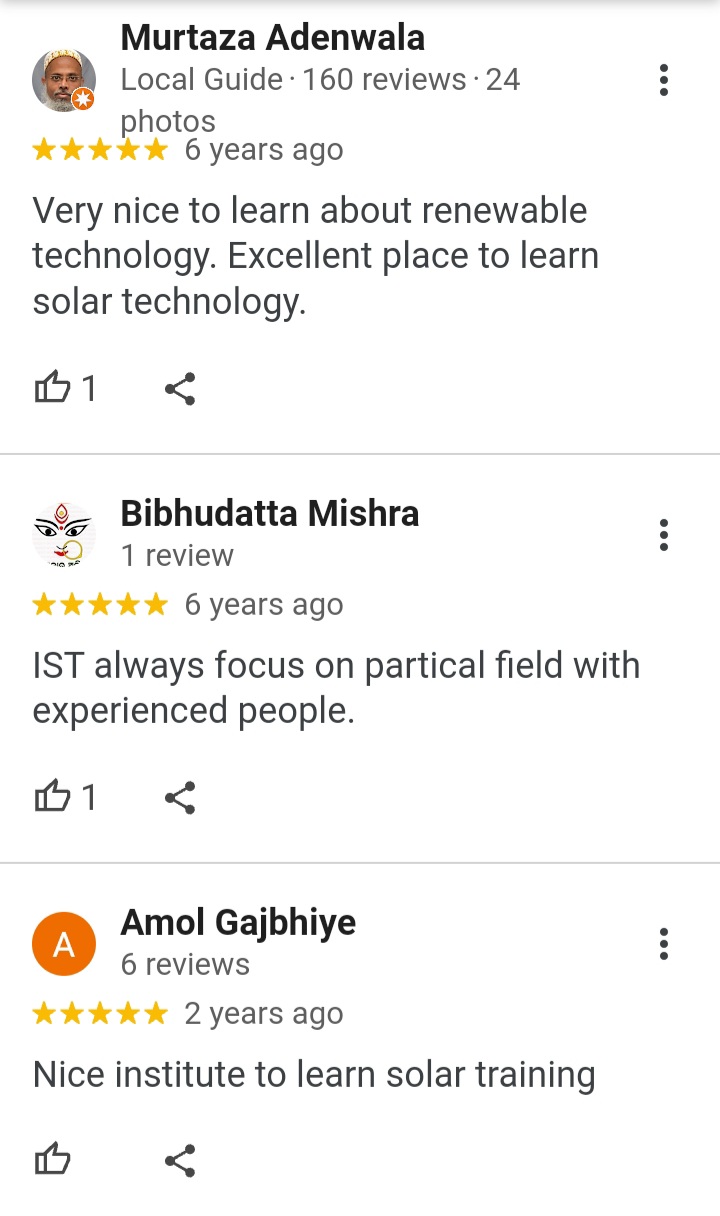
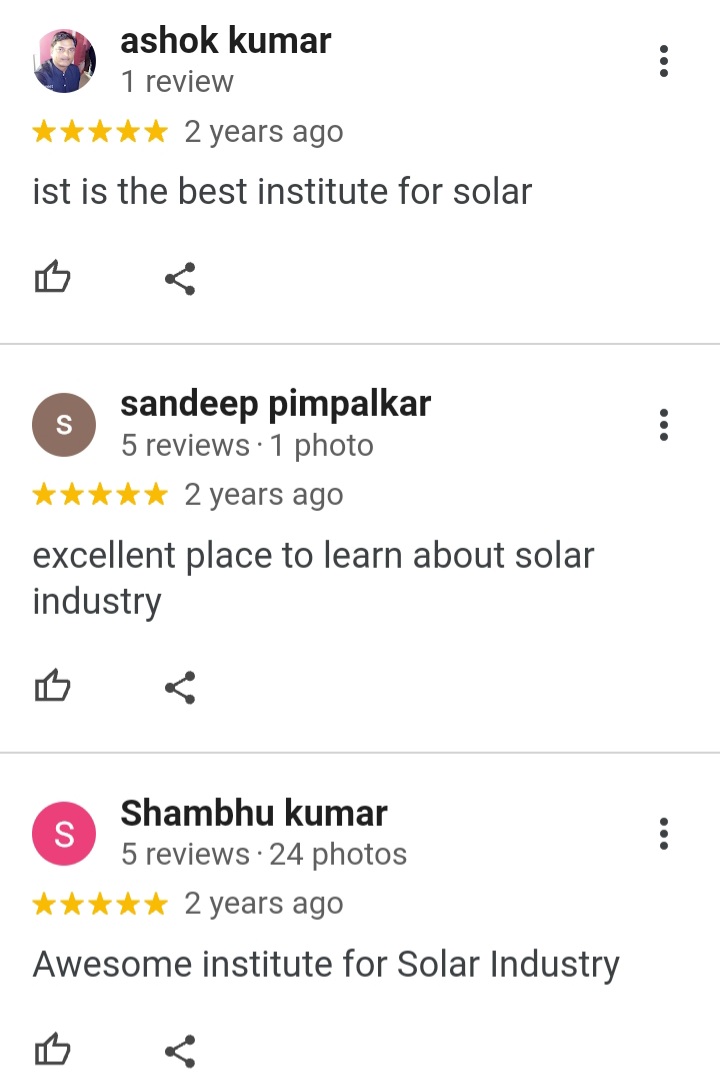
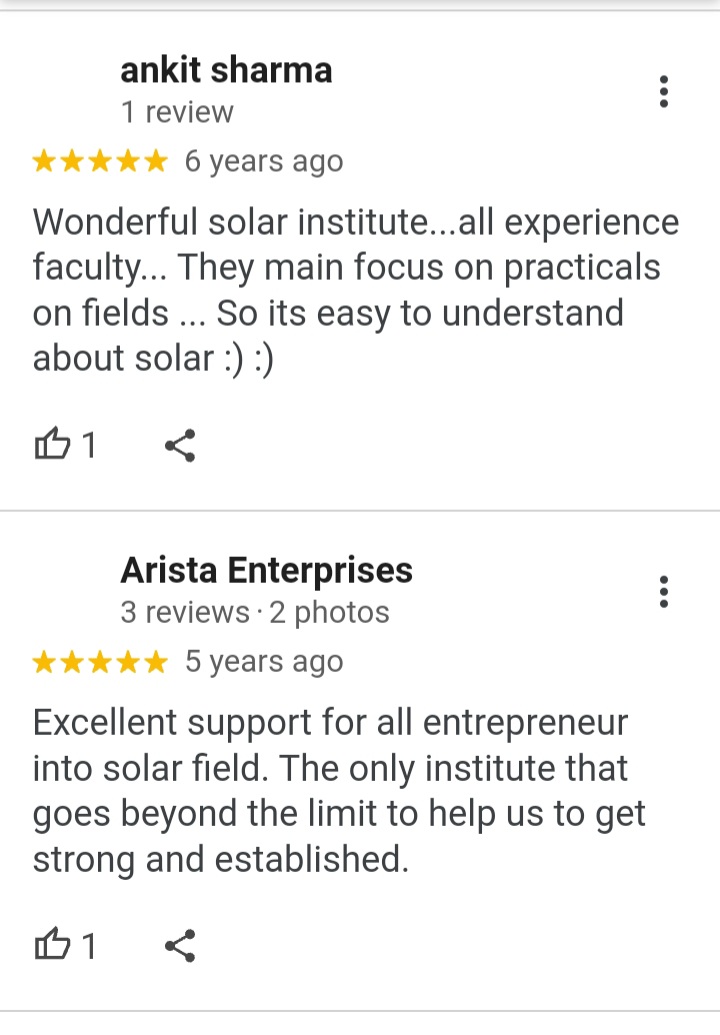
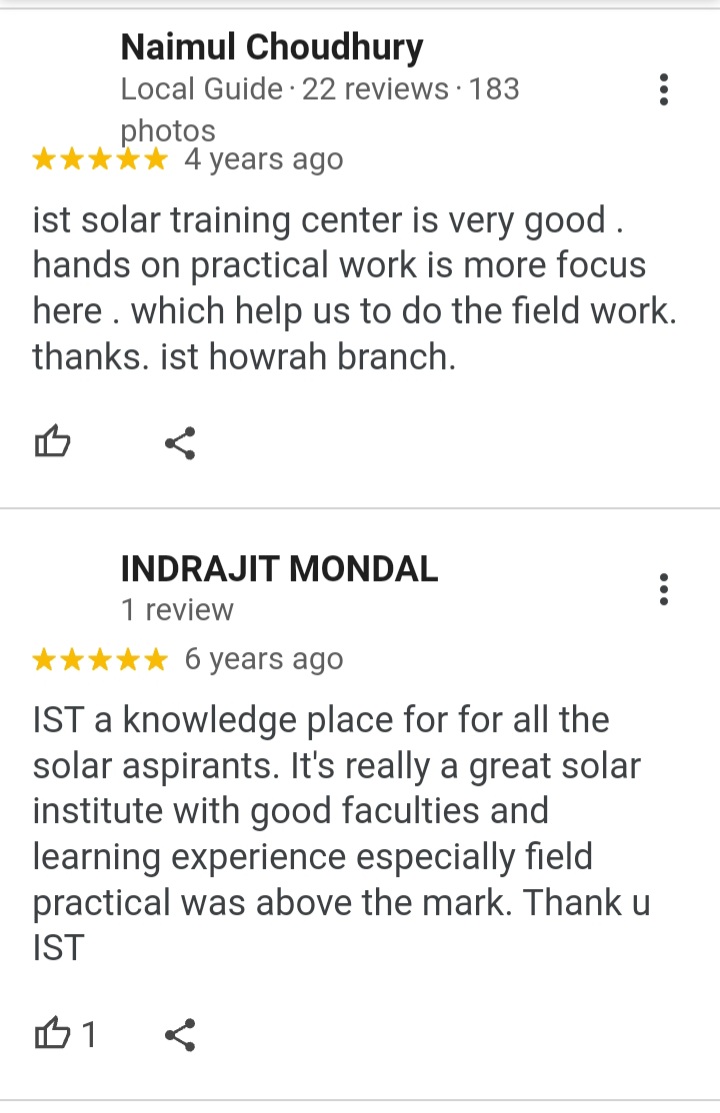
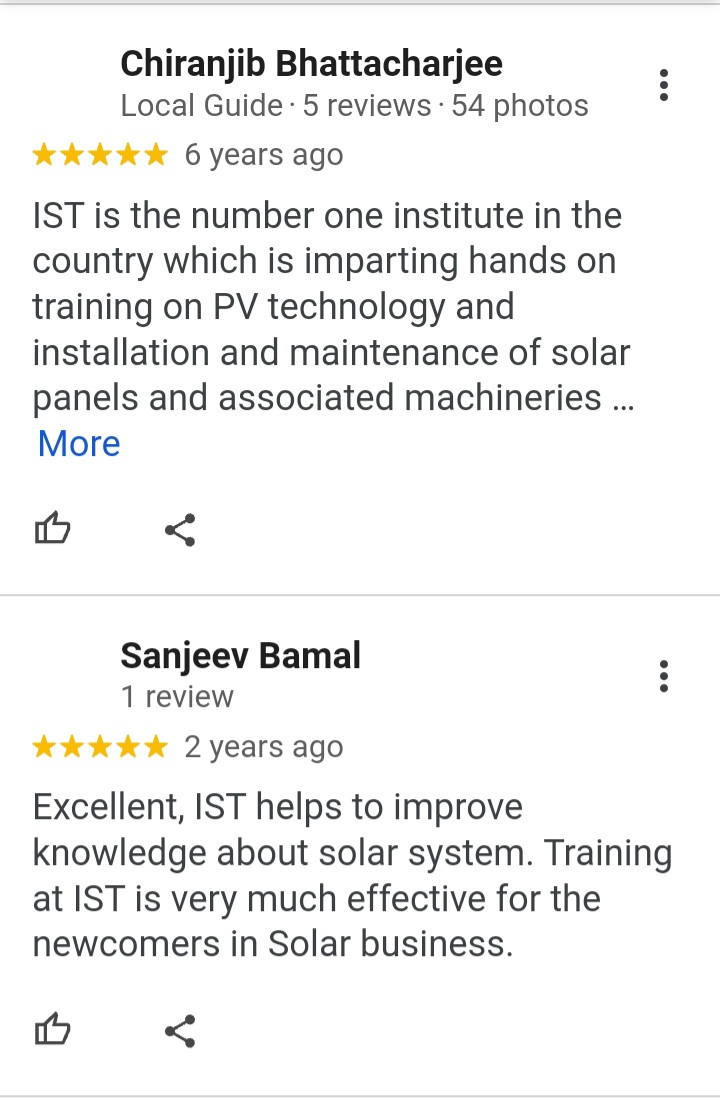
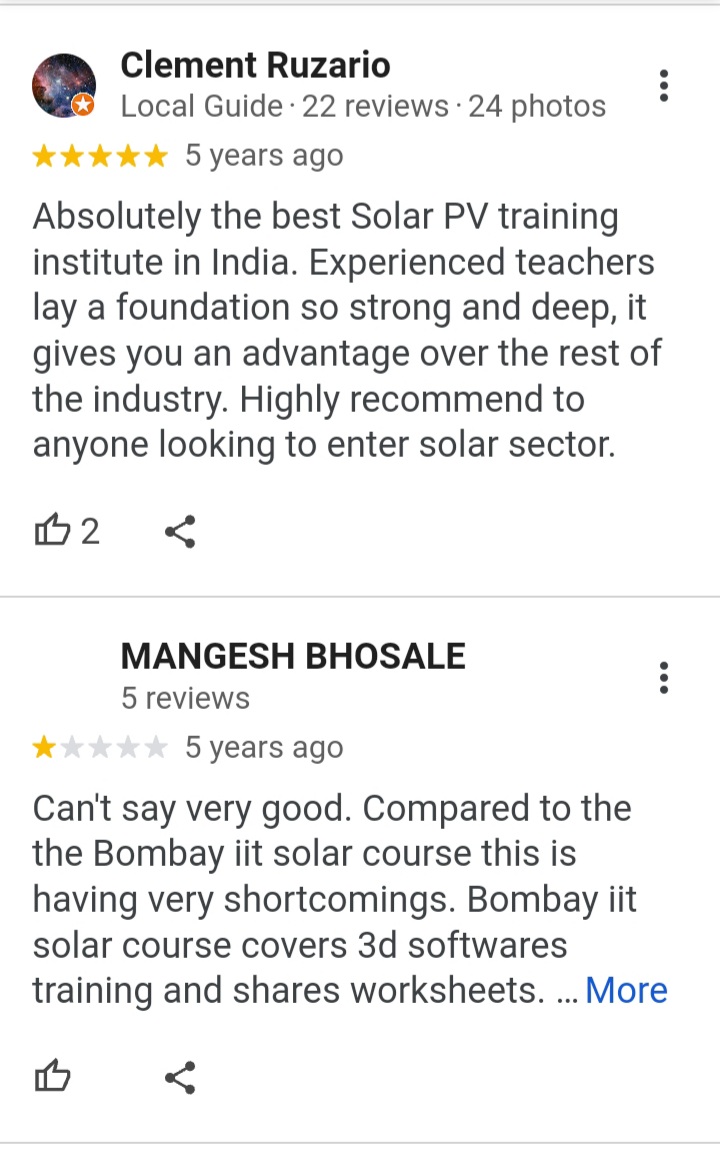
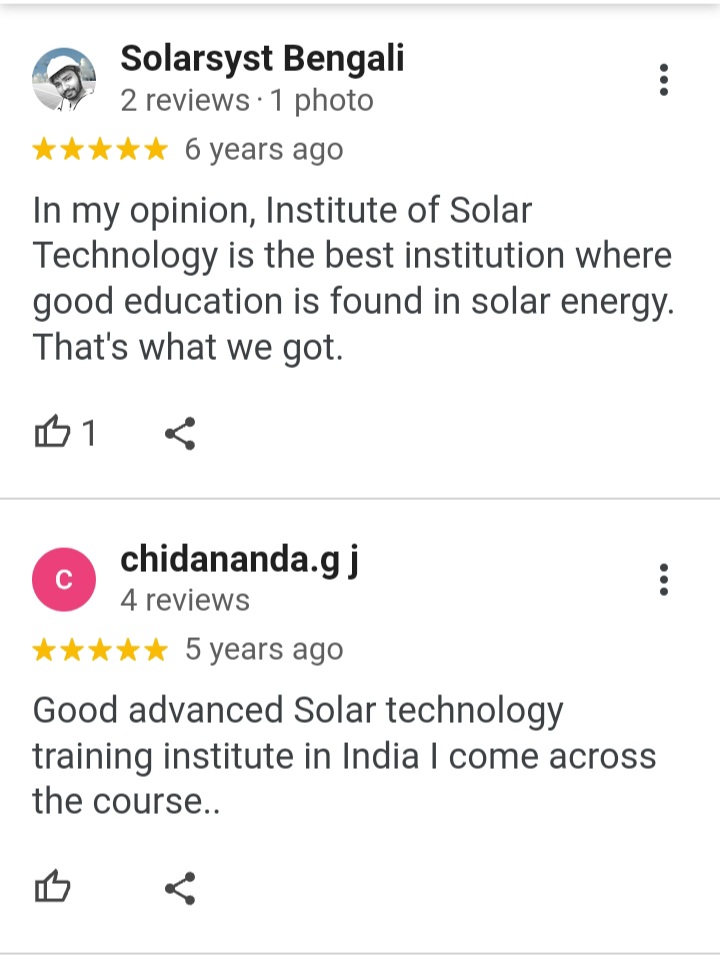
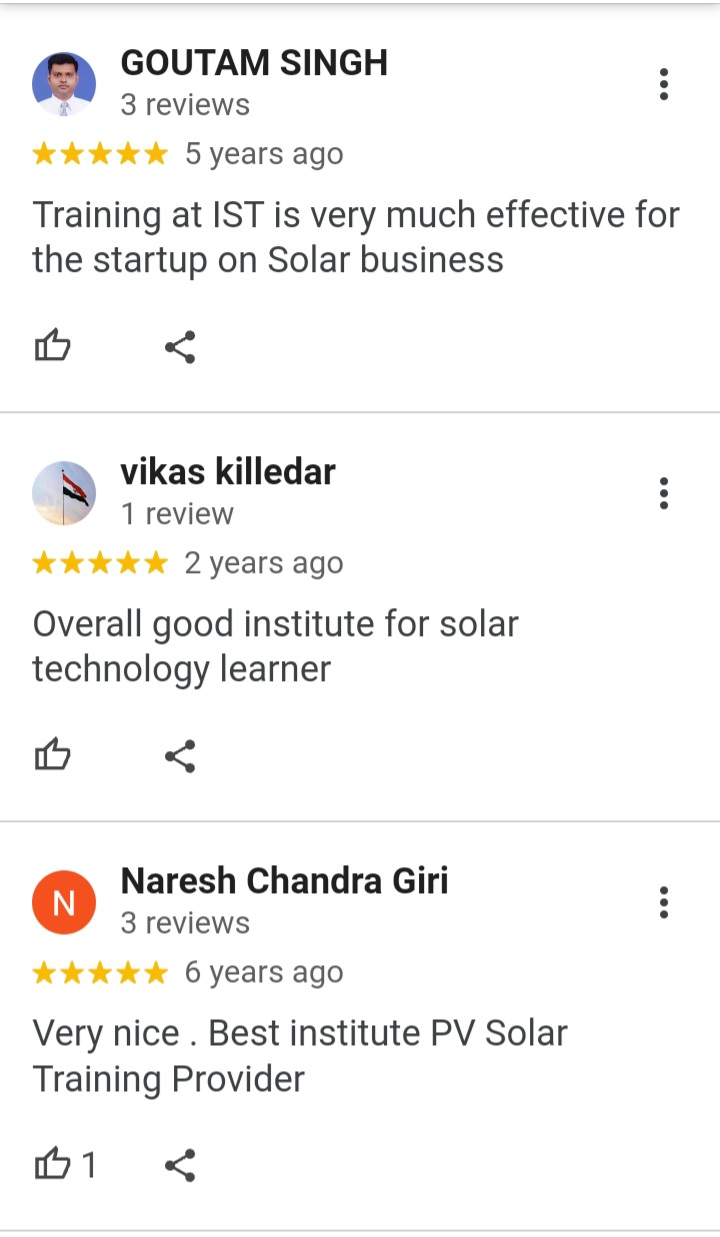
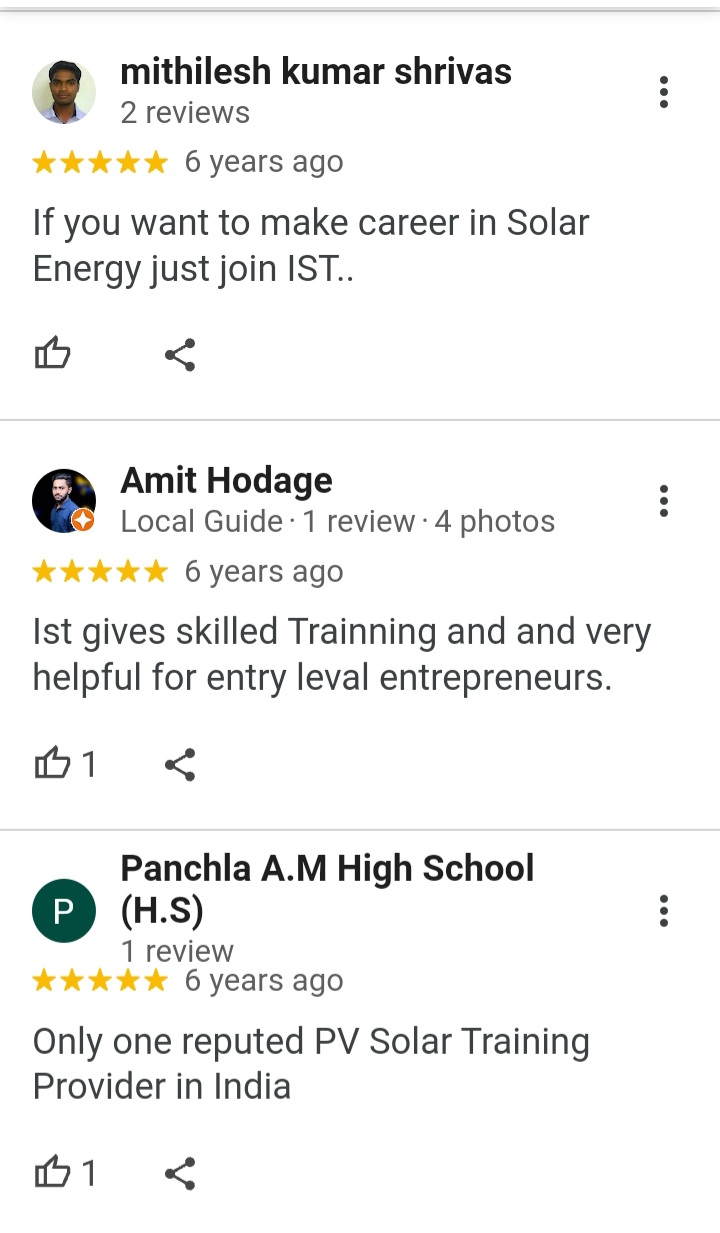
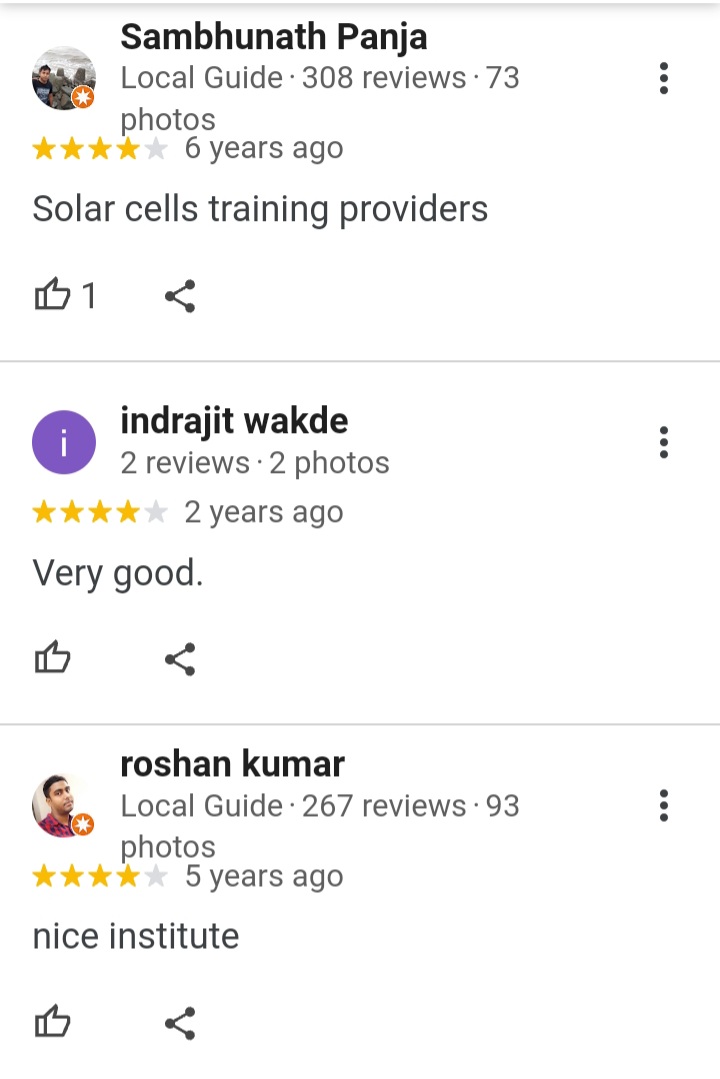
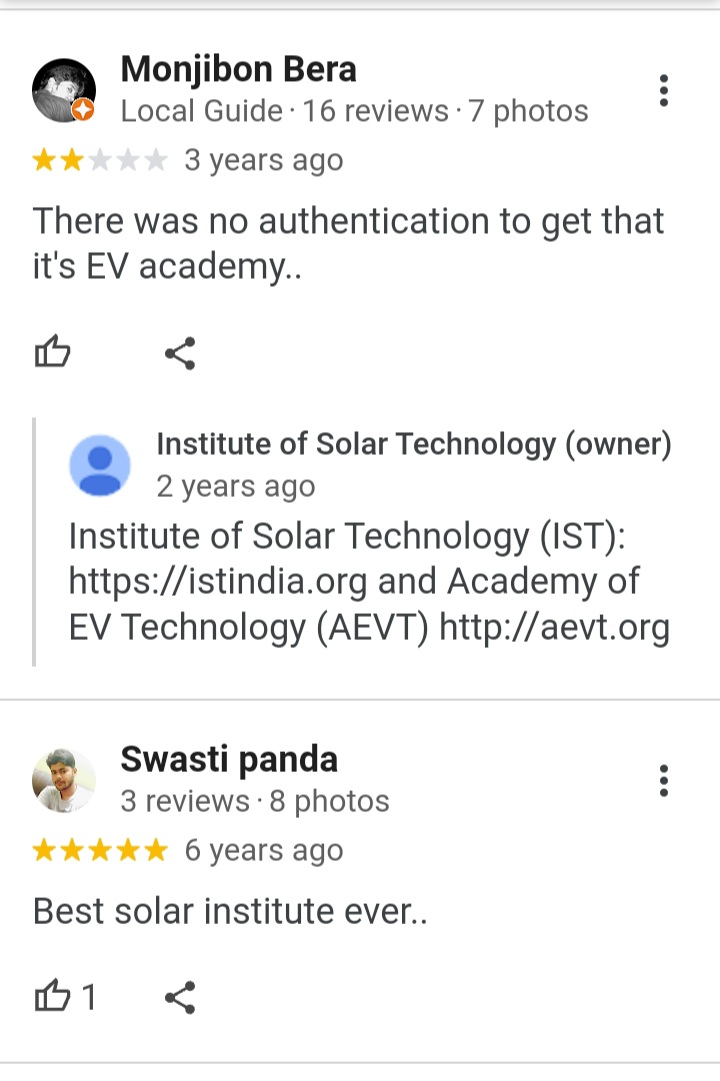
The Institute of Solar Technology (IST) provides solar energy education, technical training, business guidance, and practical knowledge to help individuals understand the solar industry and develop their own solar businesses.
1. Why Start a Solar Energy Business in India?
India has enormous potential for solar energy development. Residential rooftops, commercial buildings, industrial facilities, agricultural projects, and large-scale solar power plants offer different business opportunities.
Some major reasons to start a solar business include:
Increasing demand for rooftop solar installations.
Growing adoption of renewable energy.
Government support for solar power.
Opportunities in residential, commercial, and industrial sectors.
Growing demand for solar EPC companies.
Opportunities in solar equipment distribution and manufacturing.
Long-term business opportunities in solar maintenance and servicing.
2. Types of Solar Energy Businesses in India
Entrepreneurs can select different business models depending on their investment capacity, technical knowledge, and market demand.
A. Solar EPC Business
A Solar Engineering, Procurement and Construction (EPC) company provides complete solar project solutions, including system design, equipment procurement, installation, testing, and commissioning.
B. Solar Panel Distribution Business
Become a distributor, dealer, or reseller of solar panels, inverters, mounting structures, cables, and other solar components.
C. Solar Installation Business
Provide rooftop solar installation services for residential, commercial, industrial, and agricultural customers.
D. Solar Manufacturing Business
Manufacture solar-related products such as solar mounting structures, cables, junction boxes, solar water heaters, and other components.
E. Solar Consultancy Business
Provide technical consultancy, project feasibility studies, solar system design, financial analysis, and energy assessments.
F. Solar Operation and Maintenance (O&M)
Offer regular inspection, cleaning, troubleshooting, performance monitoring, and maintenance services for installed solar power plants.
3. Investment Required to Start a Solar Business
The initial investment depends on the selected business model, location, workforce, infrastructure, and operational requirements.
| Business Type | Indicative Initial Investment |
|---|---|
| Solar consultancy | ₹50,000–₹2 lakh |
| Solar installation services | ₹1–5 lakh |
| Solar dealership | ₹3–10 lakh |
| Solar EPC company | ₹5–25 lakh |
| Solar distribution | ₹10–50 lakh |
| Solar manufacturing | ₹25 lakh onwards |
These are illustrative planning estimates, not guaranteed costs. Actual investment depends on business scale and local market conditions.
4. Essential Requirements to Start a Solar Company
Before starting a solar energy business, entrepreneurs should consider the following requirements:
Select a suitable business model.
Conduct local market research.
Prepare a detailed business plan.
Register the business legally.
Obtain applicable GST registration and licences.
Arrange investment and working capital.
Establish relationships with solar manufacturers and suppliers.
Recruit trained technical employees.
Develop marketing and customer acquisition strategies.
Understand applicable DISCOM, electrical safety, and government scheme requirements.
5. Solar Business Profit Opportunities
Solar businesses can generate revenue through several services:
Solar system installation charges.
Solar equipment sales.
Solar project design and engineering.
EPC project execution.
Annual maintenance contracts.
Solar consultancy.
Solar system inspection and performance analysis.
Solar equipment manufacturing and distribution.
Profitability depends on project size, procurement costs, competition, customer acquisition costs, labour expenses, and after-sales service.
6. Government Schemes and Solar Business Opportunities
Government initiatives have helped increase awareness and adoption of solar energy in India.
Important programmes and policy areas include:
PM Surya Ghar: Muft Bijli Yojana.
PM-KUSUM scheme.
National rooftop solar initiatives.
Renewable energy development programmes.
State-level solar policies.
Net metering and applicable rooftop solar regulations.
Entrepreneurs should check the latest MNRE guidelines, state policies, DISCOM requirements, and eligibility conditions before offering subsidised solar projects.
7. Technical Knowledge Required for Solar Business
Technical knowledge is essential for delivering safe, reliable, and efficient solar projects.
Important subjects include:
Solar photovoltaic (PV) technology.
On-grid solar systems.
Off-grid solar systems.
Hybrid solar systems.
Solar panel selection.
Solar inverter selection.
DC and AC cable sizing.
String design and configuration.
Solar structure design.
Earthing and lightning protection.
Shadow analysis.
Solar energy generation estimation.
Solar financial analysis.
Installation, testing, and commissioning.
Operation and maintenance.
8. How IST Supports Solar Business Development
The Institute of Solar Technology (IST) focuses on developing practical solar energy knowledge and professional skills.
IST provides learning opportunities in areas such as:
Solar PV technical training.
Rooftop solar system design.
Solar installation training.
Solar project planning.
Solar engineering and simulation.
Solar business development