Solar Plus BESS (Battery Energy Storage System) is an advanced renewable energy solution that combines solar photovoltaic (PV) technology with battery storage to provide reliable, efficient, and sustainable electricity. This integrated system allows solar energy generated during the daytime to be stored in batteries and used whenever required, including at night, during peak electricity demand, or during grid power failures.
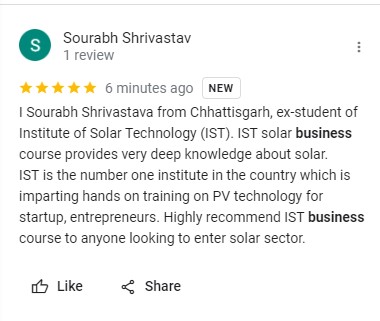
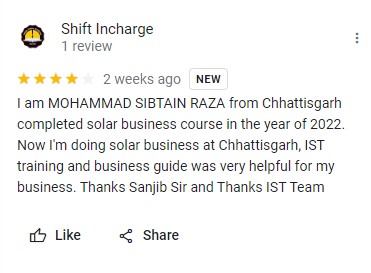
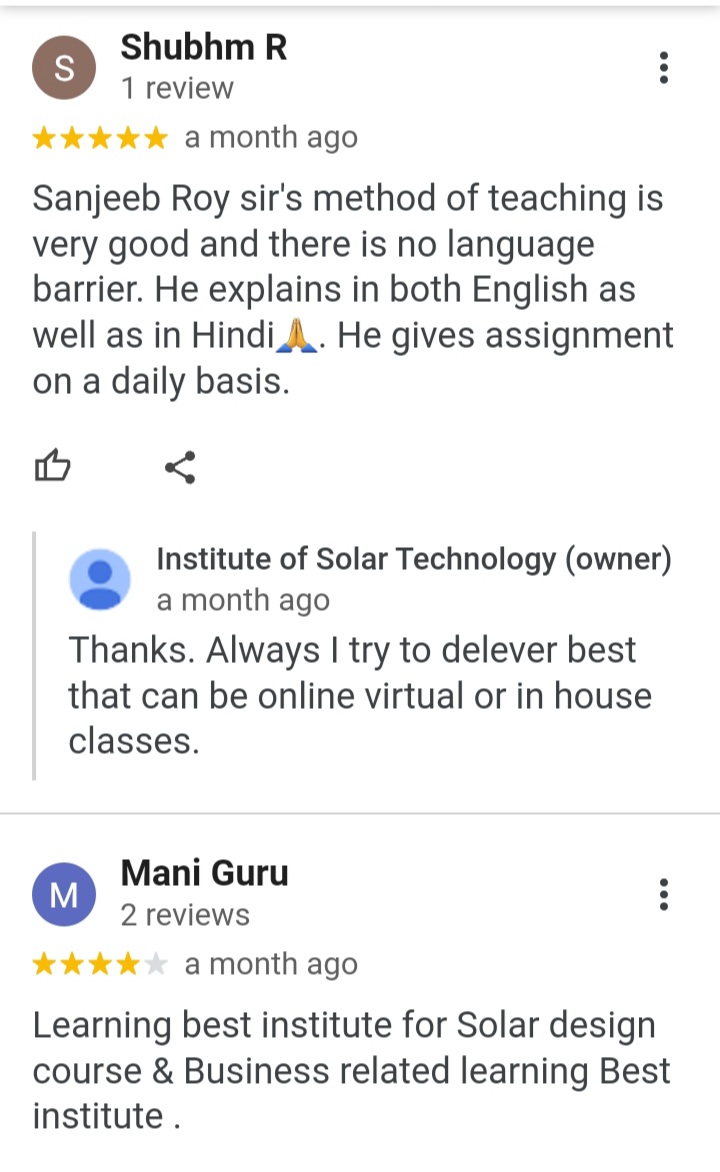
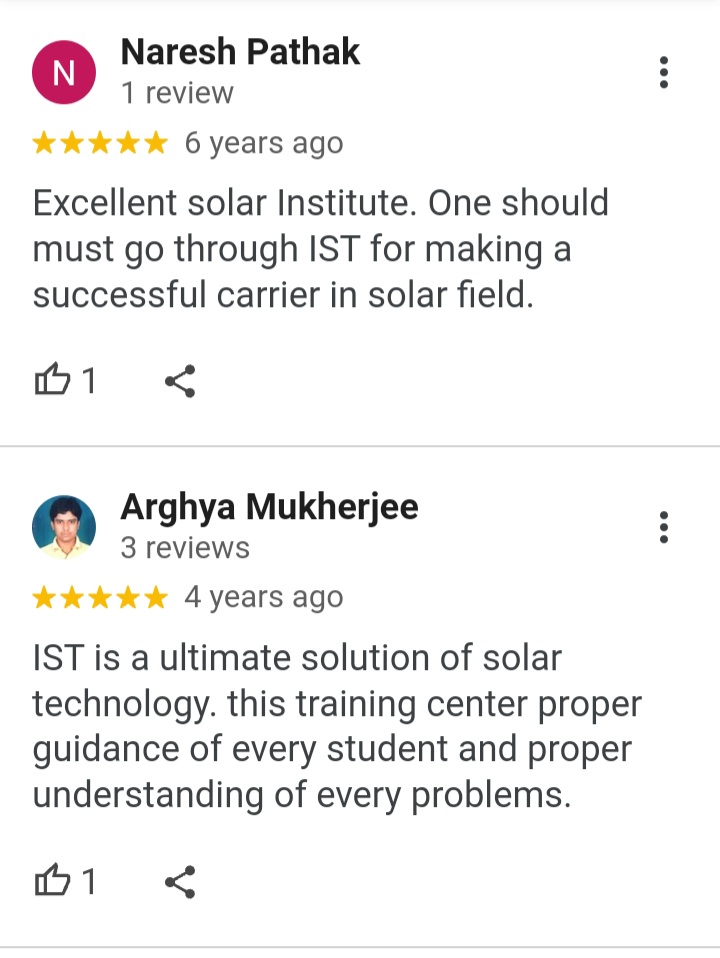
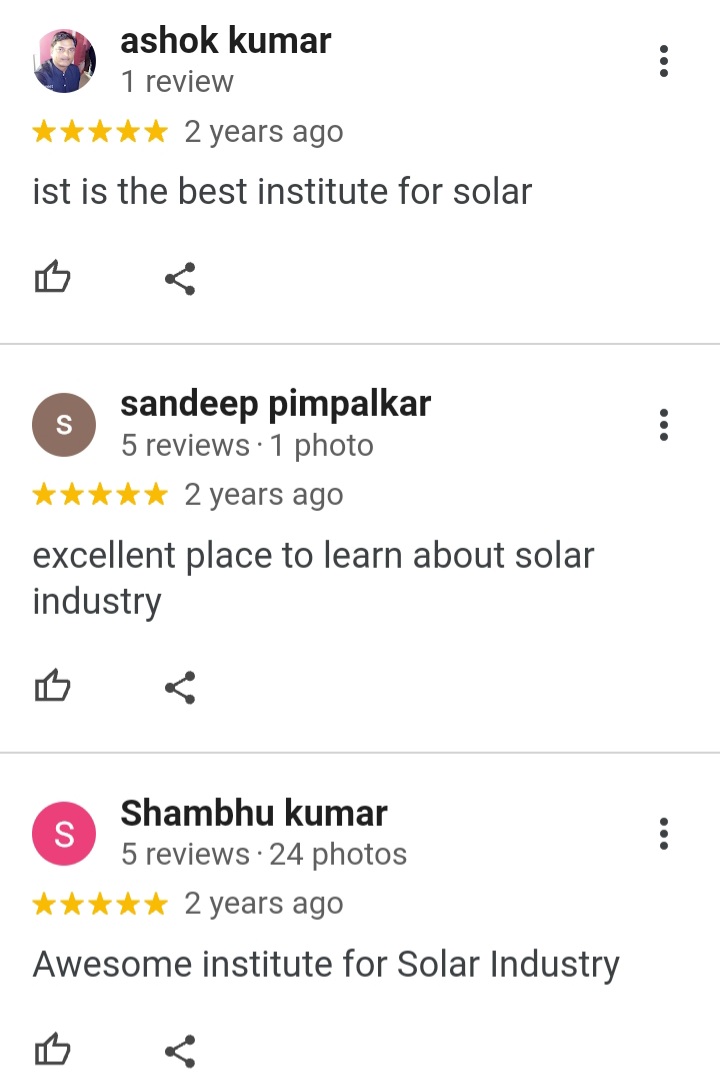
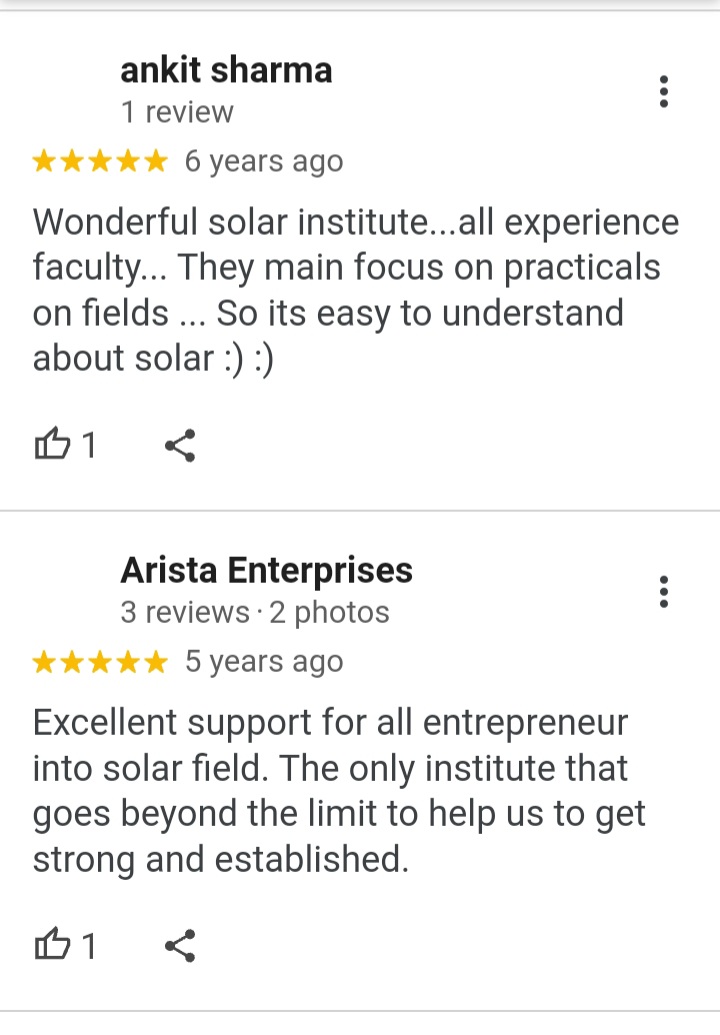
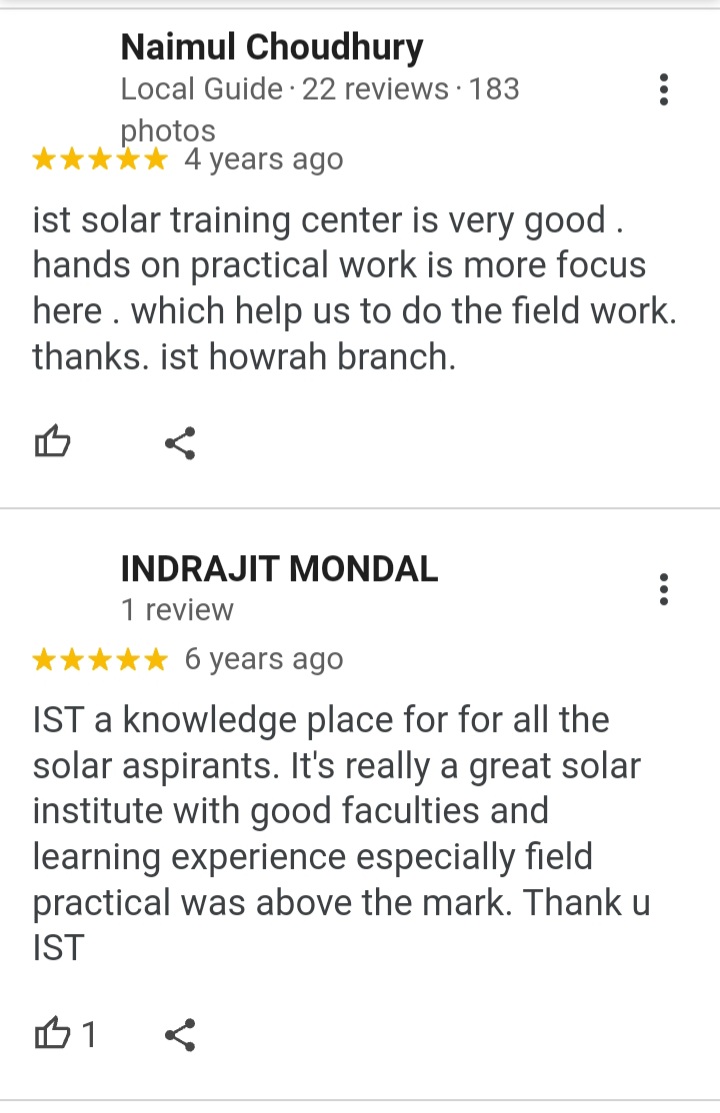
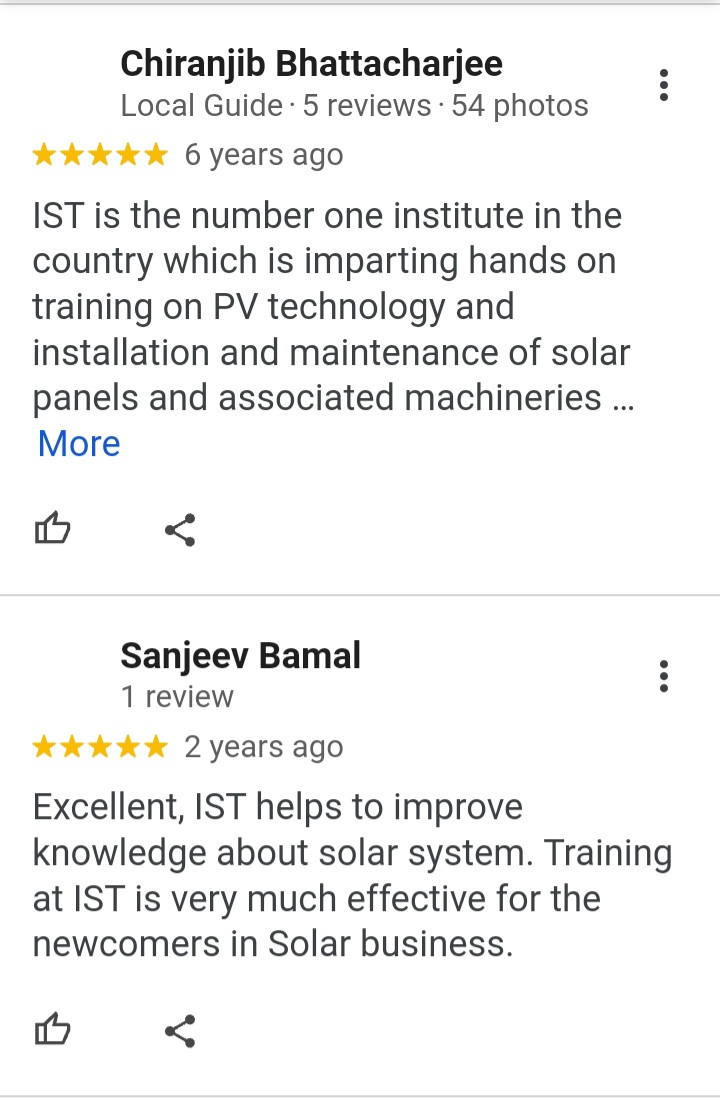
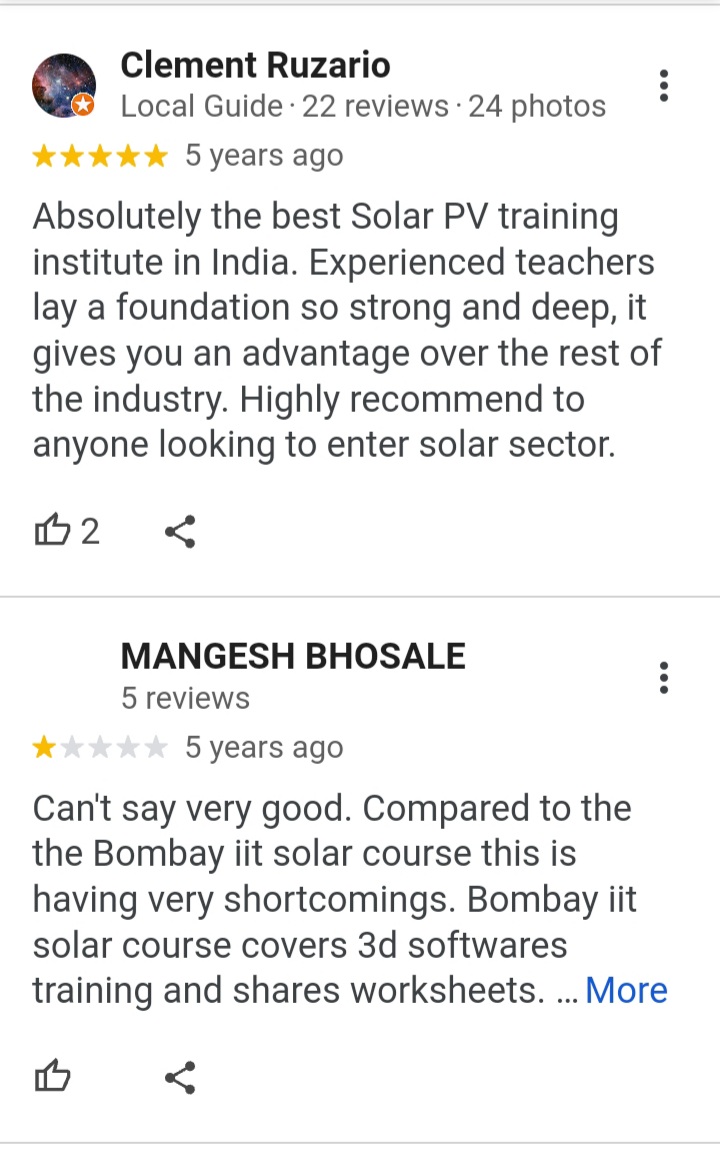
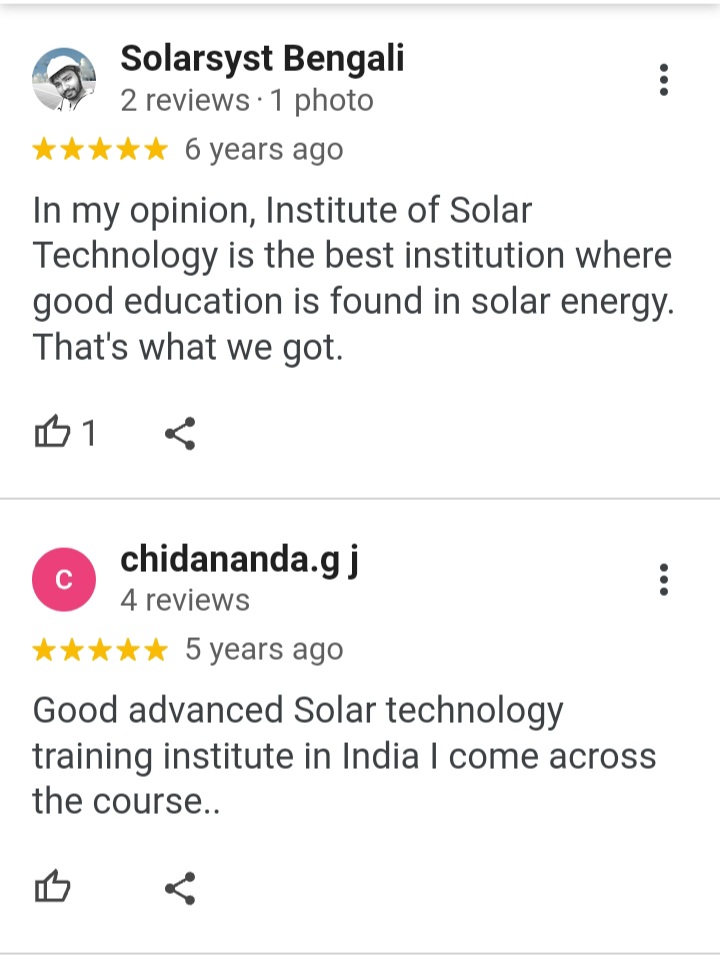
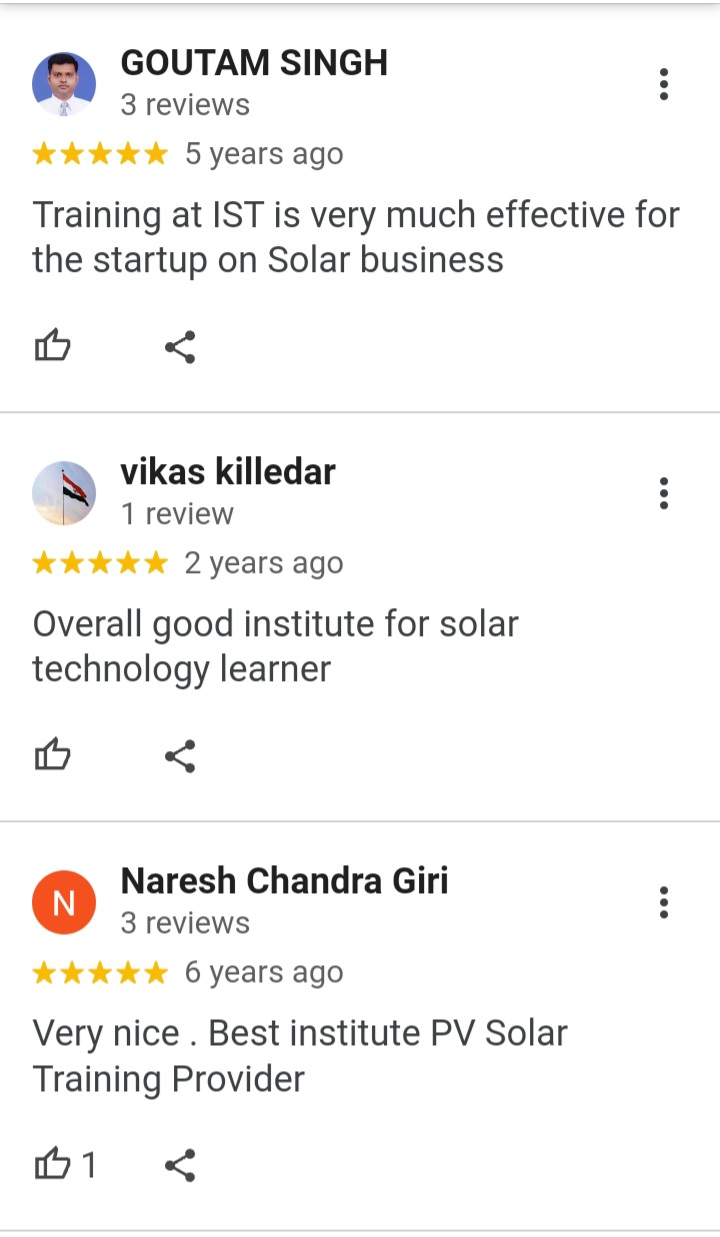
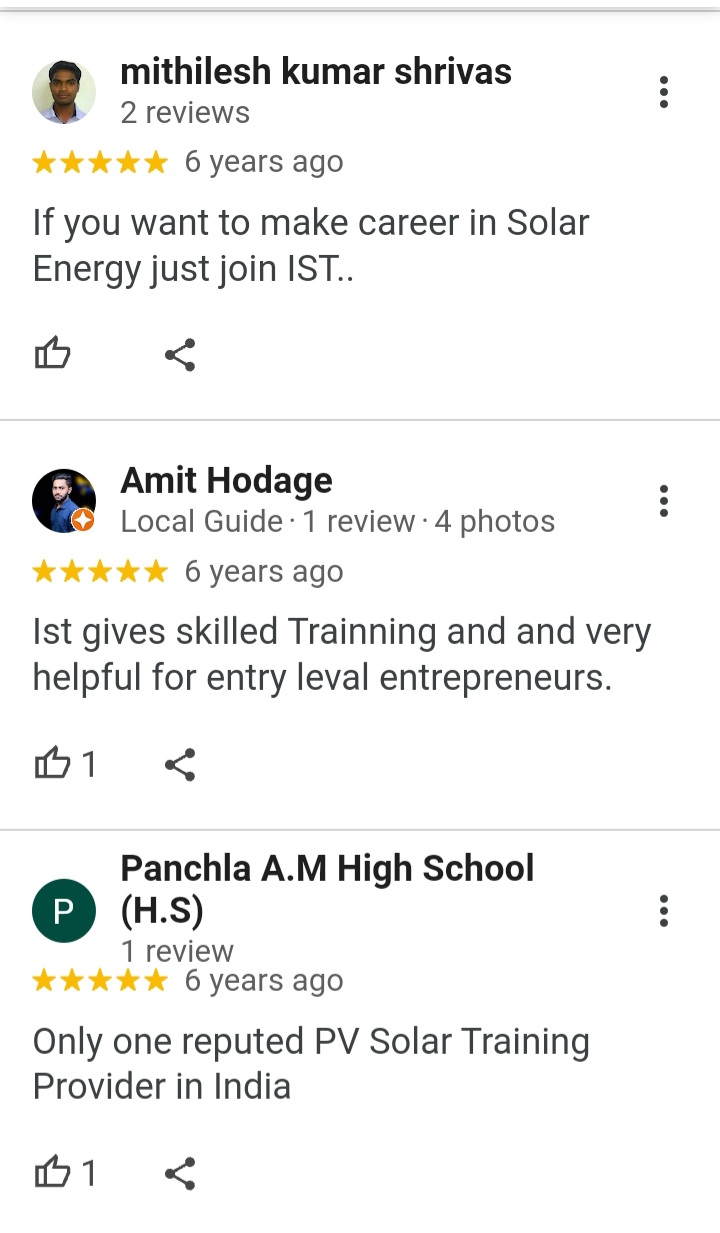
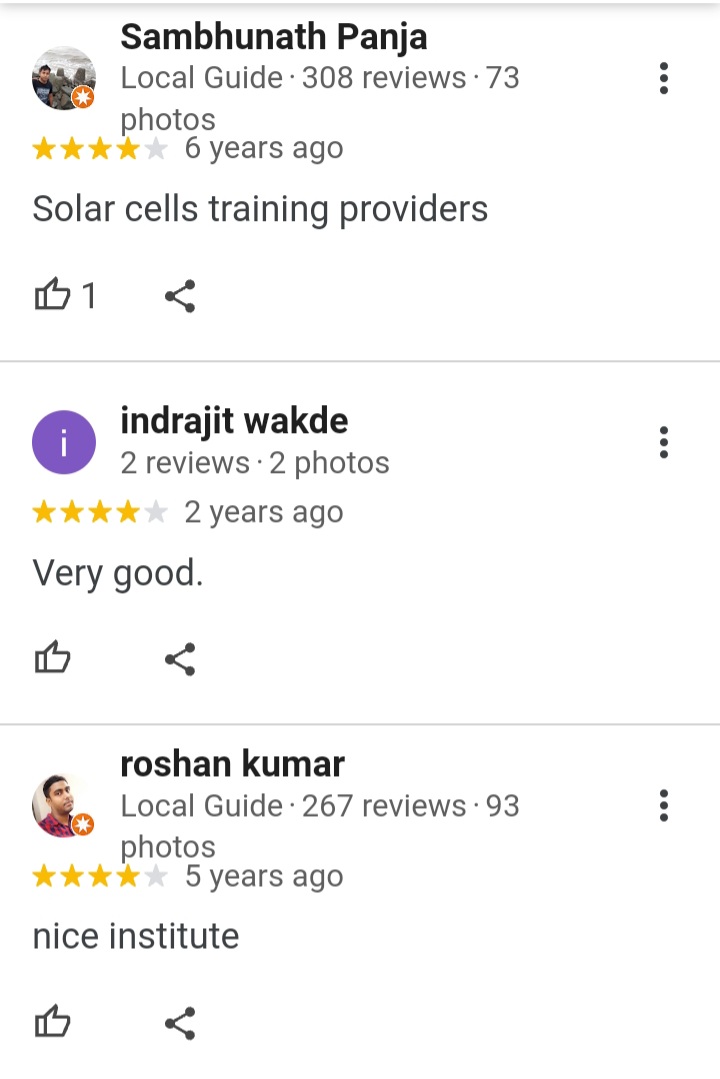
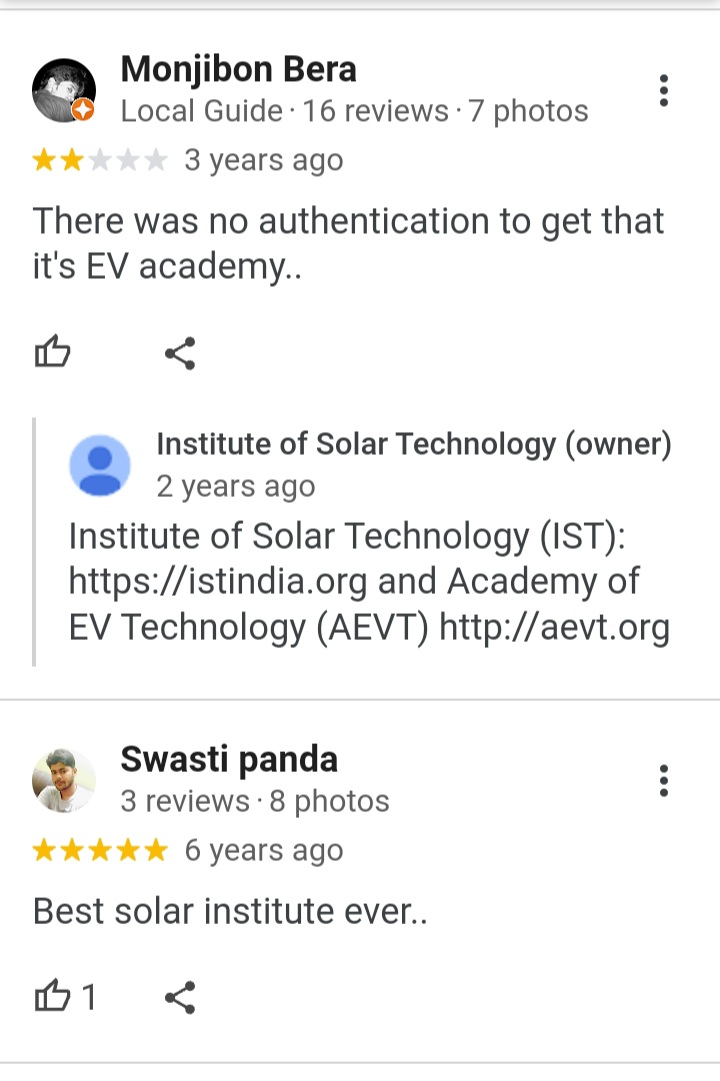
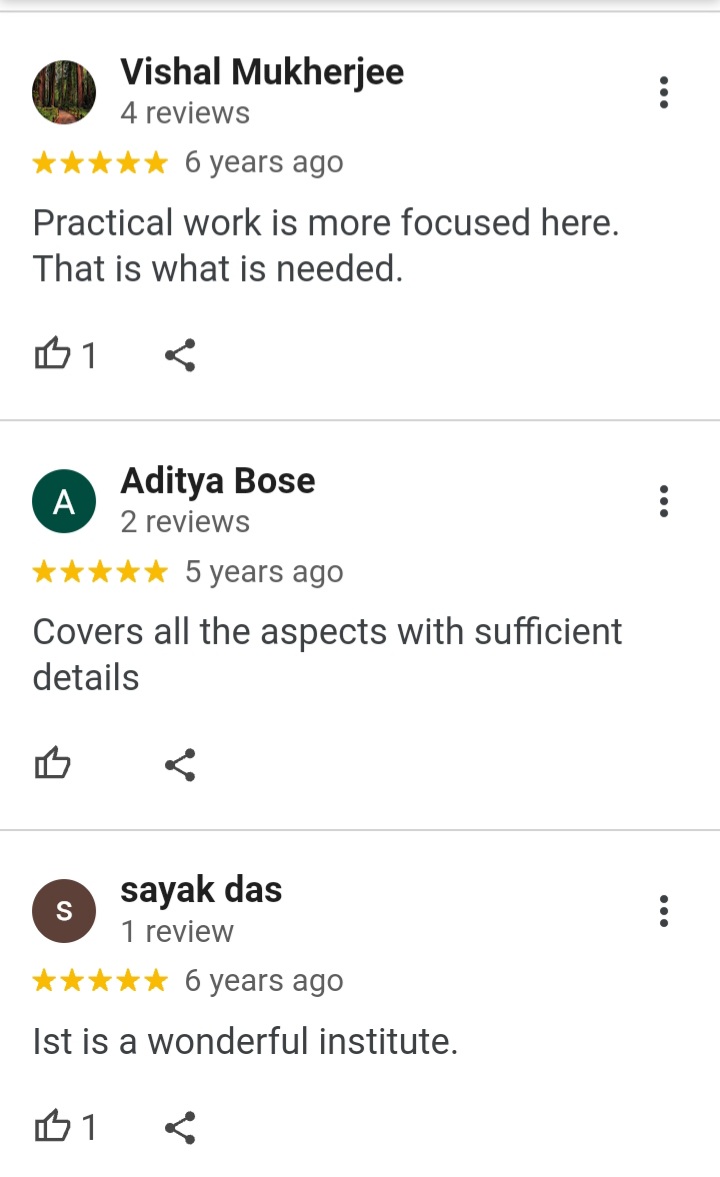
At the Institute of Solar Technology (IST), we focus on providing practical and industry-oriented knowledge about solar energy systems, battery technologies, and modern energy storage solutions. Our Solar Plus BESS training helps students, technicians, engineers, entrepreneurs, and solar industry professionals understand the technical and commercial aspects of solar-plus-storage projects.
Solar Power EV Charging Station Design Course
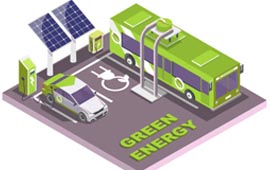 Combo course including Solar PV Technology, Lithium-ion Battery Technology and EV Charging Station Technology
For working professionals, early morning or night class slot available
Solar charging stations for electric vehicles have emerged as one of the best ways to reduce India’s dependence on fossil fuels. Nearly everyone who owns an Electric vehicle will install a solar charging station in their home. Certificate in Solar Power EV Charging Station (Design and Development) Training Program is a master courses that takes an Engineer, designe engineer, installer from site assessment, all the way through power-up and pinpointing.
Admission going on for Dec - 2026
What Is Solar Plus BESS?
Solar Plus BESS is a combination of a solar power generation system and a Battery Energy Storage System. Solar panels generate electricity from sunlight, while the battery system stores excess electricity for later use.
The stored energy can be used during non-solar hours, peak load periods, and power interruptions, depending on the system configuration.
Main Components of a Solar Plus BESS System
Solar PV Modules: Convert sunlight into DC electrical energy.
Solar Inverter: Converts DC electricity into AC electricity.
Battery Energy Storage System: Stores electrical energy for future use.
Battery Management System (BMS): Monitors battery voltage, temperature, current, and safety parameters.
PCS (Power Conversion System): Controls bidirectional power conversion between the battery and AC system.
Energy Management System (EMS): Manages energy generation, storage, charging, and consumption.
DCDB and ACDB: Provide electrical protection and distribution.
Protection Systems: Include circuit breakers, fuses, surge protection, earthing, and isolation devices.
Monitoring System: Tracks solar generation, battery charging, discharging, and system performance.
How Does Solar Plus BESS Work?
The system operates through the following process:
Solar panels generate electricity during daylight hours.
Solar energy supplies connected electrical loads.
Excess solar electricity charges the battery bank.
Stored battery energy supplies loads during nighttime or low-solar periods.
During grid outages, a properly designed backup system supplies essential loads.
The EMS manages power flow to improve energy utilization and system efficiency.
Types of Solar Plus BESS Systems
1. Residential Solar Plus BESS
Designed for homes to reduce grid electricity consumption and provide backup power.
2. Commercial Solar Plus BESS
Used in offices, shopping complexes, hotels, hospitals, and commercial buildings to manage energy consumption and demand charges.
3. Industrial Solar Plus BESS
Suitable for manufacturing facilities, industrial plants, and factories requiring high-capacity energy storage and power management.
4. Utility-Scale Solar Plus BESS
Large-scale energy storage installations used for grid stabilization, renewable energy integration, frequency regulation, and energy shifting.
Battery Technologies Used in Solar Plus BESS
Common battery technologies include:
Lithium Iron Phosphate (LFP)
Lithium Nickel Manganese Cobalt Oxide (NMC)
Lead-Acid Batteries
Flow Batteries
LFP batteries are widely used in modern stationary energy storage applications because of their thermal stability, cycle life, and suitability for frequent charging and discharging.
Applications of Solar Plus BESS
Residential rooftop solar systems
Commercial and industrial solar plants
Hospitals and educational institutions
Telecom towers
Manufacturing industries
Data centres
Microgrids and off-grid power systems
Renewable energy power plants
EV charging stations
Advantages of Solar Plus BESS
Better utilization of solar energy
Reduced dependence on grid electricity
Backup power during grid failures
Peak demand management
Improved energy reliability
Support for renewable energy integration
Reduced electricity costs where tariffs and operating conditions make storage economical
Improved energy management and power flexibility
Solar Plus BESS Training at Institute of Solar Technology (IST)
The Institute of Solar Technology (IST) provides practical and technical learning opportunities for individuals interested in solar energy and battery energy storage technologies.
Our training covers important subjects such as:
Solar PV system fundamentals
Battery technology and selection
Battery capacity calculation and sizing
BMS and battery safety
Solar inverter and hybrid inverter operation
PCS and EMS fundamentals
Solar Plus BESS system design
Electrical protection and safety
Installation and commissioning
Operation and maintenance
Project costing and commercial feasibility
Career Opportunities in Solar Plus BESS
With the growing demand for renewable energy and energy storage solutions, Solar Plus BESS offers career opportunities in:
Solar PV installation and commissioning
Battery energy storage system installation
BESS design and engineering
Electrical maintenance
Battery manufacturing and testing
Energy management
Solar project development
Technical sales and entrepreneurship
Conclusion
Solar Plus BESS is an important technology for the future of renewable energy. By combining solar power generation with battery storage, it provides flexible, reliable, and efficient energy solutions for residential, commercial, industrial, and utility-scale applications.
Learn solar energy and battery storage technologies with the Institute of Solar Technology (IST) and develop practical knowledge for the growing renewable energy industry.
Institute of Solar Technology (IST) – Building Skills for the Solar and Renewable Energy Industry.