The solar energy industry is growing rapidly, creating excellent career opportunities for engineers, technicians, diploma holders, and renewable energy professionals. One of the most promising career options in this sector is becoming a Solar Project Manager.
A Solar Project Manager is responsible for planning, managing, executing, and completing solar power projects, including residential rooftop solar installations, commercial and industrial (C&I) solar systems, and large-scale solar power plants.
If you want to build a successful career in the renewable energy industry, learning solar project management can help you develop the technical, commercial, and managerial skills required to manage solar projects professionally.
Solar Project Design Master Course (Rooftop and Large solar system)
 Huge job opportunity Solar Design engineer job
Search Solar Design Engineer Job
For working professionals, early morning or night class slot available
👉 Introduce with Mentor
Solar Power Plant Releated Cloud Software access -
👉Know about IST SunPower System solar software
- Site Assessment
- Hybrid On-Grid System Simulation
- Solar DCDB Design
- Solar ACDB Design
- Solar Power Plant SLD
- Solar Project Quotation
- Solar Project Bankability Report
- Solar Power Plant BOQ
Admission going on for 4th Batch of Dec - 2026
1. Who Is a Solar Project Manager?
A Solar Project Manager is a professional who manages the complete lifecycle of a solar power project, from initial planning and site assessment to installation, commissioning, and final handover.
The major responsibilities include:
Solar project planning and scheduling.
Site surveys and feasibility studies.
Solar PV system design coordination.
Material procurement and vendor management.
Project budgeting and cost estimation.
Installation team management.
Quality control and safety supervision.
Monitoring project progress.
Testing and commissioning.
Client coordination and project documentation.
2. Educational Qualifications Required
You can enter the solar project management field through different educational backgrounds.
Common qualifications include:
B.Tech / B.E. in Electrical Engineering.
Diploma in Electrical Engineering.
Mechanical or Civil Engineering.
ITI Electrical.
Renewable Energy or Solar Energy qualifications.
Relevant technical experience in solar installation.
Engineering qualifications can be beneficial for technical project roles. However, practical solar industry knowledge, project execution experience, and management skills are also important.
3. Essential Technical Skills
To become a successful Solar Project Manager, you should understand the following technical subjects:
Solar PV Fundamentals
Solar radiation and photovoltaic technology.
Solar panel specifications and selection.
Types of solar power systems.
On-grid, off-grid, and hybrid solar systems.
Solar PV System Design
Solar PV capacity calculation.
Solar panel string configuration.
Inverter selection and sizing.
DC and AC cable sizing.
DCDB and ACDB selection.
Earthing and lightning protection.
Solar generation estimation.
Electrical Engineering Knowledge
Single-line diagrams (SLD).
Electrical load calculations.
Transformer and protection systems.
Circuit breakers and isolators.
Electrical safety standards.
Solar Installation and Commissioning
Module mounting structure installation.
Solar panel installation.
DC and AC electrical connections.
Inverter installation.
Testing and commissioning.
Performance verification.
4. Solar Project Management Skills
Technical knowledge alone is not enough. A Solar Project Manager must also develop strong management skills.
Important skills include:
Project planning and scheduling.
Team and manpower management.
Material planning and procurement.
Cost estimation and budget control.
Client communication.
Contractor and vendor coordination.
Risk management.
Quality assurance and quality control.
Documentation and reporting.
Project delivery and handover.
5. Software Skills for Solar Project Managers
Learning industry-related software can improve your professional capabilities.
Some useful software tools include:
MS Excel: Project costing, BOQ, material calculations, and reporting.
MS Project: Project planning and scheduling.
AutoCAD: Electrical drawings and solar layout preparation.
PVsyst: Solar energy simulation and performance analysis.
SketchUp: Solar plant layout and 3D visualization.
HelioScope: Solar PV system design and engineering.
6. Step-by-Step Process to Become a Solar Project Manager
Step 1: Learn Solar PV Technology
Understand solar photovoltaic principles, solar modules, inverters, mounting structures, and electrical systems.
Step 2: Learn Solar System Design
Develop practical knowledge of solar plant sizing, string design, inverter selection, cable sizing, and electrical drawings.
Step 3: Gain Practical Installation Experience
Participate in rooftop solar installations and ground-mounted solar power projects.
Step 4: Learn Project Planning and Management
Understand project scheduling, manpower allocation, procurement, budgeting, and execution monitoring.
Step 5: Learn Solar Software
Practice AutoCAD, Excel, PVsyst, and project management software.
Step 6: Understand Quality and Safety
Learn electrical safety, working-at-height precautions, inspection procedures, testing, and commissioning requirements.
Step 7: Build Your Professional Experience
Start with roles such as Solar Site Engineer, Solar Design Engineer, Project Coordinator, or Solar Installation Engineer and progress towards project management positions.
7. Career Opportunities in Solar Project Management
After developing the necessary skills and experience, you can explore several career opportunities:
Solar Project Engineer.
Solar Site Engineer.
Solar Project Coordinator.
Solar Design Engineer.
Solar Installation Manager.
Solar Construction Manager.
Solar Project Manager.
EPC Project Manager.
Renewable Energy Project Manager.
Solar Operations and Maintenance Manager.
8. Salary and Career Growth
Solar industry salaries depend on educational qualifications, technical knowledge, location, company, project size, and professional experience.
Career progression may follow this pathway:
Entry Level: Solar Site Engineer / Junior Engineer.
Intermediate Level: Solar Project Engineer / Project Coordinator.
Experienced Level: Solar Project Manager.
Senior Level: Senior Project Manager / EPC Manager.
Leadership Level: Head of Projects / Renewable Energy Director.
Developing practical experience and project execution capabilities can improve career growth opportunities.
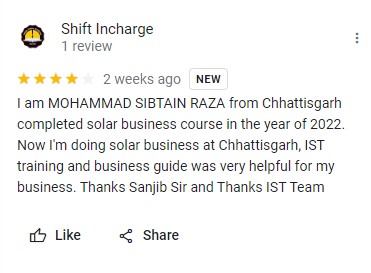
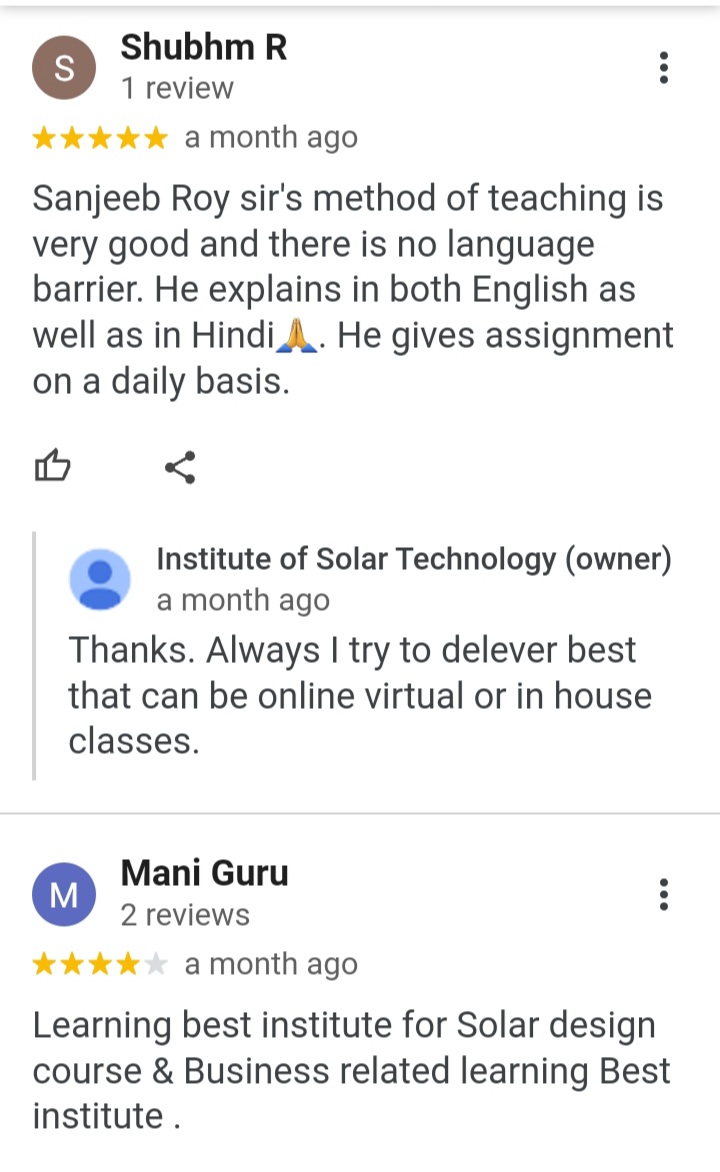
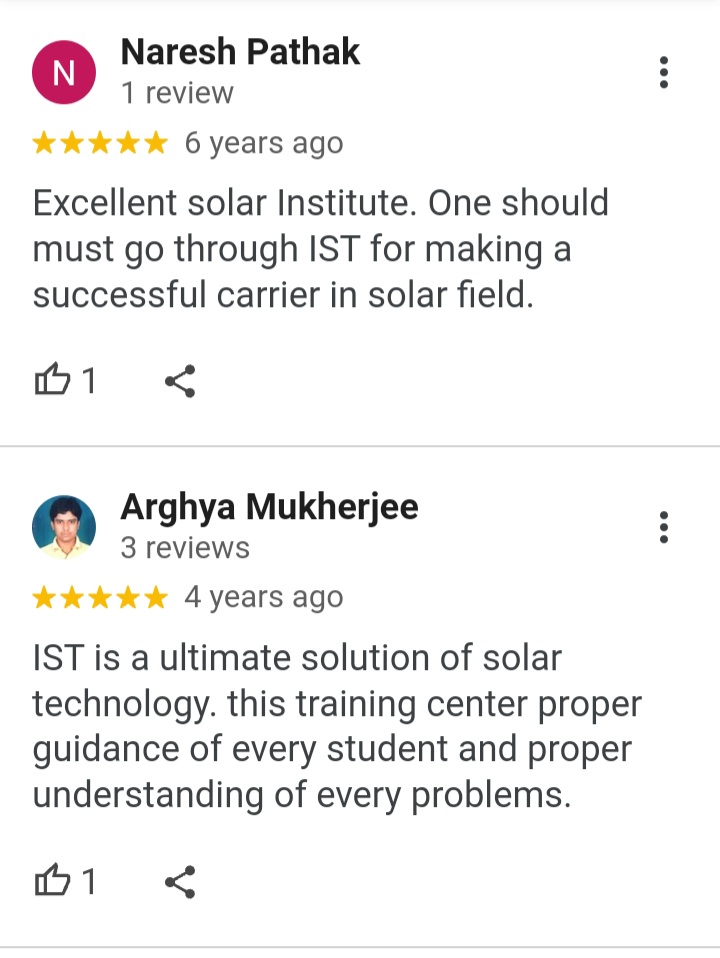
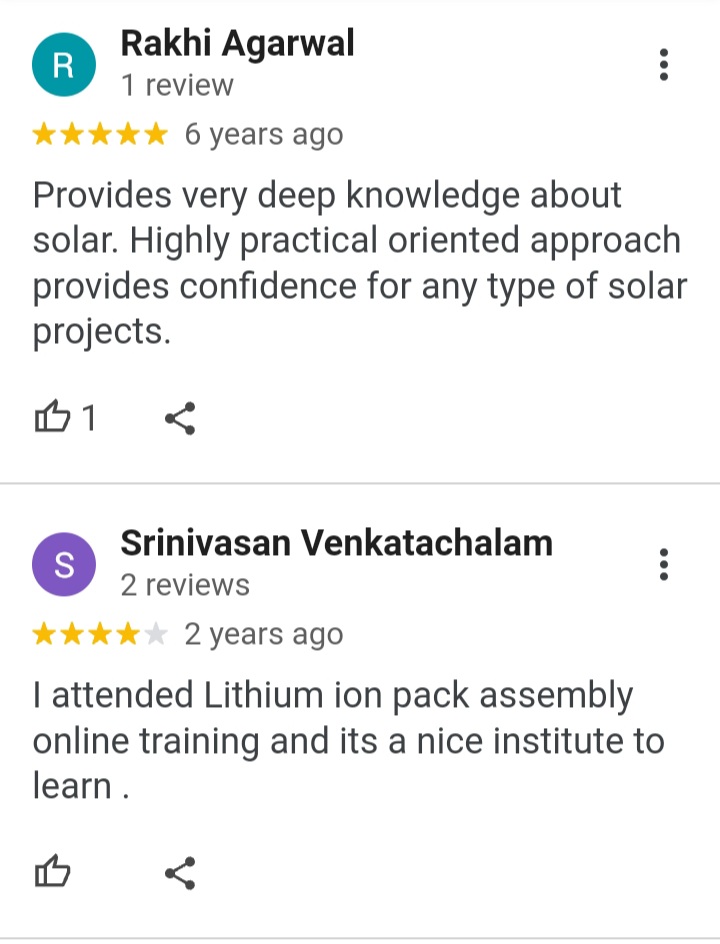
9. Why Choose Solar Project Management Training at IST?
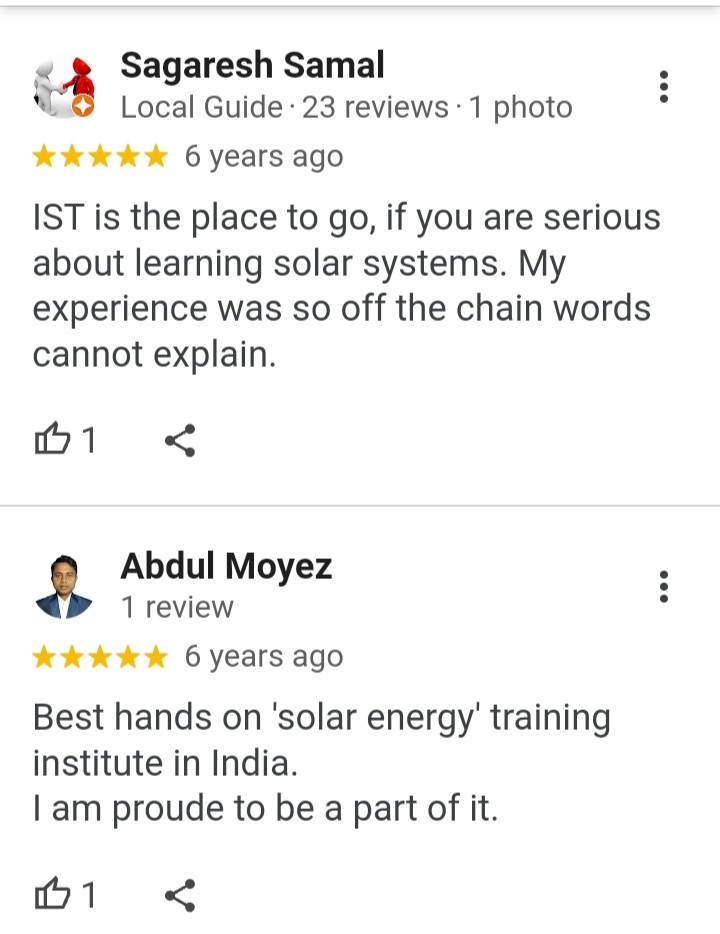
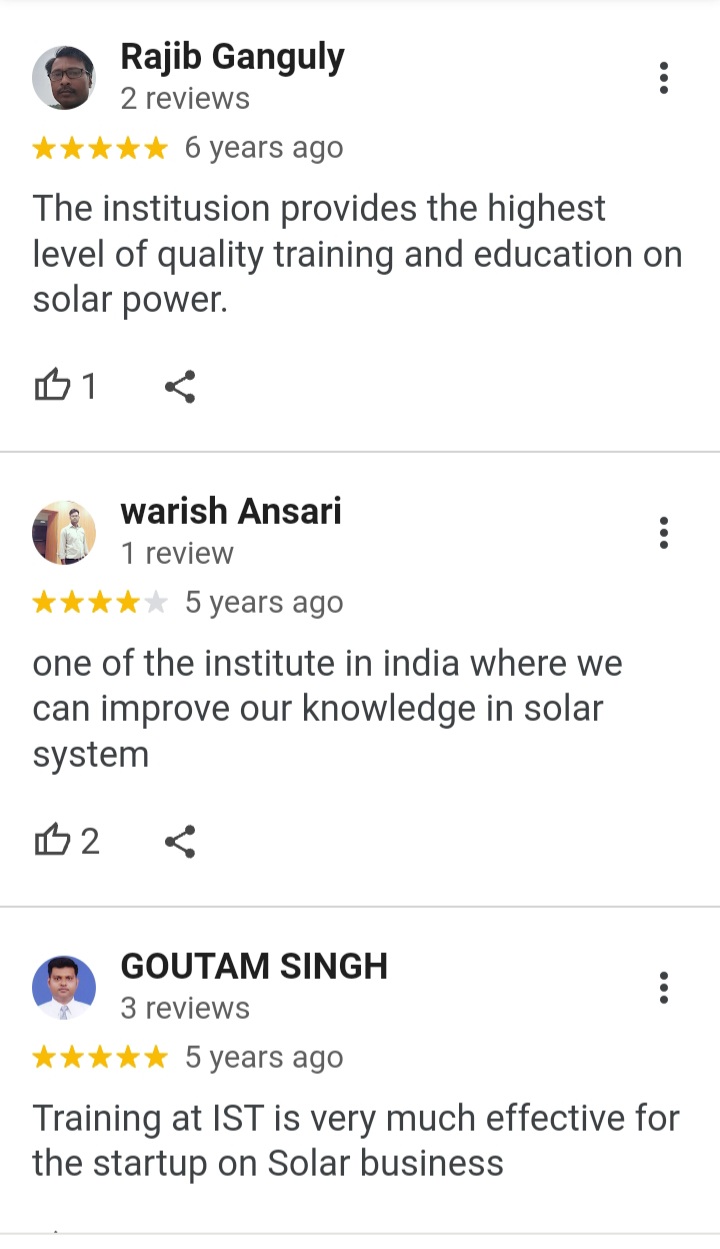
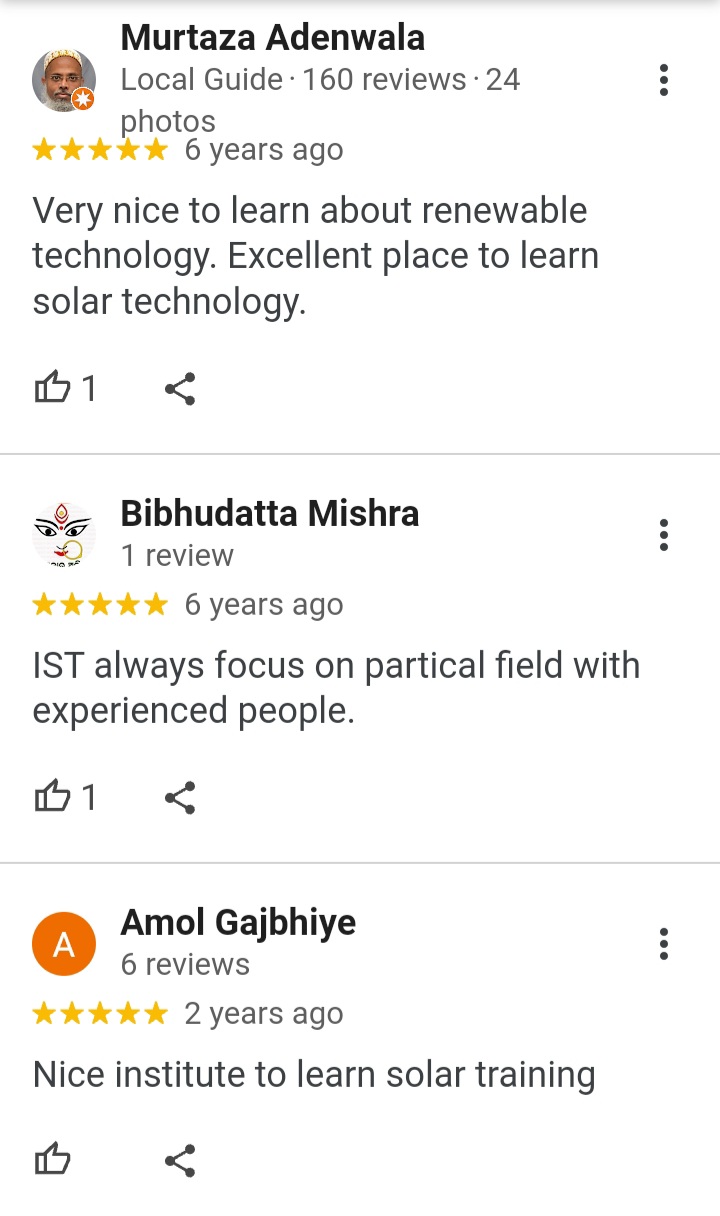
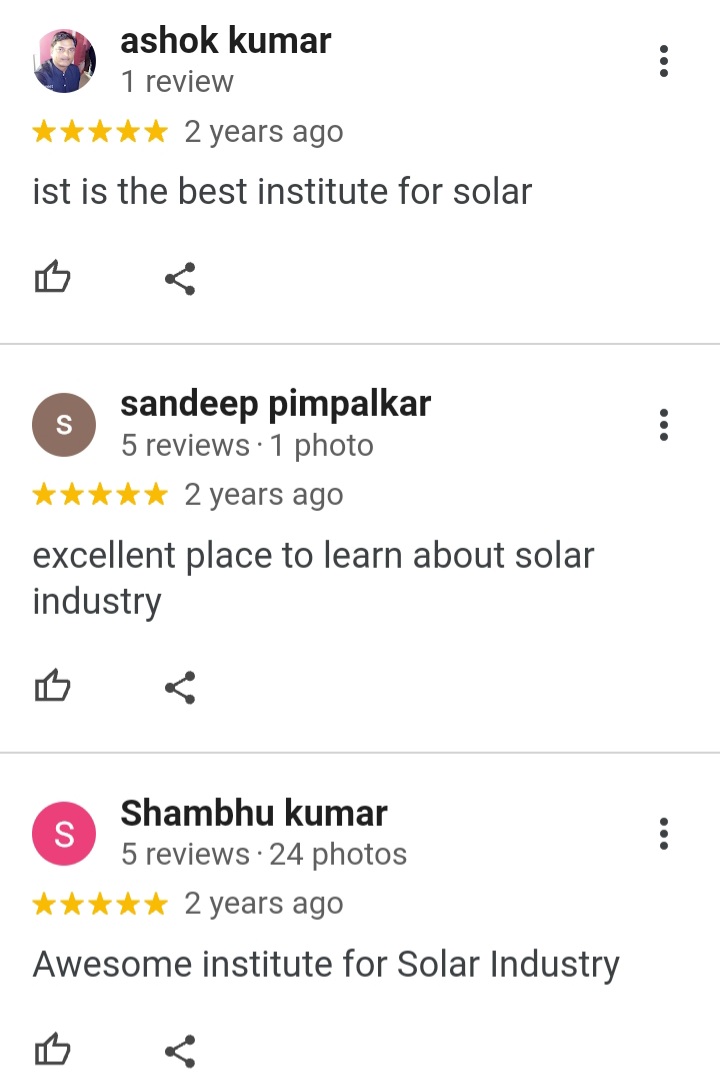
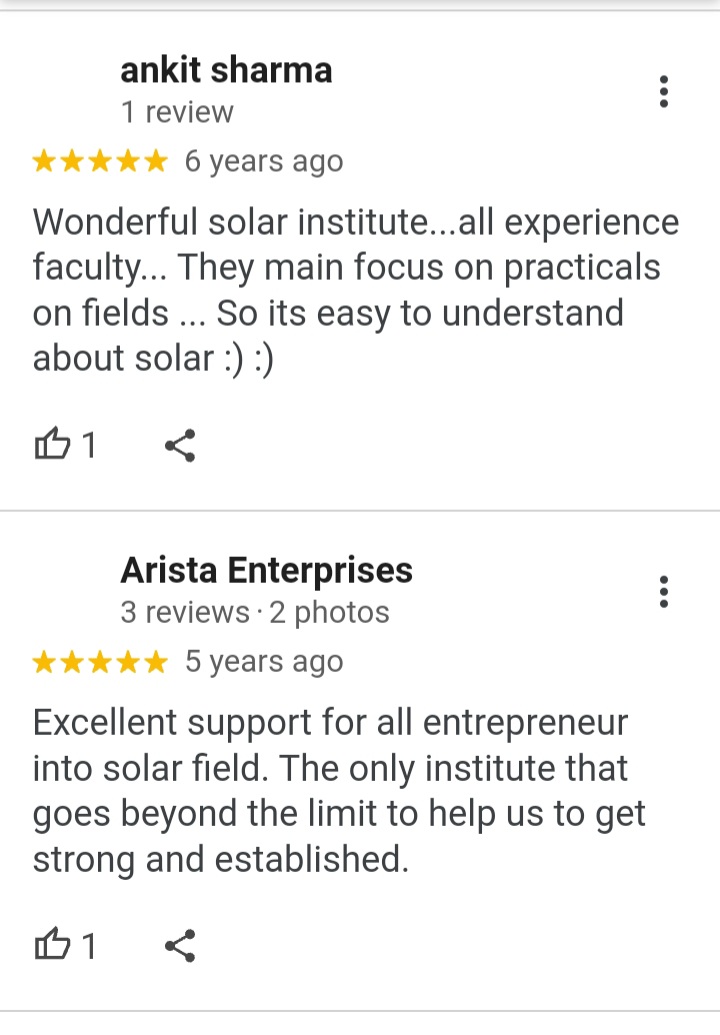
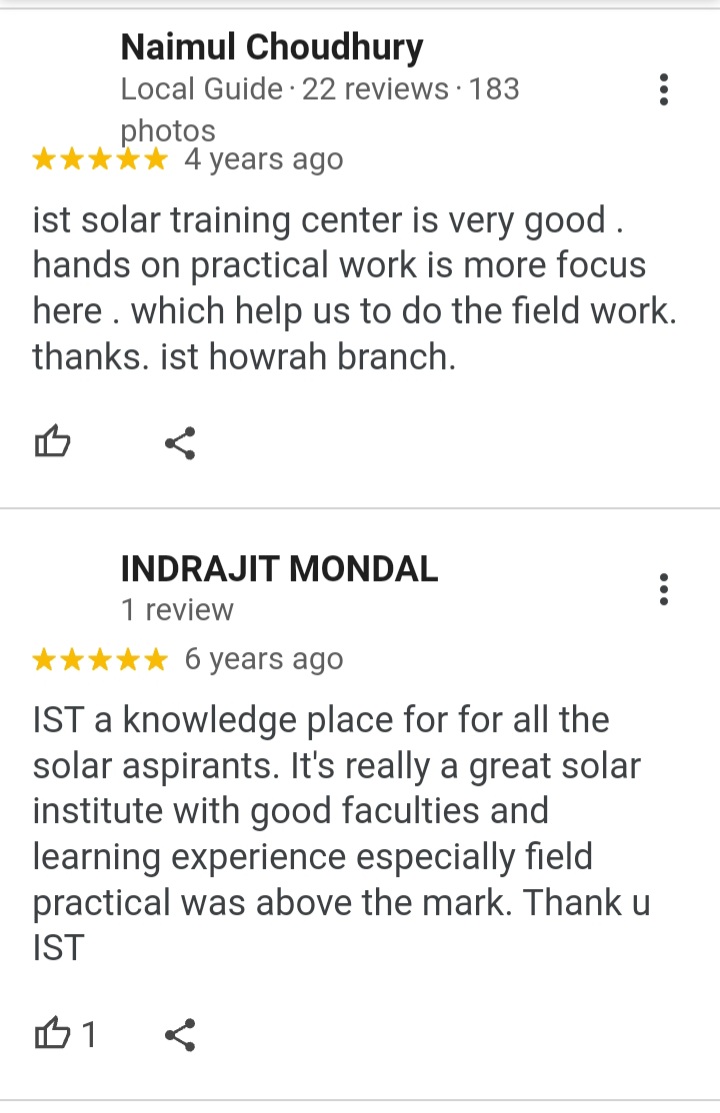
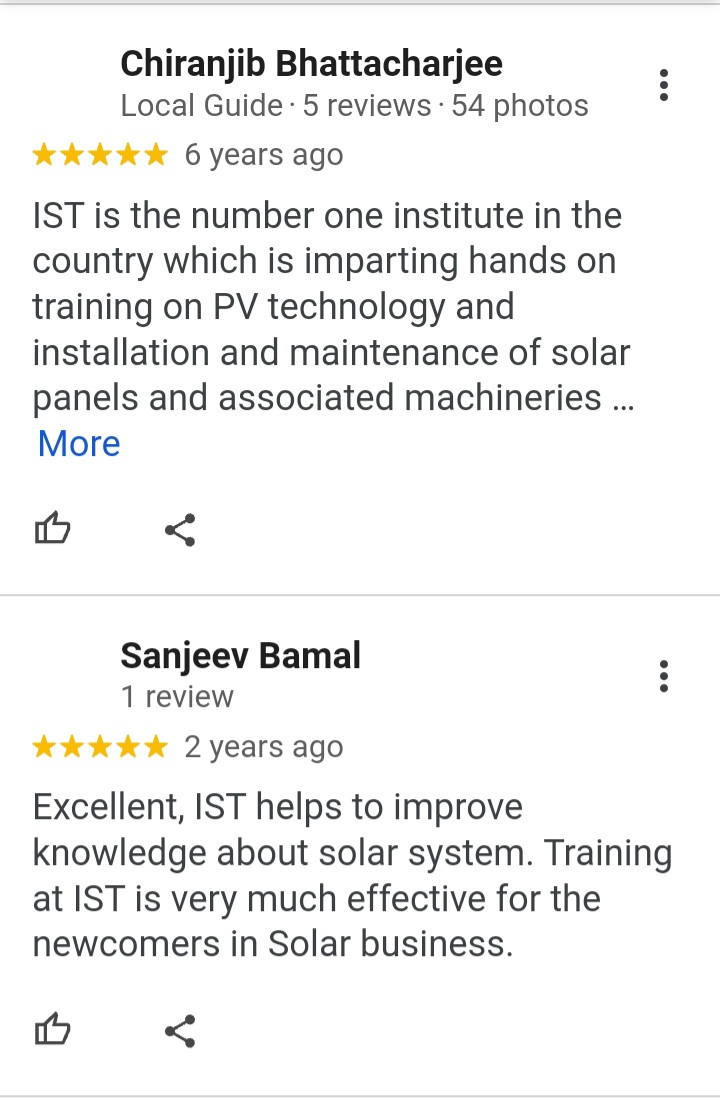
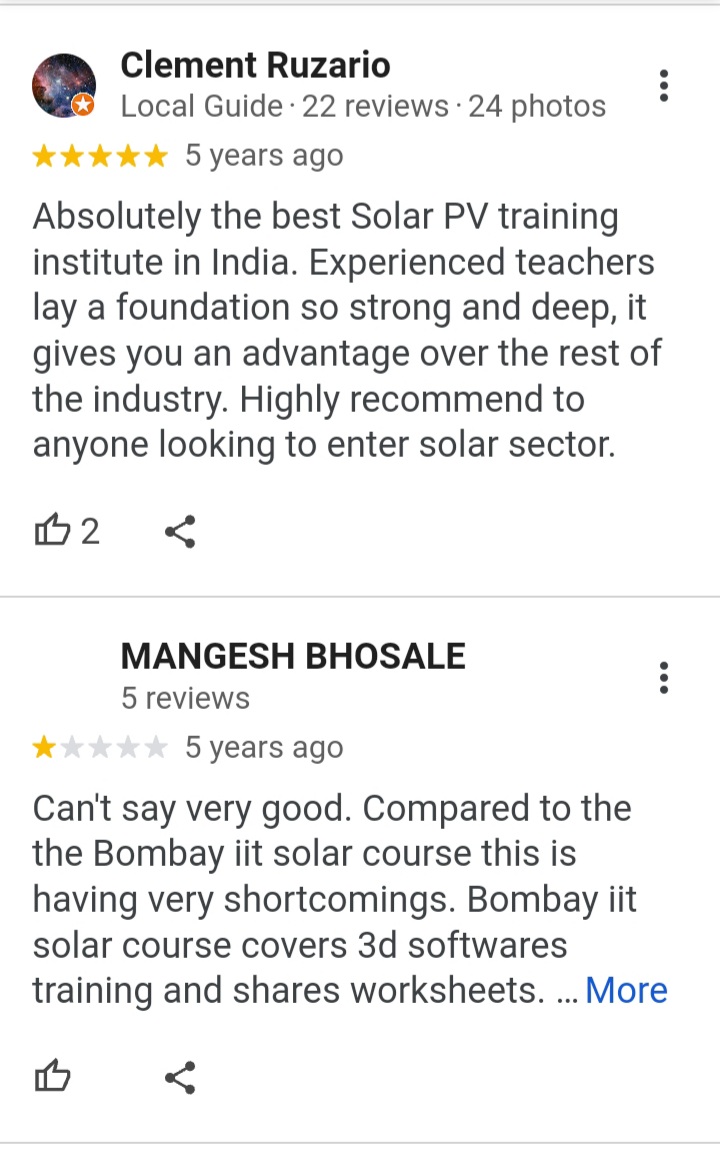
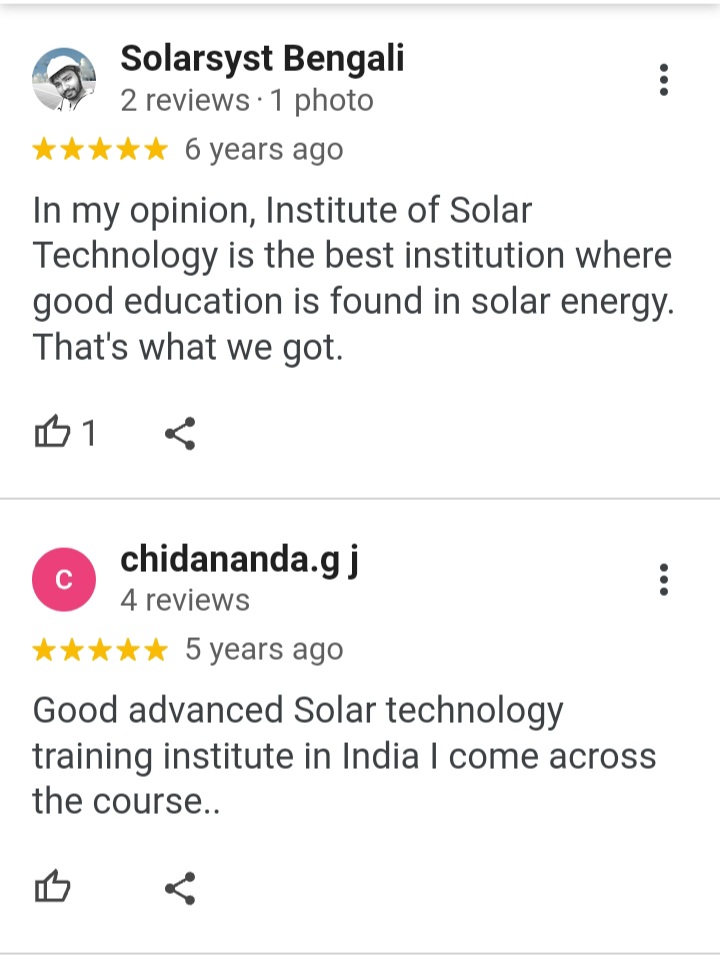
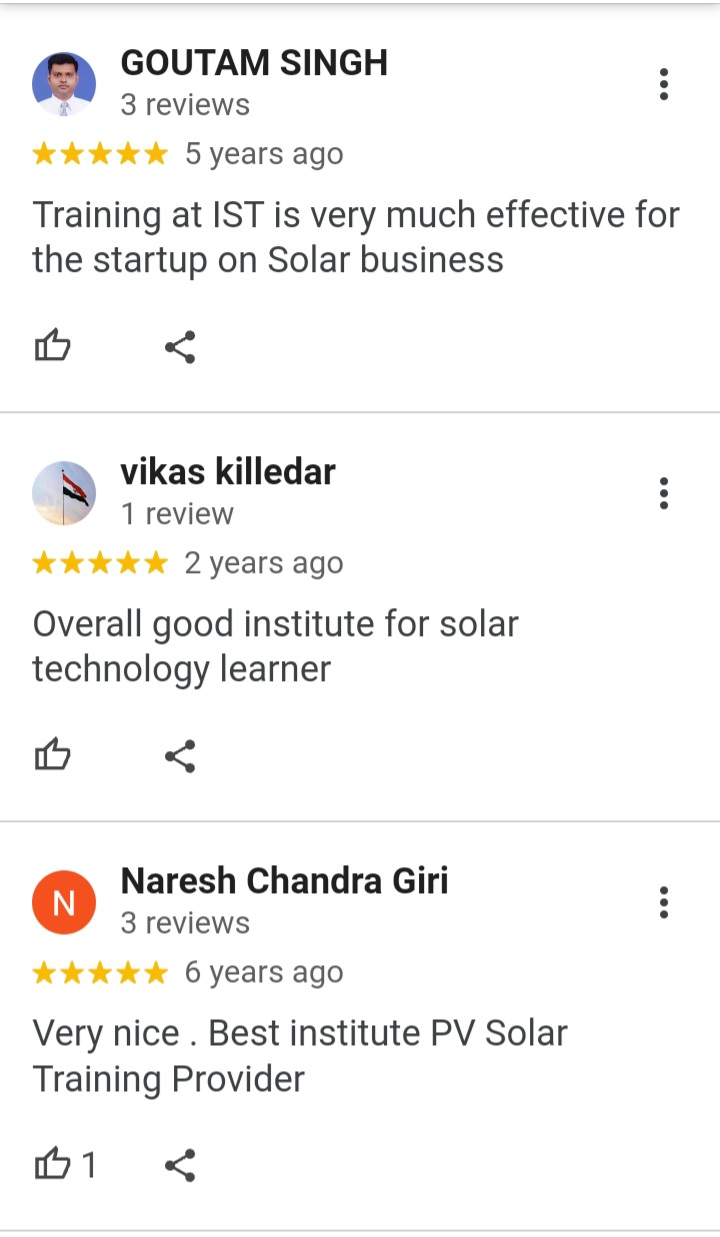
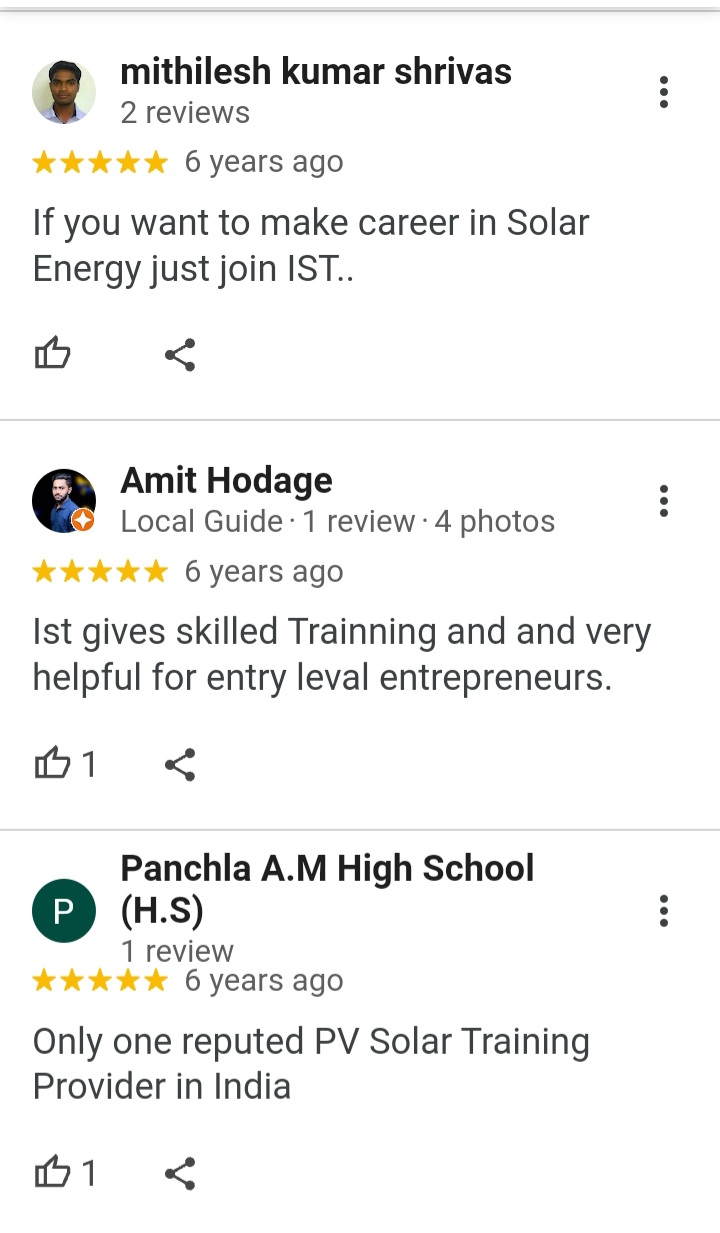
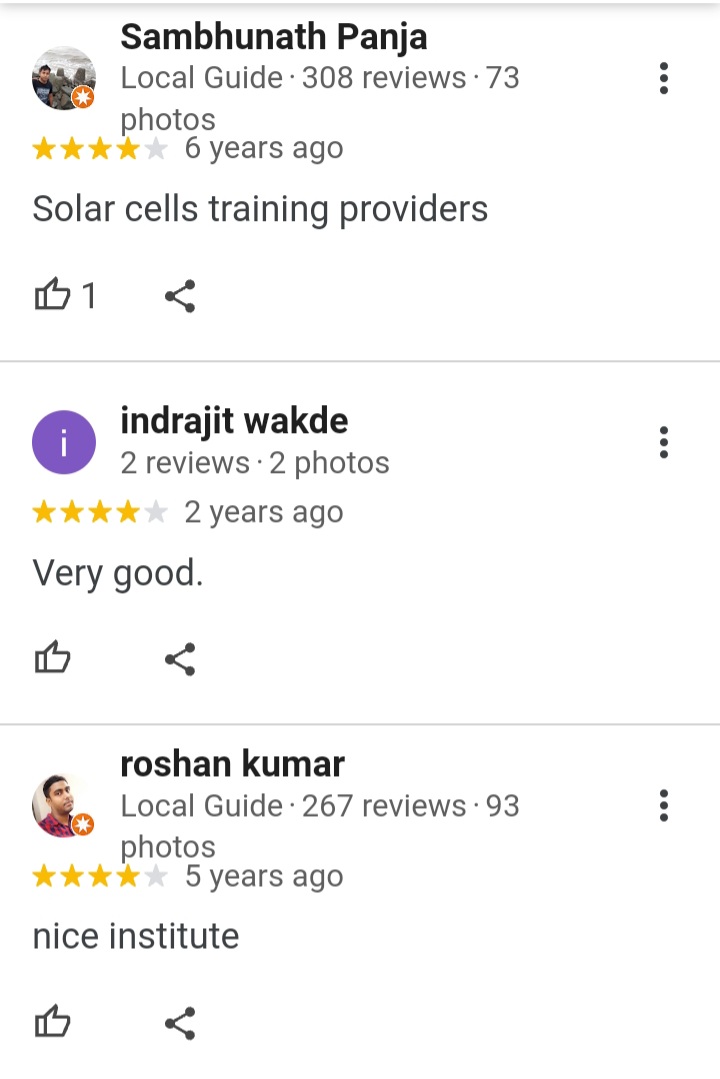
The Institute of Solar Technology (IST) focuses on practical solar energy education and industry-oriented technical training.
Our solar training approach helps learners understand the technical and commercial aspects of solar power systems.
Training areas can include:
Solar PV technology and fundamentals.
Rooftop solar system design.
Solar power plant installation.
Solar electrical engineering.
Solar project planning and execution.
Solar project costing and estimation.
Solar PV simulation software.
Testing and commissioning.
Solar operation and maintenance.
10. Start Your Career in the Solar Energy Industry
The demand for skilled solar professionals is increasing as residential, commercial, industrial, and utility-scale solar projects continue to expand.
Becoming a Solar Project Manager requires a combination of technical knowledge, practical installation experience, project management skills, and professional development.
Start learning solar technology, gain practical experience, and build the skills required to manage solar projects successfully.
Institute of Solar Technology (IST)
Develop your solar technical knowledge and prepare for career opportunities in the renewable energy industry.
Website: https://istpvsolarsimulator.com/