Introduction
Solar panel manufacturing is one of the fastest-growing sectors in the renewable energy industry. With increasing demand for clean and sustainable energy, solar photovoltaic (PV) technology is creating excellent opportunities for entrepreneurs, engineers, technicians, students, and renewable energy professionals.
The Solar Panel Manufacturing Process Project Report PDF by the Institute of Solar Technology (IST) is designed to provide technical knowledge about solar PV module manufacturing, machinery requirements, raw materials, production processes, quality control, testing procedures, and project planning.
Solar Project Design Master Course (Rooftop and Large solar system)
 Huge job opportunity Solar Design engineer job
Search Solar Design Engineer Job
For working professionals, early morning or night class slot available
👉 Introduce with Mentor
Solar Power Plant Releated Cloud Software access -
👉Know about IST SunPower System solar software
- Site Assessment
- Hybrid On-Grid System Simulation
- Solar DCDB Design
- Solar ACDB Design
- Solar Power Plant SLD
- Solar Project Quotation
- Solar Project Bankability Report
- Solar Power Plant BOQ
Admission going on for 4th Batch of Dec - 2026
What Is Solar Panel Manufacturing?
Solar panel manufacturing is the industrial process of converting solar cells into photovoltaic modules capable of generating electricity from sunlight.
A solar PV module consists of interconnected solar cells, tempered glass, encapsulation material (EVA or POE), backsheet or rear glass, aluminium frame, junction box, and electrical connectors.
Solar Panel Manufacturing Process – Step by Step
1. Raw Material Procurement
The main raw materials required for solar panel manufacturing include:
Solar photovoltaic cells
Tempered solar glass
EVA or POE encapsulation film
Backsheet or rear glass
Aluminium frame
Junction box
Solar cables and connectors
Sealant and adhesives
2. Solar Cell Testing and Sorting
Solar cells are inspected and classified according to electrical parameters such as power, current, voltage, and efficiency to ensure consistent module performance.
3. Solar Cell Cutting
Solar cells may be cut into half-cells or smaller segments using suitable laser cutting equipment, depending on the module design.
4. Solar Cell Stringing and Tabbing
Solar cells are interconnected using copper ribbons through an automated solar cell stringer machine. This process creates electrical strings for the solar module.
5. Solar Module Layup
The solar glass, encapsulation film, interconnected solar cells, and backsheet or rear glass are arranged in the required layer sequence.
6. EL Testing – Pre-Lamination
Electroluminescence testing is performed to identify microcracks, cell damage, and other defects before lamination.
7. Solar Panel Lamination
The assembled module is placed inside a solar laminator. Heat, vacuum, and controlled pressure bond the different layers together.
8. Trimming and Edge Cleaning
Excess encapsulation material is removed, and the module edges are cleaned and prepared for framing.
9. Aluminium Frame Installation
An aluminium frame is fitted around the solar module to provide mechanical strength and support.
10. Junction Box Installation
The junction box is installed at the rear of the module. It contains bypass diodes and provides electrical connections through solar cables and connectors.
11. Final EL Testing
The module undergoes another electroluminescence inspection to identify defects introduced during manufacturing.
12. Sun Simulator Testing
The finished solar module is tested using a solar simulator or flash tester to measure:
Maximum Power (Pmax)
Open Circuit Voltage (Voc)
Short Circuit Current (Isc)
Voltage at Maximum Power (Vmp)
Current at Maximum Power (Imp)
Module efficiency
13. Final Quality Inspection and Packaging
The completed module is inspected, labelled, documented, and packed for transportation and distribution.
Solar Panel Manufacturing Machinery
Major machinery and equipment required for a solar PV module manufacturing plant include:
Solar cell testing and sorting machine
Laser cutting machine
Automatic solar cell stringer
Solar module layup station
EL testing machine
Solar module laminator
Trimming machine
Aluminium framing machine
Junction box fixing machine
Sun simulator / flash tester
Hi-Pot and insulation resistance tester
Module cleaning and packaging equipment
Solar Panel Manufacturing Plant Project Report Contents
A complete manufacturing project report should cover:
Solar PV module manufacturing technology
Manufacturing process flow chart
Plant capacity and production planning
Factory layout and infrastructure
Raw material specifications
Machinery and equipment specifications
Manpower requirements
Electrical power and utility requirements
Quality control and testing procedures
BIS and applicable IEC standards
Investment and project cost estimation
Working capital requirements
Production cost calculation
Marketing and business opportunities
Financial feasibility and profitability analysis
Solar Panel Manufacturing Training at IST
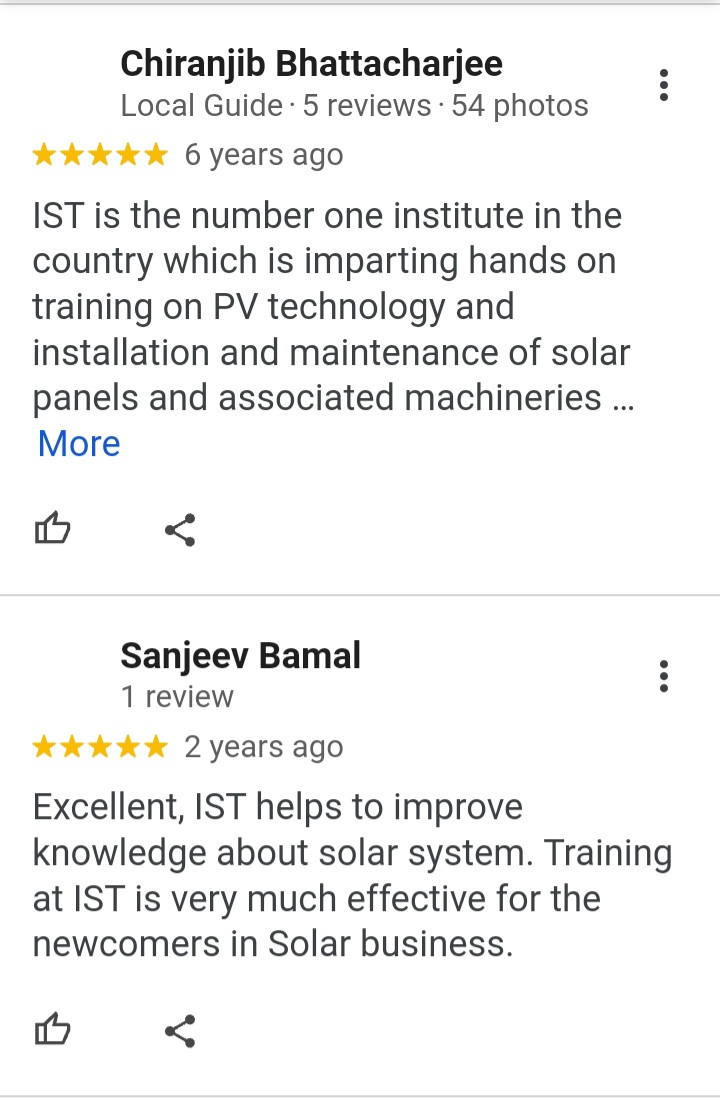
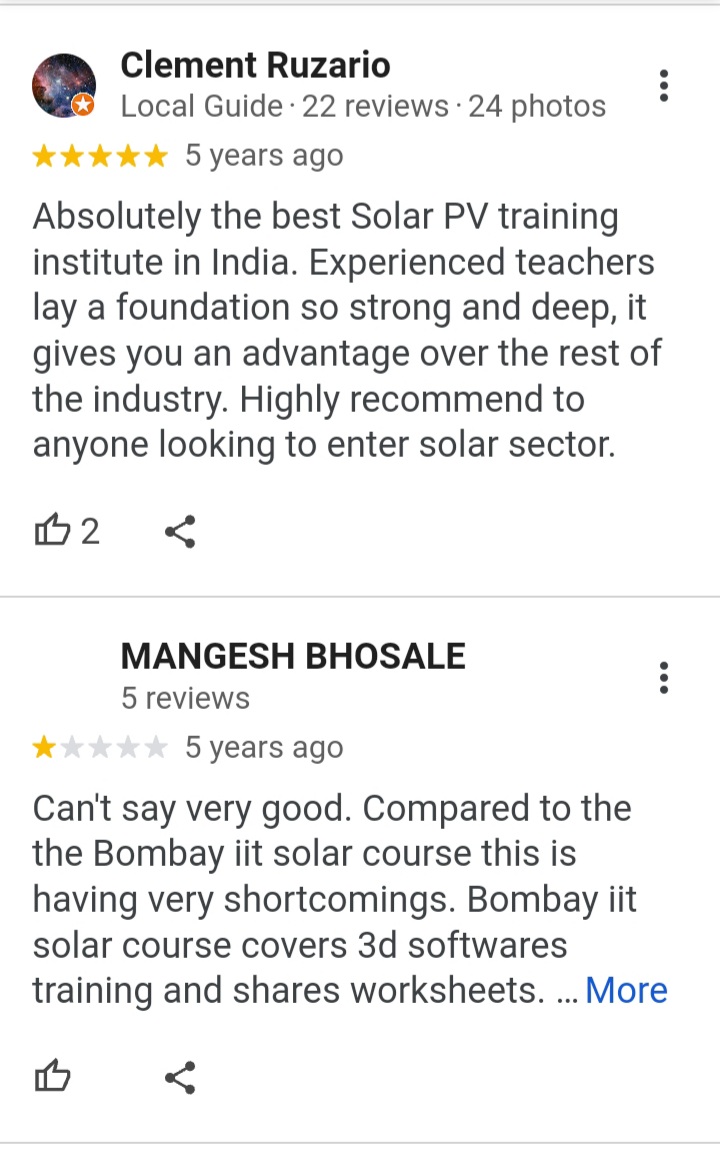
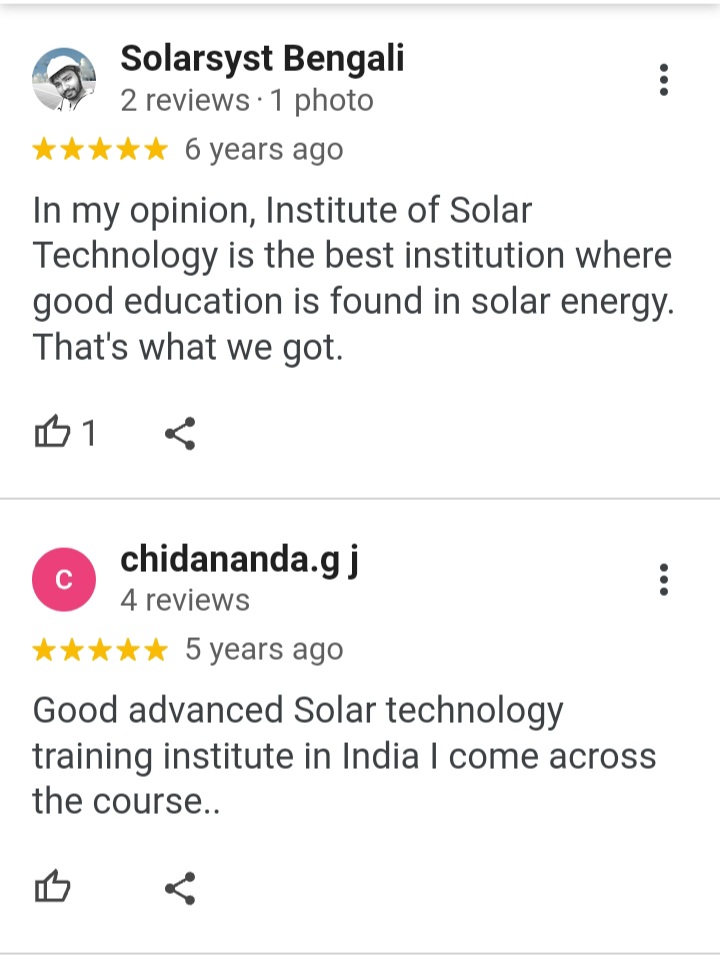
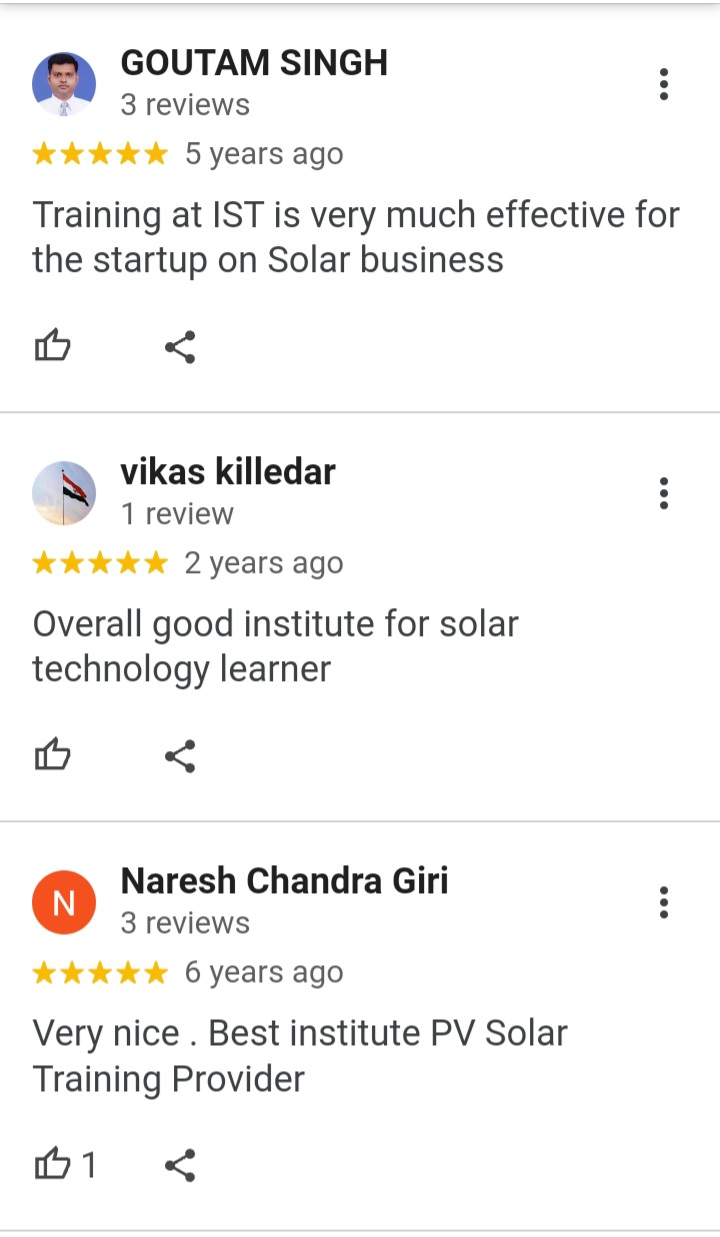
The Institute of Solar Technology (IST) provides practical and technical learning opportunities in solar energy technologies, including solar PV systems, solar module manufacturing concepts, electrical testing, quality control, and renewable energy applications.
The training is suitable for:
Engineering students
Diploma and ITI students
Solar technicians
Entrepreneurs and business owners
Solar installation companies
Renewable energy professionals
Individuals interested in starting a solar manufacturing business
Career and Business Opportunities
Solar panel manufacturing creates opportunities in production engineering, quality control, module testing, factory management, equipment operation, solar project development, and renewable energy entrepreneurship.
Understanding the manufacturing process helps learners develop the technical foundation required to enter the solar manufacturing industry.
Conclusion
The Solar Panel Manufacturing Process Project Report PDF is a useful learning resource for understanding solar PV module production, machinery, raw materials, manufacturing stages, testing, and quality control. Proper technical knowledge and project planning are essential for establishing a successful solar module manufacturing business.
Learn Solar Technology with Institute of Solar Technology (IST).
Website: https://istpvsolarsimulator.com/