Solar energy is becoming increasingly popular in Tanzania as households, businesses, industries, farms, and commercial establishments look for affordable and reliable electricity solutions. With abundant sunlight throughout the year, Tanzania has excellent potential for solar power generation. Understanding the solar panel price in Tanzania is important for anyone planning to install a rooftop solar system, an off-grid solar power system, or a commercial solar project.
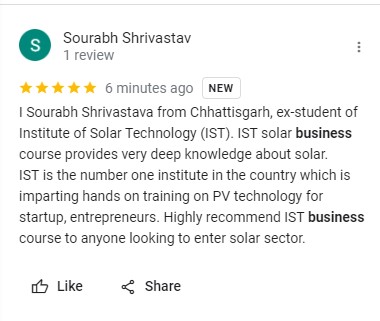
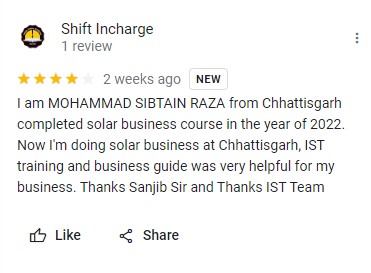
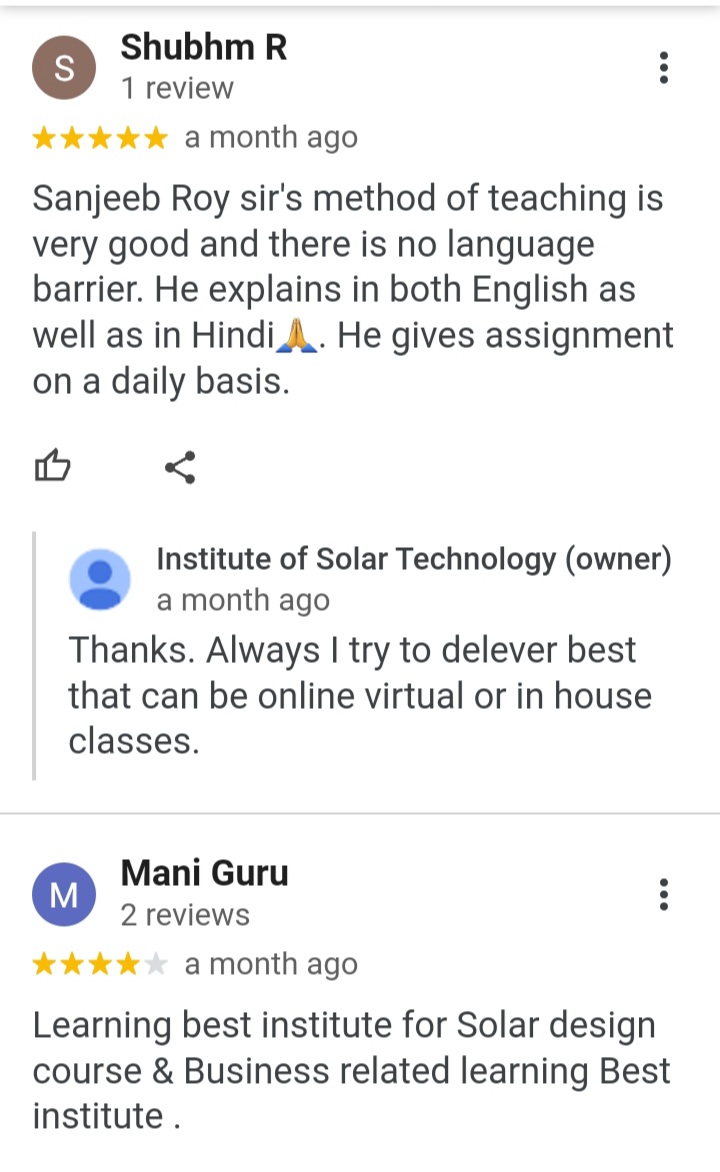
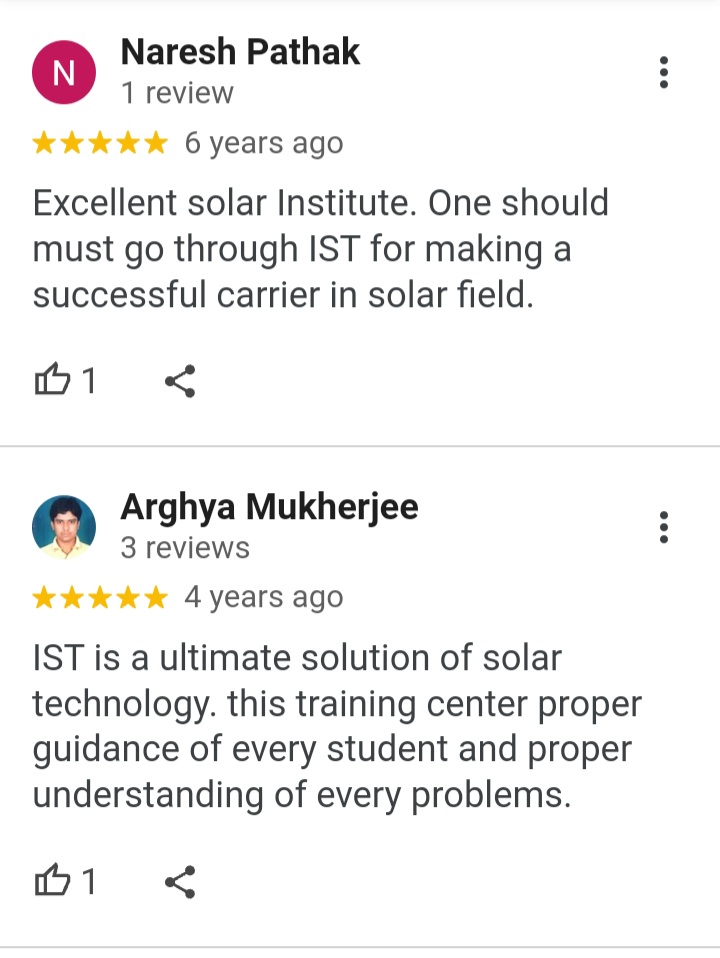
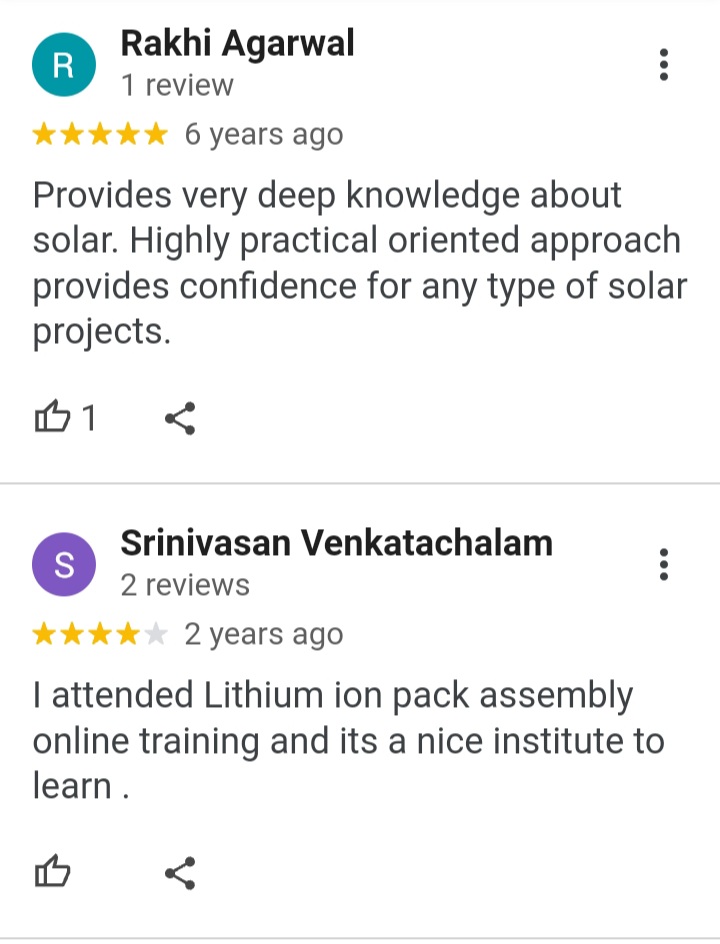
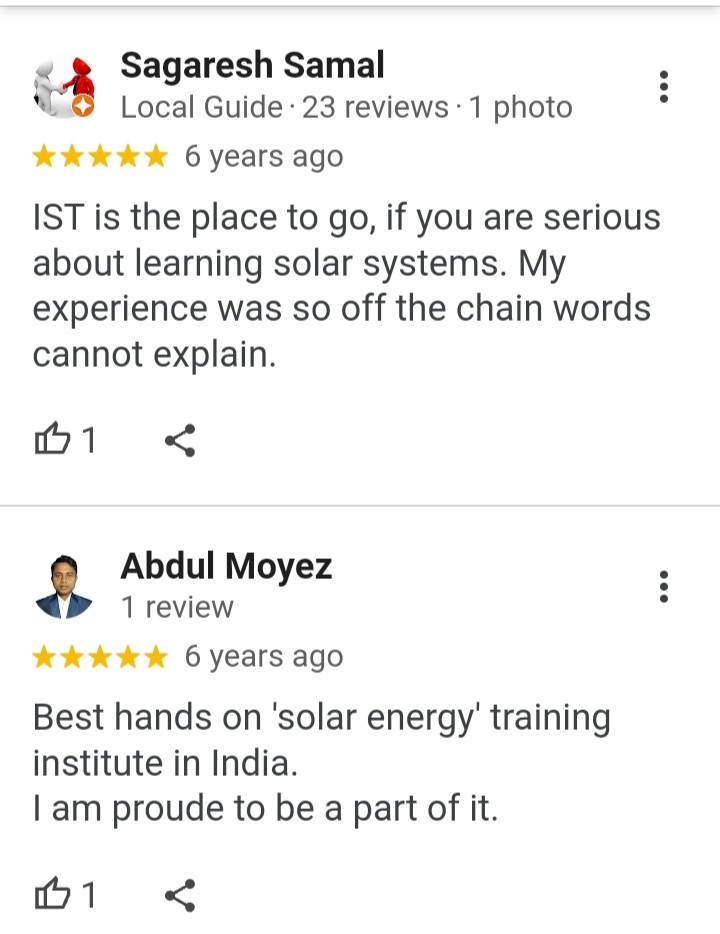
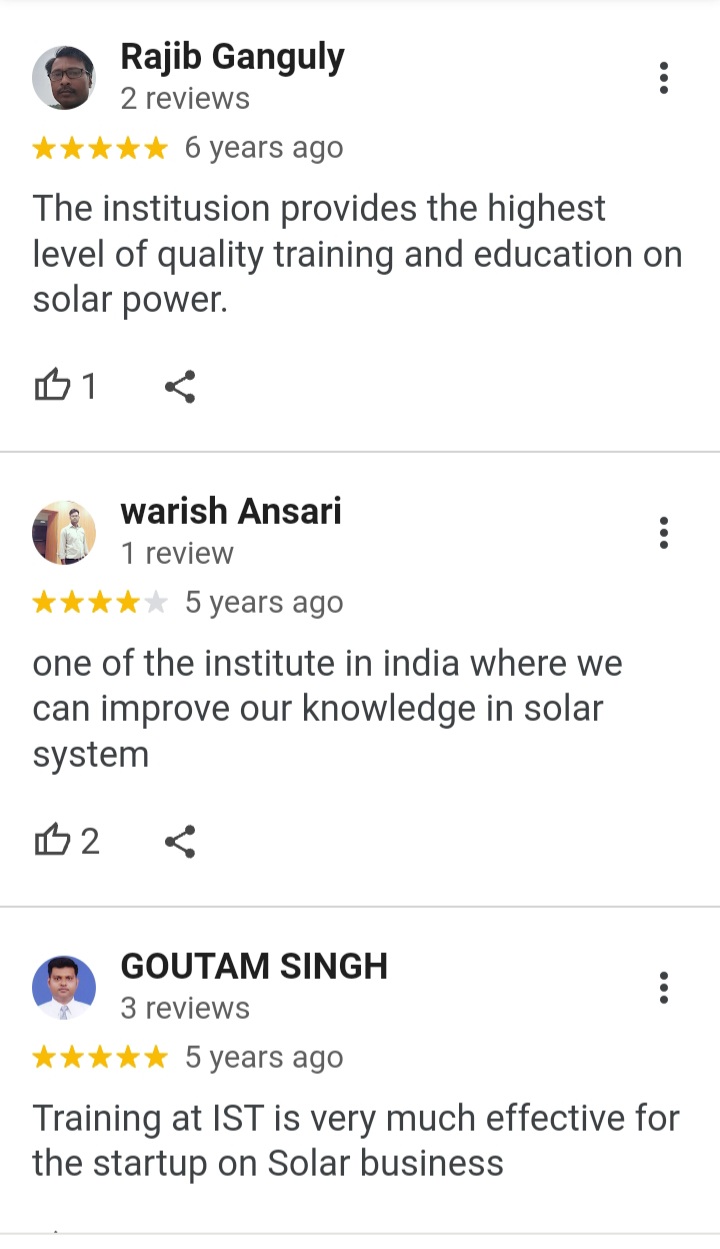
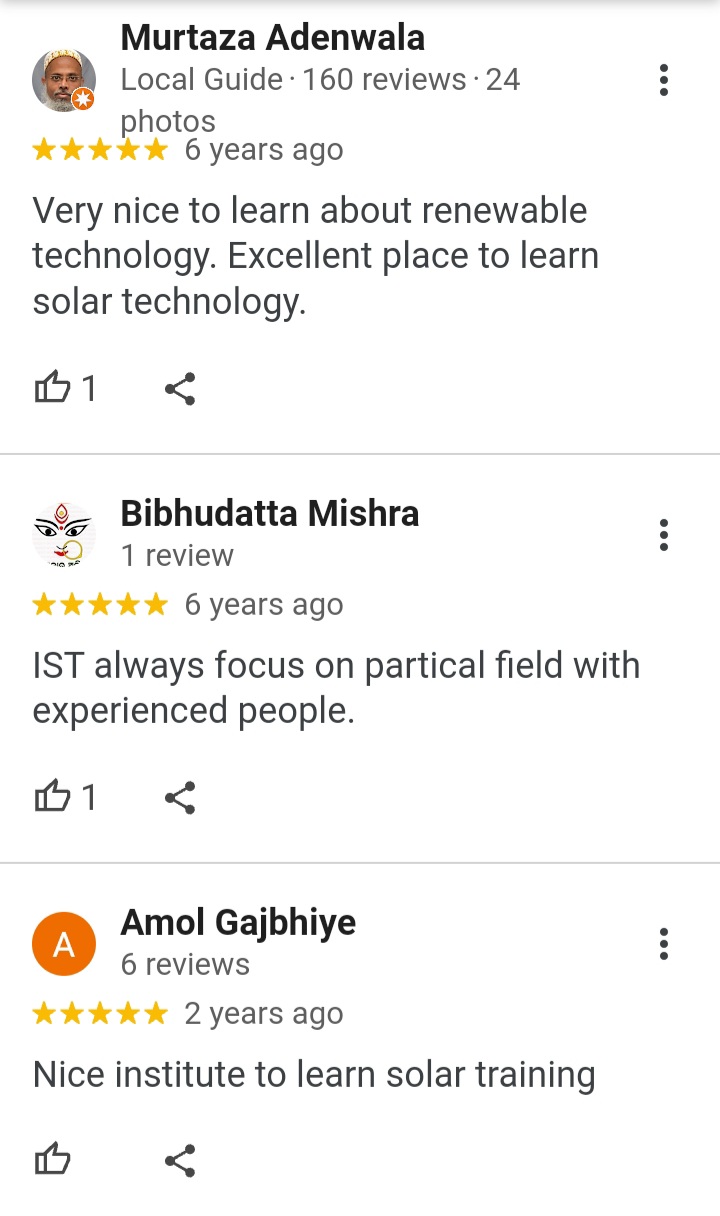
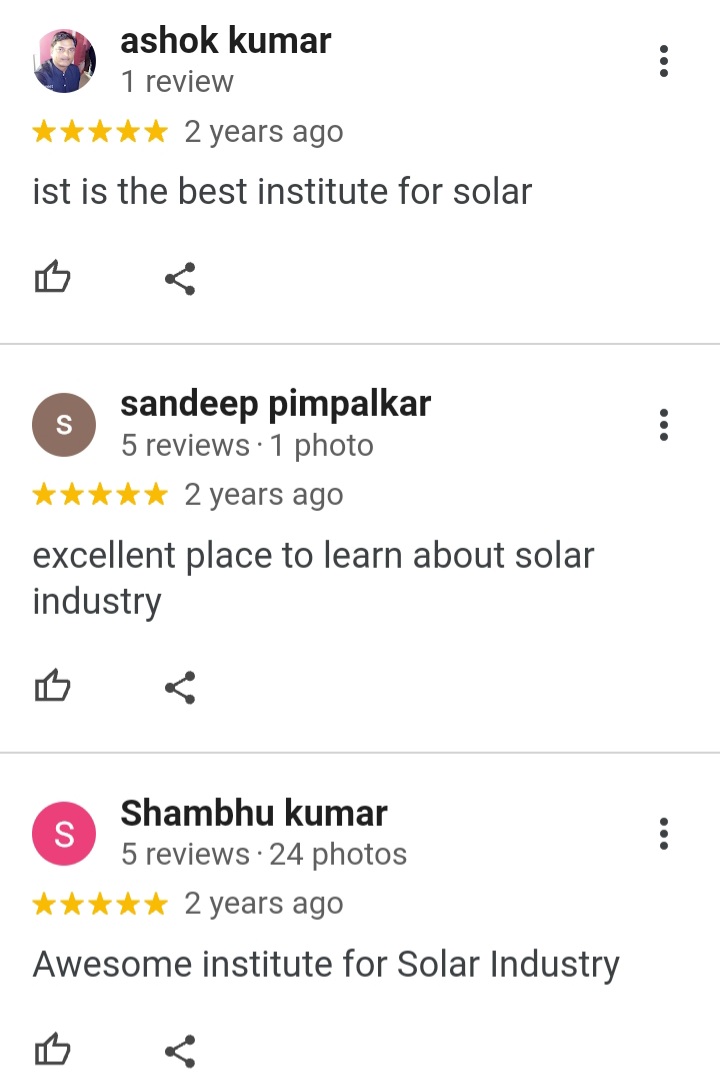
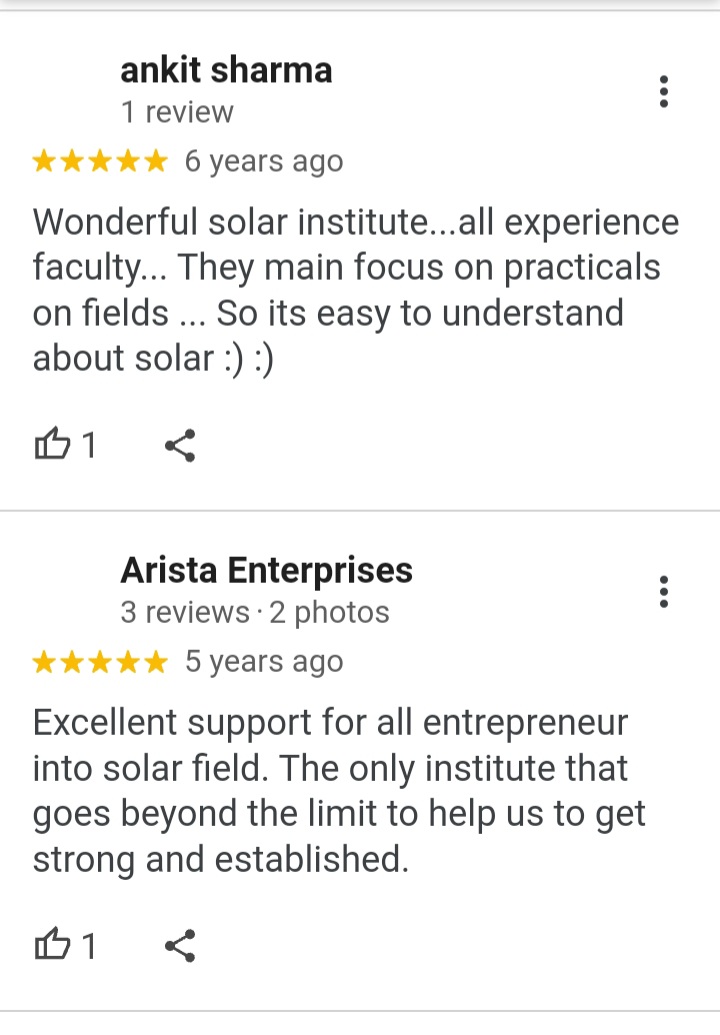
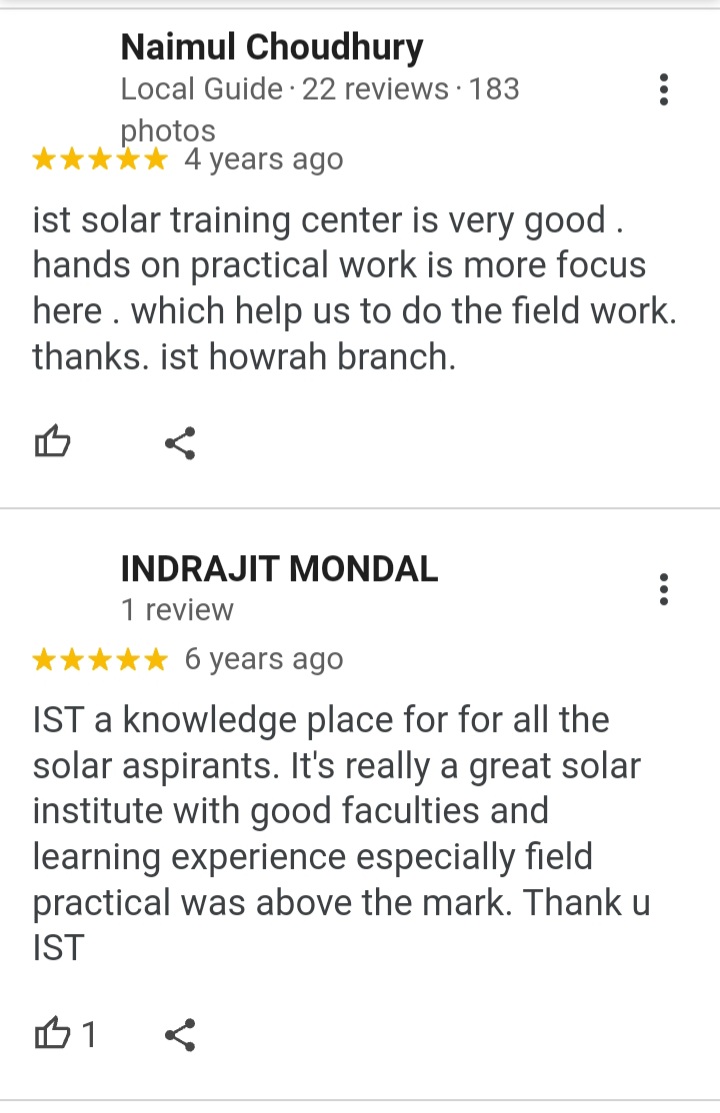
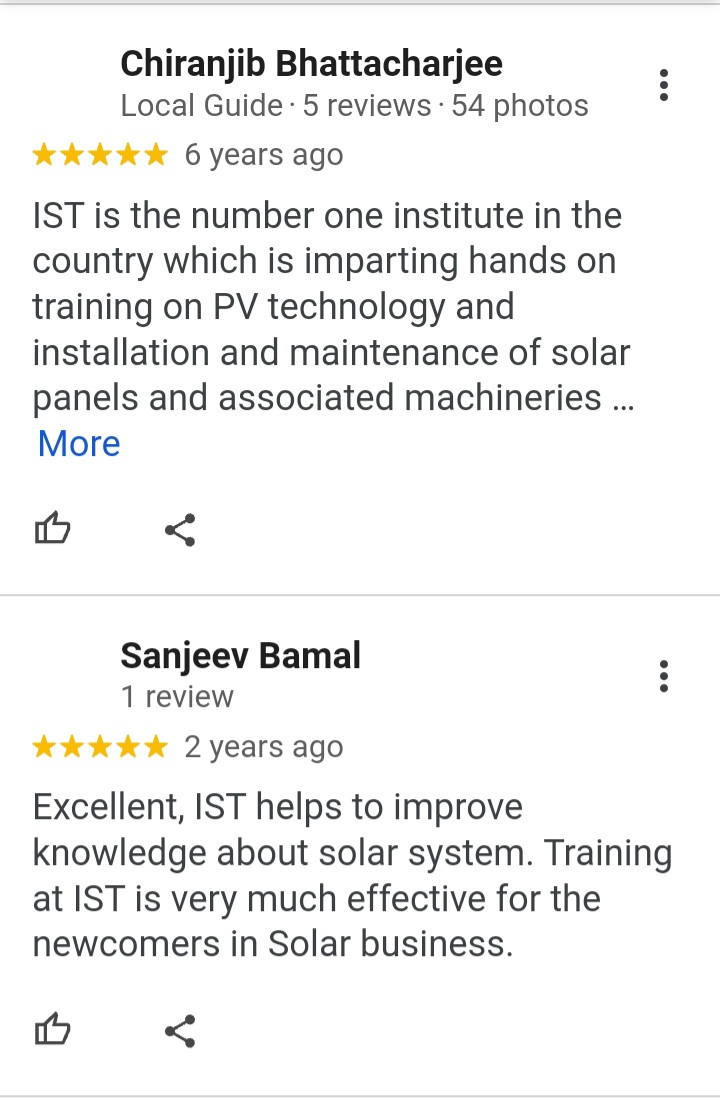
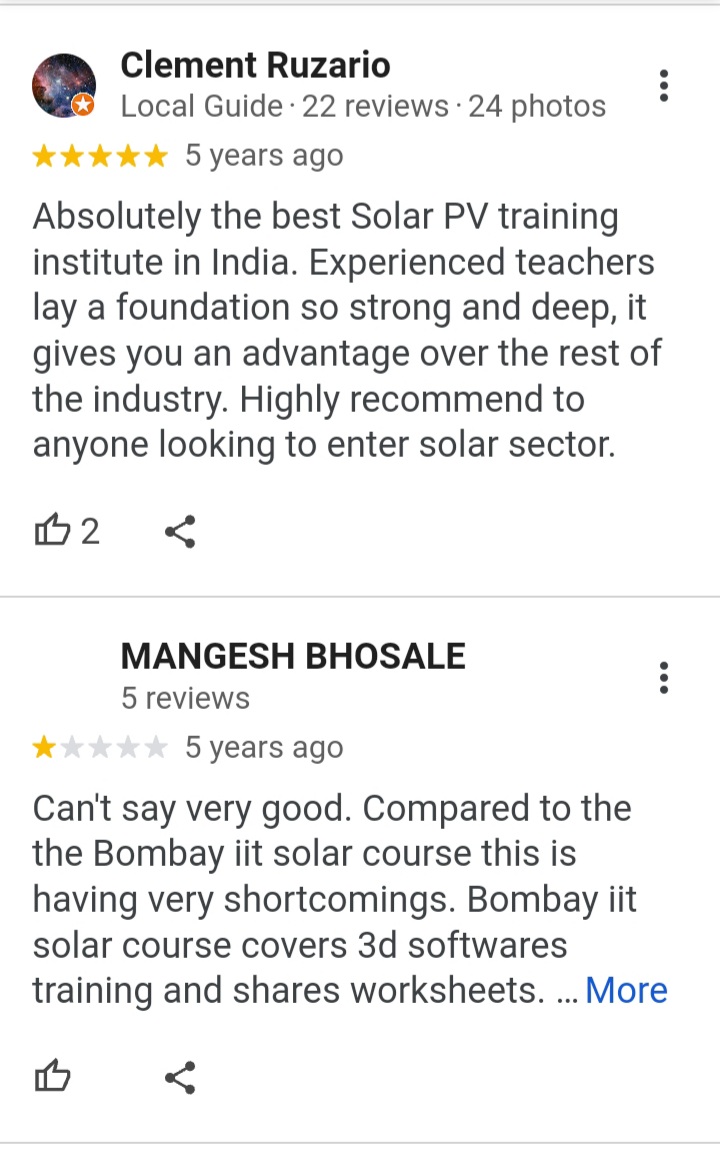
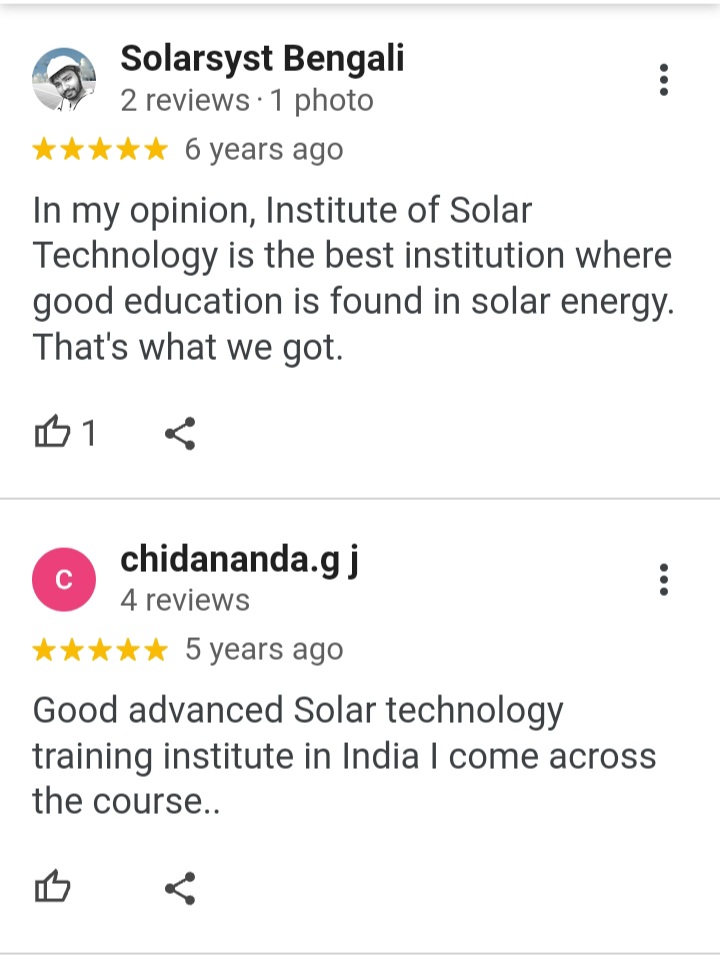
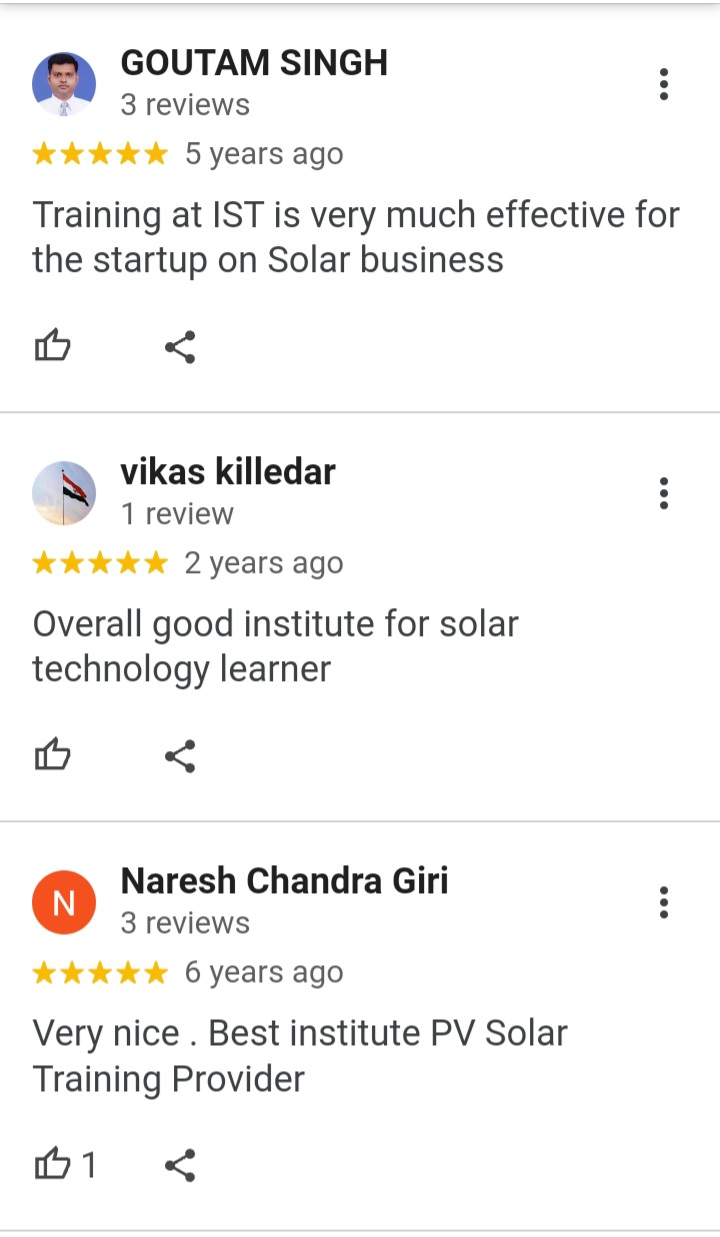
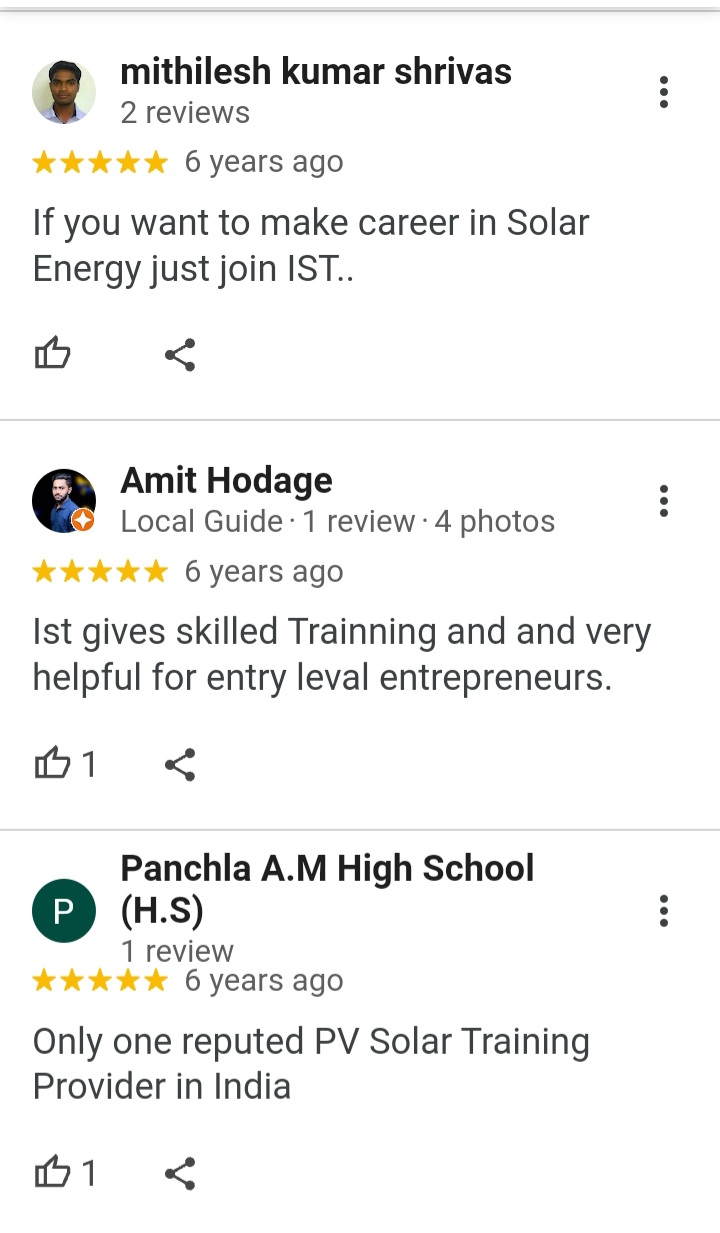
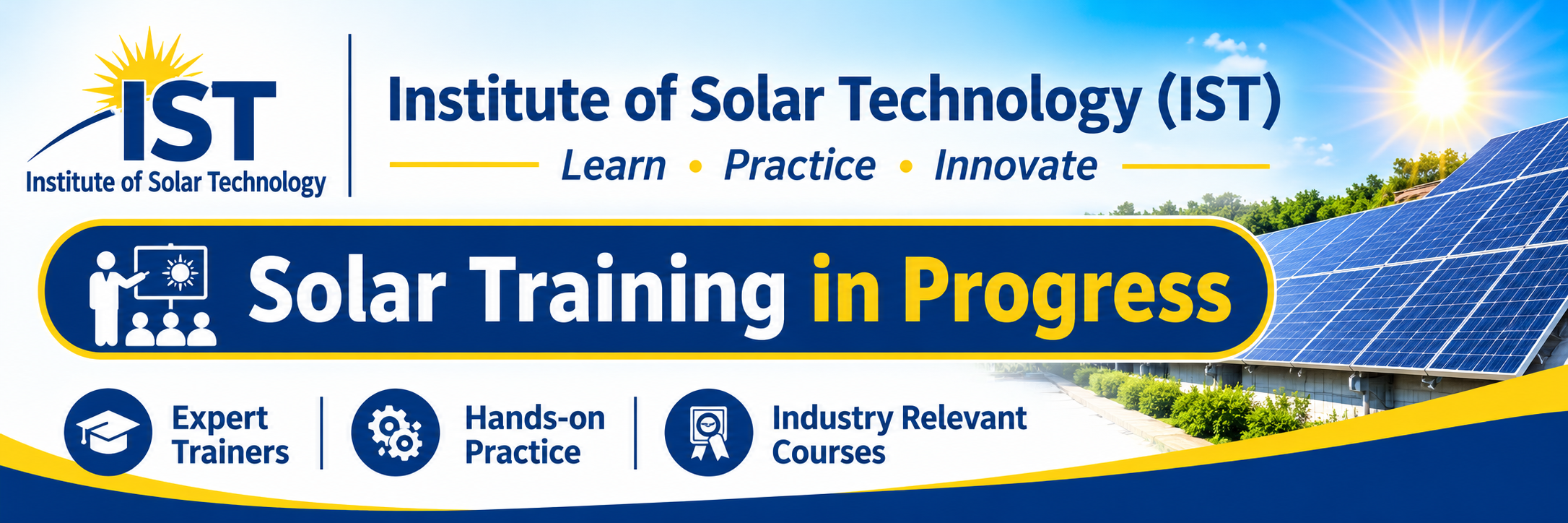
The Institute of Solar Technology (IST) provides practical solar training and technical education to help students, entrepreneurs, electricians, engineers, and solar professionals develop the skills required to work in the growing solar energy industry.
Solar Project Design Master Course (Rooftop and Large solar system)
 Huge job opportunity Solar Design engineer job
Search Solar Design Engineer Job
For working professionals, early morning or night class slot available
👉 Introduce with Mentor
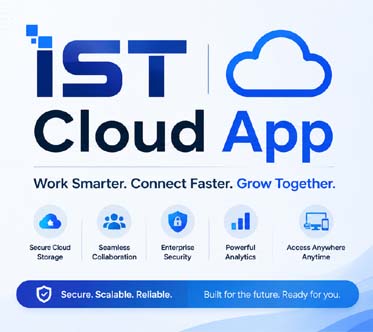
Solar Power Plant Releated Cloud Software access -
👉Know about IST SunPower System solar software
- Site Assessment
- Hybrid On-Grid System Simulation
- Solar DCDB Design
- Solar ACDB Design
- Solar Power Plant SLD
- Solar Project Quotation
- Solar Project Bankability Report
- Solar Power Plant BOQ
Admission going on for 4th Batch of Dec - 2026
1. Solar Panel Price in Tanzania
The price of solar panels in Tanzania depends on several factors, including panel capacity, technology, brand, efficiency, quality, and supplier. Solar panels are commonly available in different capacities, such as 100W, 200W, 330W, 450W, 550W, and 600W.
Some important factors affecting solar panel prices include:
Solar panel wattage and efficiency
Monocrystalline or polycrystalline technology
TOPCon and other advanced solar cell technologies
Manufacturer and product warranty
Import duties, transportation, and distribution costs
Local supplier availability
For an accurate purchase decision, buyers should compare current quotations from authorized solar suppliers in Tanzania.
2. Types of Solar Panels Available in Tanzania
Monocrystalline Solar Panels
Monocrystalline solar panels offer high efficiency and are suitable for residential, commercial, and industrial solar installations.
Polycrystalline Solar Panels
Polycrystalline panels are an older technology and may be available at competitive prices, although their efficiency is generally lower.
TOPCon Solar Panels
N-type TOPCon solar panels offer improved efficiency and performance characteristics, making them suitable for modern rooftop and large-scale solar projects.
3. Solar System Components and Their Costs
A complete solar power system requires more than solar panels. Important components include:
Solar PV modules
Solar inverter
Lithium-ion or lead-acid batteries
Solar charge controller
DC distribution box (DCDB)
AC distribution box (ACDB)
DC and AC cables
Mounting structures
Earthing and lightning protection
Installation and commissioning accessories
The total installation cost depends on system capacity, battery backup requirements, component quality, and installation complexity.
4. Popular Solar Power System Capacities
Different solar system capacities are suitable for different electricity requirements.
| Solar System | Common Application |
|---|---|
| 1 kW | Small homes and basic loads |
| 2 kW | Small residential applications |
| 3 kW | Medium-sized households |
| 5 kW | Large homes and small businesses |
| 10 kW | Commercial applications |
| 20 kW | Commercial buildings and institutions |
| 50 kW | Industrial and commercial projects |
Actual system sizing should be based on electricity consumption, peak load, operating hours, and backup requirements.
5. Benefits of Solar Energy in Tanzania
Solar energy provides several advantages:
Reduces dependence on conventional electricity sources.
Helps reduce long-term electricity expenses.
Provides electricity in remote and rural locations.
Supports agricultural irrigation and water pumping.
Provides backup electricity during power interruptions.
Supports environmentally sustainable development.
Creates employment and business opportunities.
6. Solar Panel Installation Training in Tanzania
The increasing demand for solar power systems creates opportunities for trained solar technicians, engineers, installers, and entrepreneurs.
The Institute of Solar Technology (IST) focuses on practical and technical solar training to help learners understand the complete solar installation process.
Important training topics include:
Solar PV technology and fundamentals
Solar panel specifications and selection
Solar PV system design and sizing
Solar panel installation techniques
Solar inverter installation and configuration
Lithium battery technology
DC and AC cable sizing
Earthing and electrical protection
Solar system troubleshooting and maintenance
On-grid, off-grid, and hybrid solar systems
Solar project planning and commissioning
7. Why Choose the Institute of Solar Technology (IST)?
The Institute of Solar Technology aims to develop skilled professionals for the renewable energy industry through technical education and practical-oriented training.
Our training approach focuses on:
Practical solar PV knowledge
Electrical and solar system design
Installation and commissioning procedures
Solar project development
Technical troubleshooting
Employment and entrepreneurship skills
8. Career Opportunities in Tanzania's Solar Industry
After completing solar technical training, learners can explore career opportunities such as:
Solar PV Installation Technician
Solar Design Engineer
Solar Project Supervisor
Solar Maintenance Technician
Solar Sales and Technical Consultant
Solar Business Entrepreneur
Solar System Commissioning Engineer
9. Conclusion
The demand for solar panels and solar power systems in Tanzania is creating opportunities for homeowners, businesses, installers, and renewable energy entrepreneurs. Before purchasing a solar system, compare solar panel prices, check product warranties, select quality components, and calculate your electricity requirements.
For anyone interested in building a career in the renewable energy sector, practical solar training is an important step towards developing professional skills.
Institute of Solar Technology (IST) supports solar education and technical skill development for the growing solar energy industry.
Learn solar technology, develop practical skills, and become part of the renewable energy future.