Introduction
South Africa is experiencing rapid growth in solar energy installations as households, businesses, industries, and commercial buildings increasingly adopt renewable energy solutions. Small-Scale Embedded Generation (SSEG) systems, particularly rooftop solar PV systems, are becoming an important part of the country's energy transition.
However, installing a solar PV system is not just about mounting solar panels and connecting an inverter. Installers must understand electrical safety, solar PV system design, grid connection requirements, municipal approval procedures, and SSEG registration.
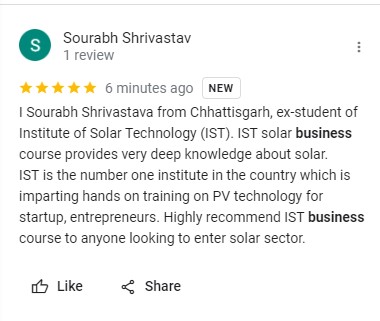
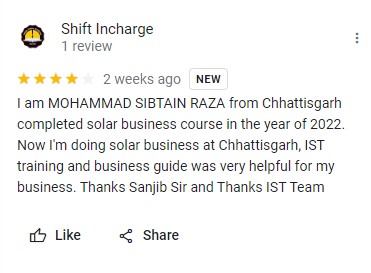
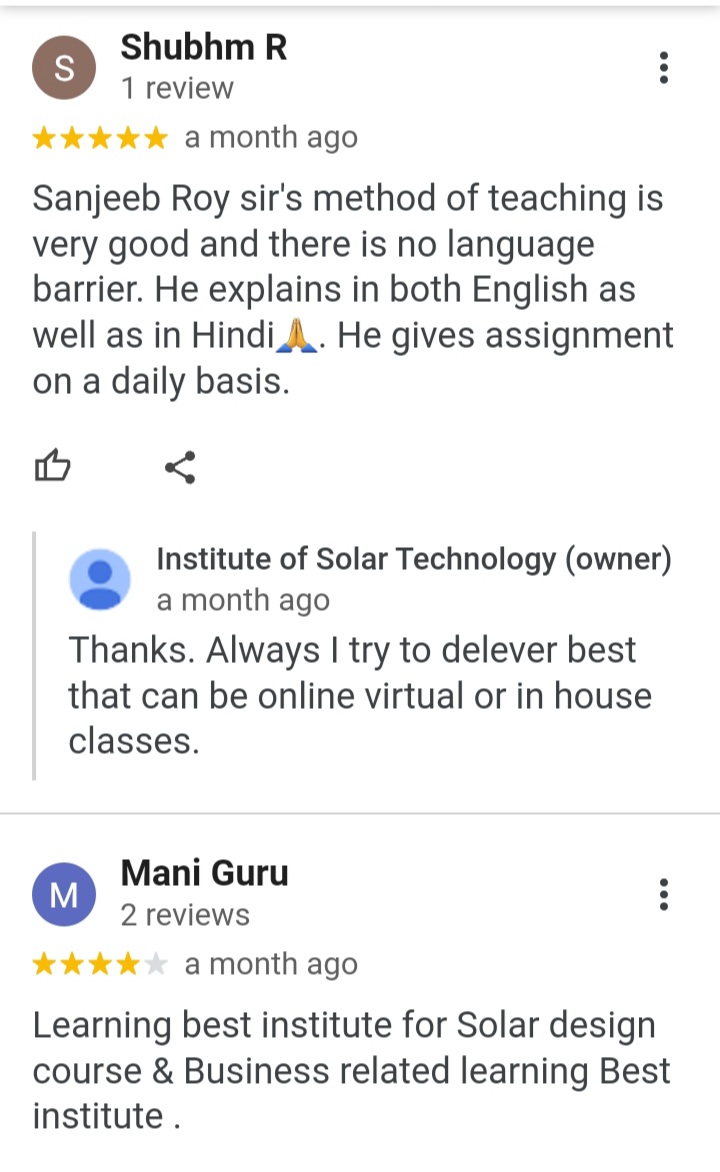
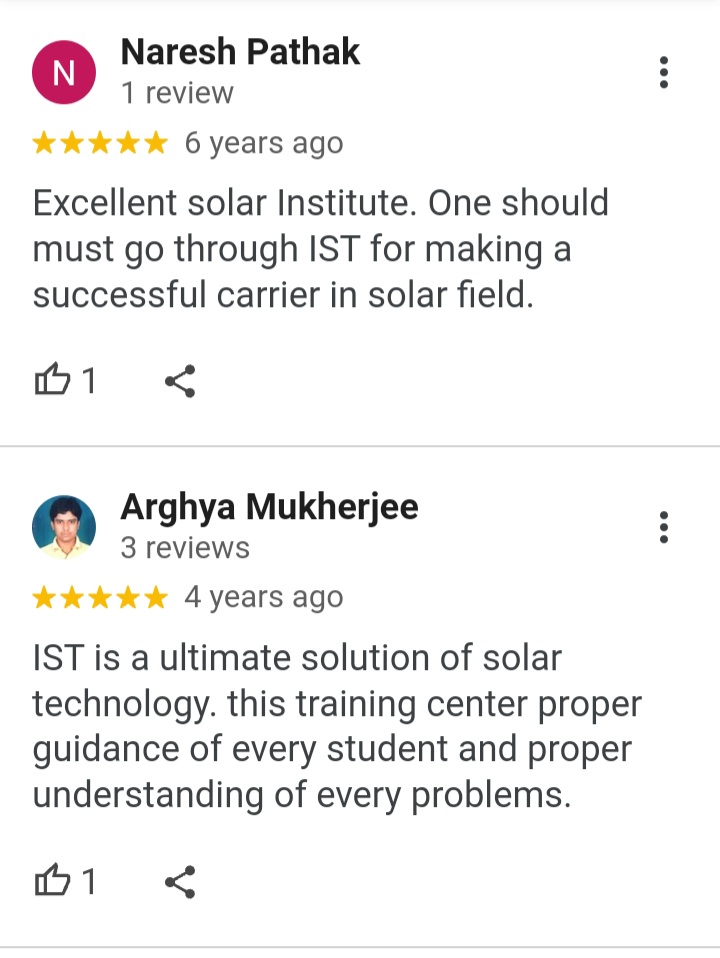
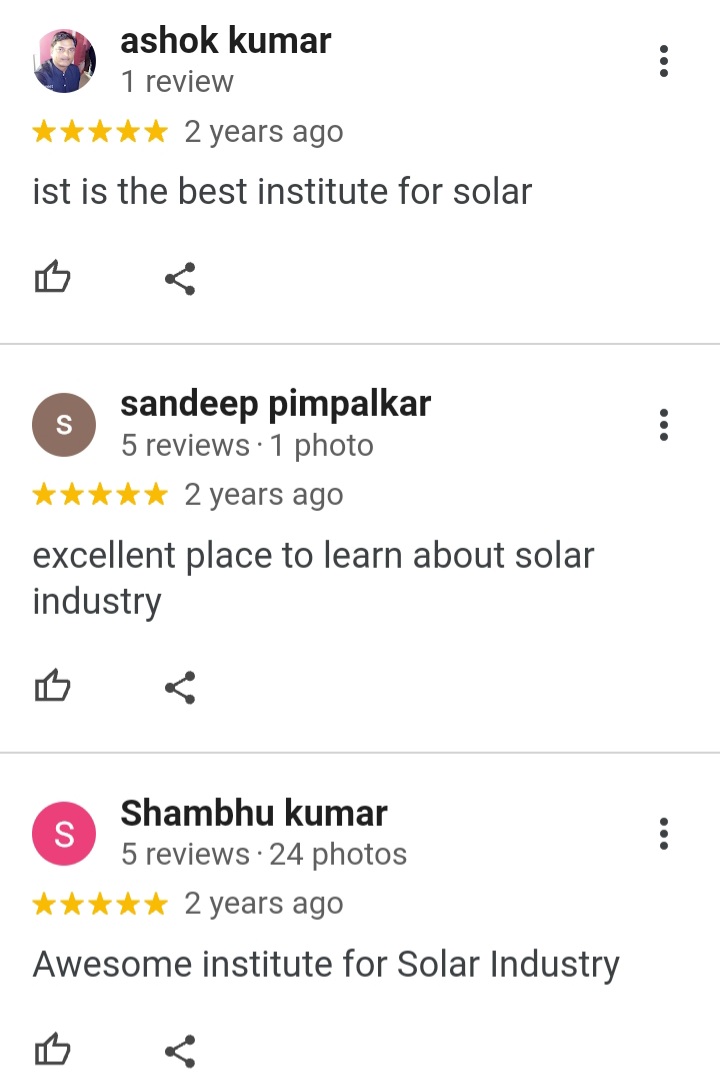
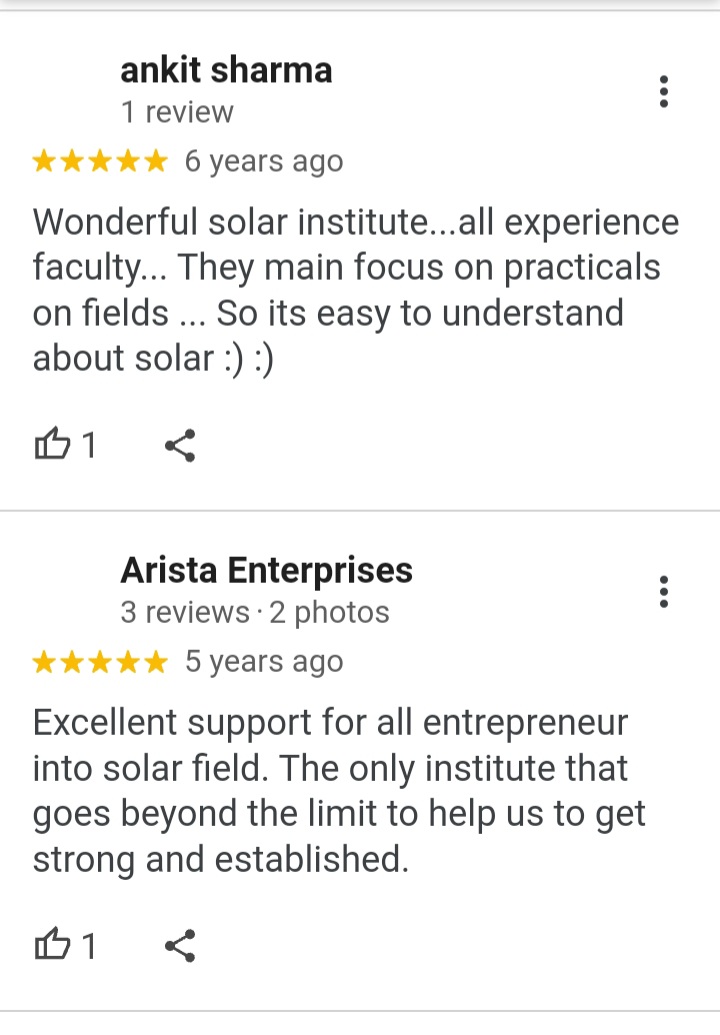
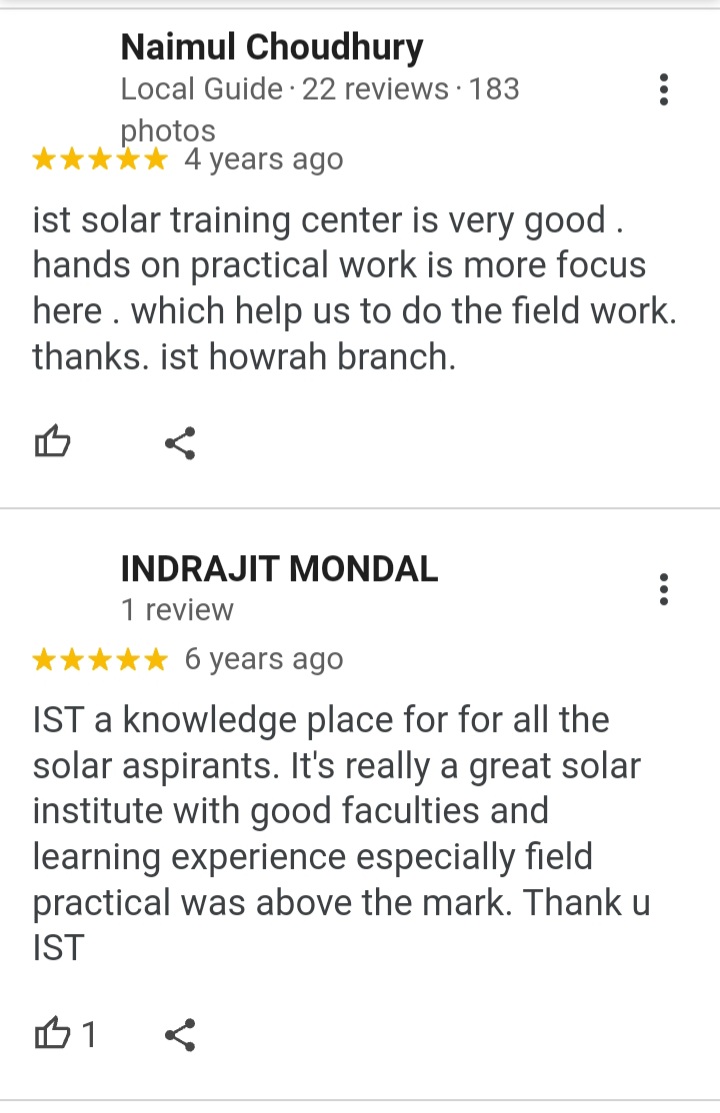
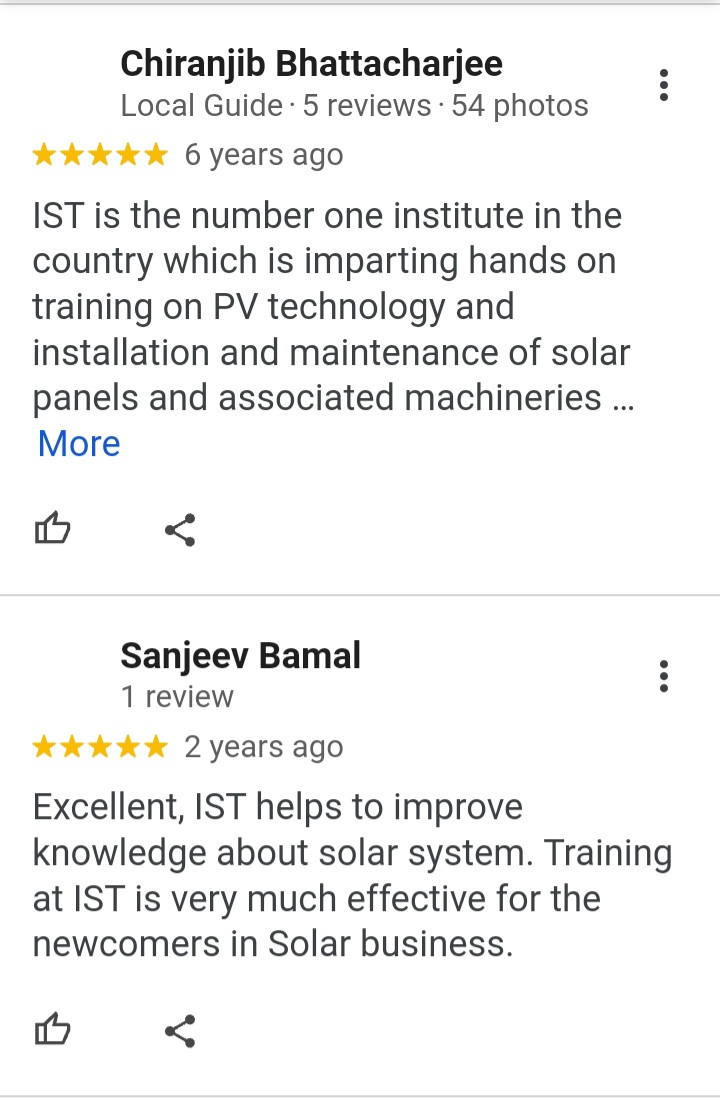
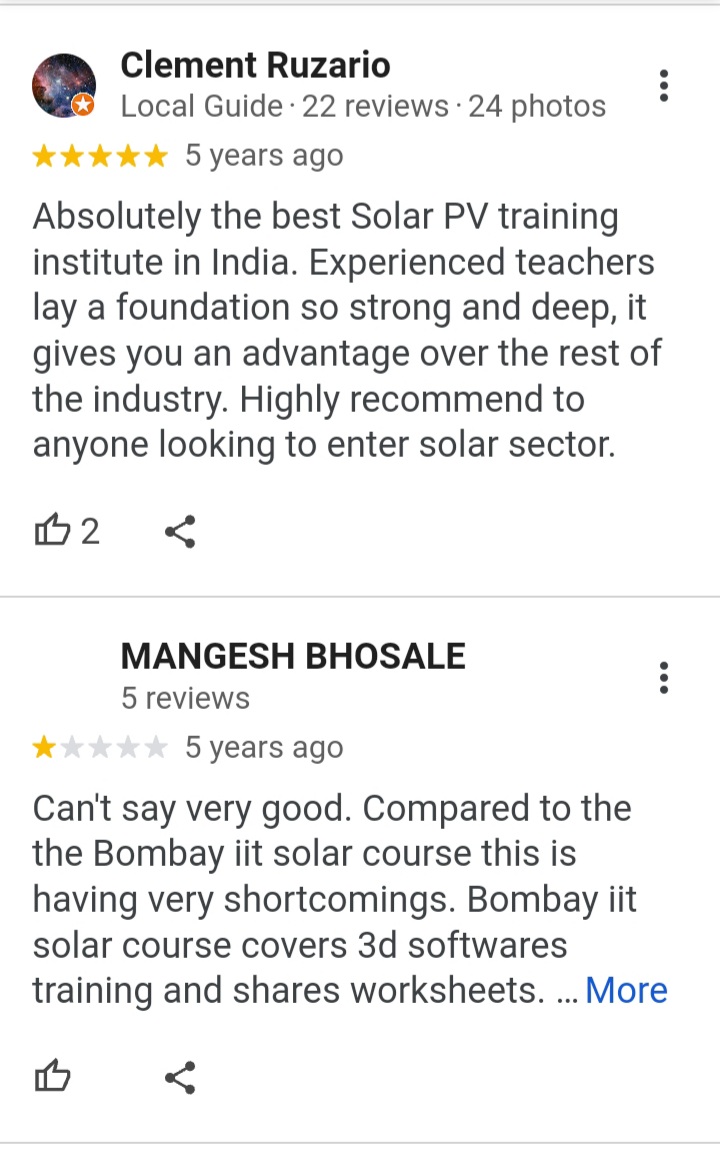
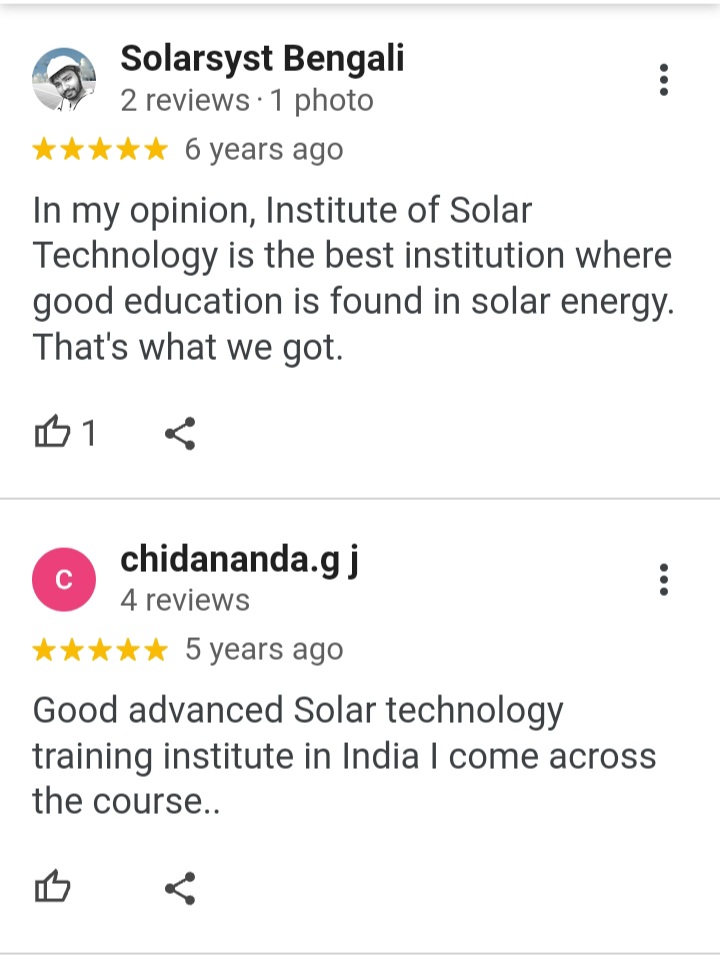
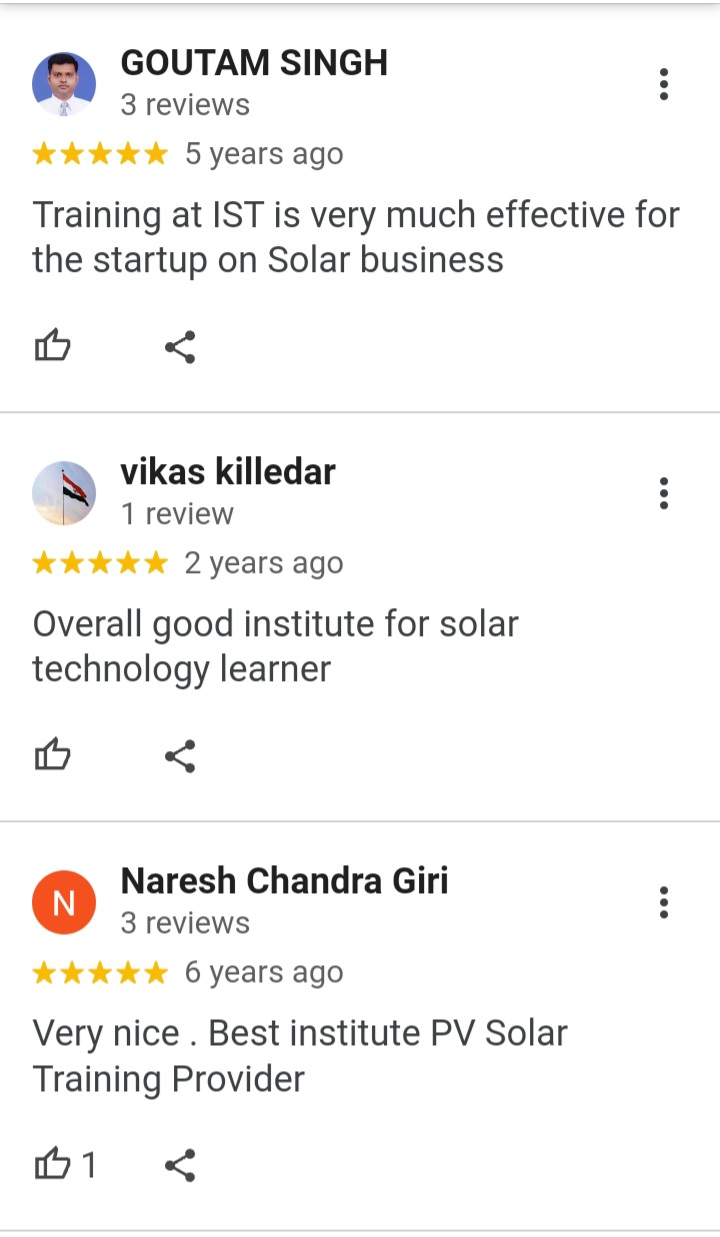
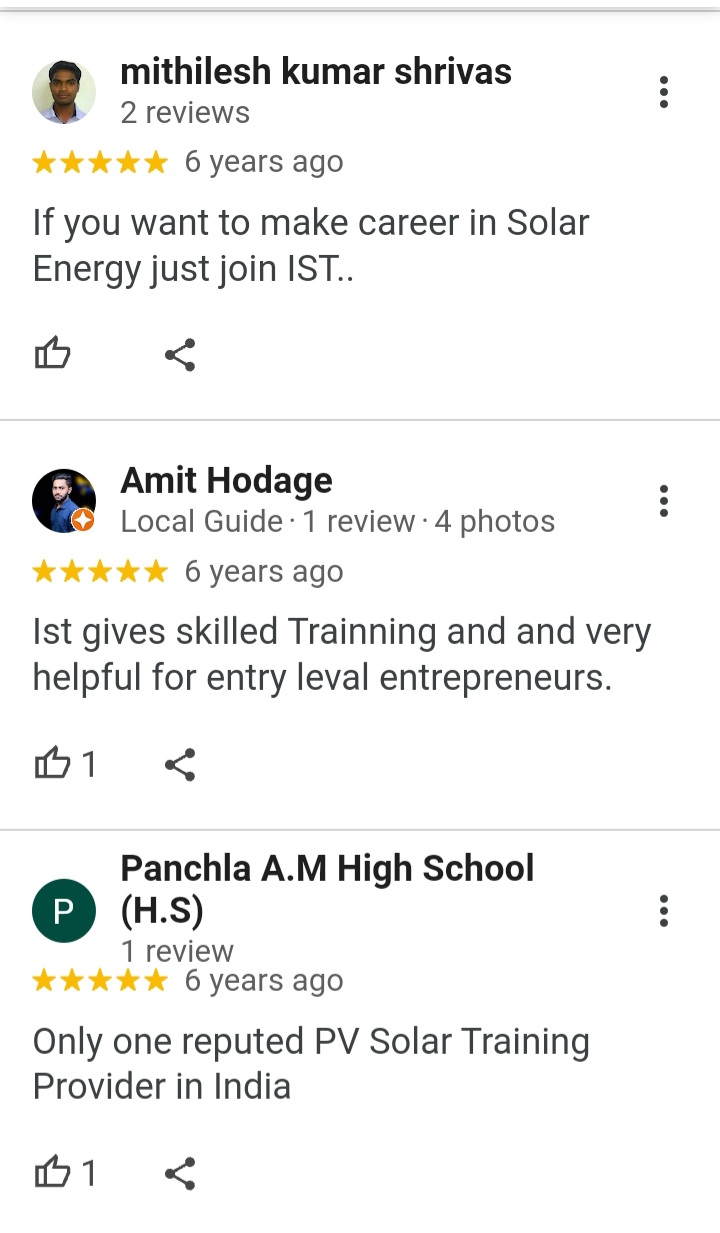
The Institute of Solar Technology (IST) provides professional solar training and technical learning resources to help aspiring and existing solar professionals develop the knowledge and practical skills required for the solar industry.
What Is SSEG?
SSEG stands for Small-Scale Embedded Generation. It refers to small electricity generation systems connected to a distribution network, such as a municipal or utility electricity grid.
Common SSEG technologies include:
Rooftop solar photovoltaic (PV) systems.
Solar PV systems with battery storage.
Grid-connected solar inverters.
Hybrid solar energy systems.
Small-scale renewable energy generation systems.
These systems allow consumers to generate electricity for their own use and, where permitted, export surplus electricity to the grid.
Why Is SSEG Registration Important in South Africa?
In South Africa, grid-connected solar PV installations must comply with applicable national electrical regulations, distribution network requirements, and the relevant municipality's SSEG policies.
SSEG registration helps ensure that solar installations are properly documented, assessed, and approved for grid connection where required.
The registration process may include:
Preparing the solar PV system design.
Selecting approved solar panels and inverters.
Preparing electrical drawings and technical documentation.
Completing the relevant SSEG application.
Providing inverter and equipment certification.
Arranging electrical inspection and compliance documentation.
Obtaining approval before connecting or exporting electricity to the grid.
Requirements differ between municipalities and electricity distributors. Installers should always check the latest requirements applicable to the installation location.
Who Can Become an SSEG Solar Installer?
SSEG installation is a growing professional opportunity for people interested in renewable energy and electrical engineering.
The following professionals can benefit from SSEG training:
Electrical engineers and technicians.
Qualified electricians.
Solar PV installation technicians.
Renewable energy entrepreneurs.
Solar project designers.
EPC contractors.
Electrical contractors.
Solar business owners.
Engineering students and technical professionals.
Appropriate electrical qualifications, registration, and authorization are necessary for regulated electrical work and certification.
Solar Project Design Master Course (Rooftop and Large solar system)
 Huge job opportunity Solar Design engineer job
Search Solar Design Engineer Job
For working professionals, early morning or night class slot available
👉 Introduce with Mentor
Solar Power Plant Releated Cloud Software access -
👉Know about IST SunPower System solar software
- Site Assessment
- Hybrid On-Grid System Simulation
- Solar DCDB Design
- Solar ACDB Design
- Solar Power Plant SLD
- Solar Project Quotation
- Solar Project Bankability Report
- Solar Power Plant BOQ
Admission going on for 3rd Batch of Dec - 2026
Essential Technical Skills for SSEG Installers
A professional SSEG installer should understand the following technical areas:
1. Solar PV System Design
Understanding solar PV module specifications, inverter selection, DC and AC system design, string configuration, and system capacity calculations.
2. Solar Panel Installation
Learning rooftop assessment, mounting structure selection, panel orientation, tilt angle, shading analysis, and mechanical installation practices.
3. DC Cable Sizing
Understanding DC cable current capacity, voltage drop, temperature correction factors, cable protection, and short-circuit withstand calculations.
4. AC Electrical Design
Understanding AC cable sizing, circuit breakers, isolators, earthing, protection devices, and distribution board connections.
5. Inverter Selection
Selecting suitable grid-connected or hybrid inverters based on system capacity, voltage range, MPPT configuration, efficiency, and grid compatibility.
6. Battery Storage Systems
Understanding battery technologies, battery capacity calculations, charge and discharge rates, backup requirements, and battery protection.
7. Electrical Safety and Compliance
Understanding electrical safety procedures, isolation requirements, earthing, surge protection, testing, and applicable standards.
8. SSEG Documentation
Preparing technical documents, electrical diagrams, equipment datasheets, inverter certificates, and other documents required by the relevant authority.
Important Standards and Regulations for South African SSEG Installations
Solar PV installers should develop knowledge of applicable South African regulations and technical standards, including:
SANS 10142-1 – The Wiring of Premises.
NRS 097 series – Requirements for small-scale embedded generation connected to distribution networks.
NRS 097-2-1 – Utility interface requirements for embedded generation.
Applicable NERSA registration and licensing requirements.
Municipal SSEG application and grid connection procedures.
Relevant inverter and solar PV equipment certification requirements.
Installers should verify the current editions and applicability of these standards before undertaking any project.
How Institute of Solar Technology (IST) Supports Solar Professionals
The Institute of Solar Technology (IST) aims to support the development of skilled solar professionals through technical education, solar PV system design knowledge, and practical engineering learning.
IST focuses on important solar industry skills, including:
Solar PV system design and engineering.
Rooftop solar PV installation.
Grid-connected and off-grid solar systems.
Hybrid solar systems with battery storage.
Solar PV simulation and performance analysis.
Electrical cable sizing and protection.
Solar project planning and feasibility analysis.
Solar system operation and maintenance.
Solar industry technical and commercial knowledge.
Through professional learning and digital solar design resources, IST helps learners understand the complete solar PV project development process.
Benefits of Professional SSEG Installer Training
Professional training can help solar installers:
Improve their solar PV design skills.
Understand grid-connected solar installations.
Prepare accurate technical documentation.
Understand municipal SSEG registration procedures.
Improve electrical safety practices.
Reduce installation and design errors.
Develop professional confidence.
Expand career opportunities in the renewable energy sector.
Start Your Solar Career with Institute of Solar Technology (IST)
The renewable energy sector offers exciting opportunities for trained solar professionals. As South Africa continues to expand its solar energy capacity, the demand for technically competent solar installers, designers, and electrical professionals is expected to remain important.
Whether you are starting your solar career or improving your existing technical knowledge, developing SSEG-related skills can help you prepare for opportunities in the South African solar PV industry.
Learn. Design. Install. Innovate.
Institute of Solar Technology (IST)
Professional Solar Training | Solar PV Engineering | Solar Technology Education
Website: https://istpvsolarsimulator.com/
Disclaimer: This article is intended for educational purposes. SSEG registration, electrical installation, grid connection, and certification requirements depend on the applicable South African regulations and the relevant municipality or electricity distributor. Always verify current requirements with the responsible authority and use appropriately qualified and authorized professionals.