Introduction
The Substation Design Course offered by the Institute of Solar Technology (IST) is designed for electrical engineering students, diploma holders, working professionals, and aspiring power-sector engineers who want to develop practical knowledge and technical skills in electrical substation planning, design, engineering, installation, testing, and commissioning.
Electrical substations play an important role in power generation, transmission, and distribution systems. They are responsible for transforming voltage levels, controlling electrical power flow, protecting electrical equipment, and ensuring reliable electricity supply.
This comprehensive substation design training program provides knowledge of electrical system design, transformer selection, switchgear, protection systems, earthing, lightning protection, cable sizing, and substation layout engineering.
Solar Project Design Master Course (Rooftop and Large solar system)
 Huge job opportunity Solar Design engineer job
Search Solar Design Engineer Job
For working professionals, early morning or night class slot available
👉 Introduce with Mentor
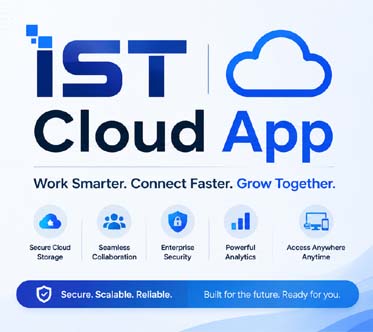
Solar Power Plant Releated Cloud Software access -
👉Know about IST SunPower System solar software
- Site Assessment
- Hybrid On-Grid System Simulation
- Solar DCDB Design
- Solar ACDB Design
- Solar Power Plant SLD
- Solar Project Quotation
- Solar Project Bankability Report
- Solar Power Plant BOQ
Admission going on for 4th Batch of Dec - 2026
What You Will Learn in the Substation Design Course
1. Introduction to Electrical Substations
Basic principles of electrical substations.
Types of electrical substations.
Transmission and distribution substations.
AIS (Air Insulated Substation).
GIS (Gas Insulated Substation).
Indoor and outdoor substations.
Electrical power system fundamentals.
Substation components and their functions.
2. Substation Design Fundamentals
Electrical substation planning and design.
Single Line Diagram (SLD) preparation.
Substation layout development.
Electrical load calculation.
Voltage level selection.
Short-circuit current calculation.
Equipment rating selection.
Electrical design standards and specifications.
3. Power Transformer Design and Selection
Power transformer fundamentals.
Transformer capacity calculation.
Transformer voltage and current ratings.
Transformer impedance calculation.
Transformer losses and efficiency.
Transformer cooling systems.
Transformer protection systems.
Transformer installation requirements.
4. Switchgear and Electrical Equipment Selection
Circuit breaker selection.
Vacuum Circuit Breaker (VCB).
SF6 Circuit Breaker.
Isolators and disconnectors.
Earthing switches.
Current Transformer (CT).
Potential Transformer (PT).
Voltage Transformer (VT).
Busbar design and selection.
Lightning arresters.
Insulators and support structures.
5. Electrical Protection System Design
Overcurrent protection.
Earth fault protection.
Differential protection.
Transformer protection.
Busbar protection.
Distance protection fundamentals.
Relay selection and coordination.
Protection system philosophy.
Protection coordination and relay settings.
6. Substation Earthing and Grounding Design
Earthing system fundamentals.
Soil resistivity measurement.
Earth grid design.
Earth conductor sizing.
Step and touch voltage calculation.
Ground fault current calculation.
Earth electrode selection.
Equipment body earthing.
Substation safety requirements.
7. Cable Sizing and Cable Routing
HT and LT cable selection.
Cable current-carrying capacity.
Voltage drop calculation.
Short-circuit withstand calculation.
Cable tray and trench design.
Cable routing and termination.
Control cable and power cable selection.
8. Substation Civil and Structural Design
Substation site selection.
Equipment foundation design considerations.
Transformer foundation.
Cable trench design.
Control room planning.
Equipment support structures.
Oil containment pit requirements.
Substation drainage and fencing.
9. Substation Layout and Engineering Drawings
General Arrangement (GA) drawing.
Single Line Diagram (SLD).
Earthing layout drawing.
Cable trench layout.
Lighting layout.
Equipment foundation layout.
Control and protection schematic diagrams.
Electrical equipment installation drawings.
10. Substation Testing and Commissioning
Transformer testing.
Circuit breaker testing.
CT and PT testing.
Insulation resistance testing.
Contact resistance testing.
Relay testing.
Earth resistance testing.
Cable testing.
Pre-commissioning inspection.
Substation commissioning procedures.
Software and Technical Tools
The course introduces commonly used engineering tools and software, depending on the training module:
AutoCAD Electrical – Electrical drawings and layouts.
ETAP – Electrical power system analysis.
Microsoft Excel – Electrical calculations and design sheets.
Electrical SLD preparation tools.
Load flow and short-circuit analysis tools.
Applicable Electrical Standards
Students are introduced to relevant electrical standards and regulations, including:
IS 3043 – Code of Practice for Earthing.
IS 2026 – Power Transformers.
IS/IEC 62271 – High-Voltage Switchgear and Controlgear.
IEC 60076 – Power Transformers.
IEC 61936-1 – Power Installations Exceeding 1 kV AC.
IEEE 80 – Safety in AC Substation Grounding.
Applicable CEA safety regulations and requirements in India.
Who Can Join This Course?
Electrical Engineering Students.
Diploma Electrical Engineers.
B.Tech and M.Tech Electrical Engineers.
Electrical Site Engineers.
Substation Installation Engineers.
Electrical Design Engineers.
Solar Power Plant Engineers.
EPC Company Professionals.
Electrical Contractors.
Freshers interested in the power sector.
Career Opportunities After Substation Design Training
After completing the training and developing the required technical skills, candidates can explore opportunities in:
Electrical Substation Design Engineer.
Electrical Design Engineer.
Substation Site Engineer.
Electrical Project Engineer.
Testing and Commissioning Engineer.
Electrical Maintenance Engineer.
Protection and Control Engineer.
Power System Engineer.
Solar Power Plant Electrical Engineer.
Electrical EPC Project Engineer.
Why Choose Institute of Solar Technology (IST)?
The Institute of Solar Technology (IST) focuses on practical, industry-oriented technical education in renewable energy and electrical engineering.
Our training approach emphasizes:
Technical and engineering fundamentals.
Practical electrical calculations.
Industry-oriented design concepts.
Electrical drawings and documentation.
Equipment selection and specifications.
Project engineering knowledge.
Career-oriented technical learning.
Enrol in the Substation Design Course
Build your technical knowledge and develop practical engineering skills with the Substation Design Course at the Institute of Solar Technology (IST).
Whether you are an engineering student, fresher, electrical professional, or aspiring design engineer, this course can help you understand the engineering principles involved in electrical substation design, installation, testing, and commissioning.
Institute of Solar Technology (IST)
Learn Electrical Engineering. Develop Practical Skills. Build Your Career in the Power Industry.
Visit the Institute of Solar Technology website for course details, training options, and admission information.