A 1 MW solar power plant is a large-scale solar photovoltaic (PV) power generation system designed to convert sunlight into electricity using solar panels, inverters, mounting structures, and other electrical equipment. Proper engineering design is essential to achieve maximum energy generation, system efficiency, safety, and long-term financial performance.
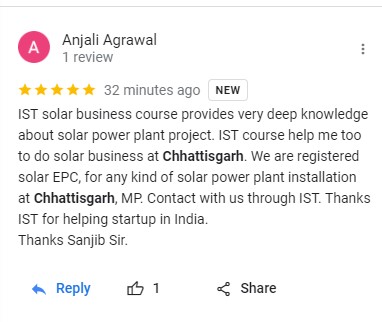
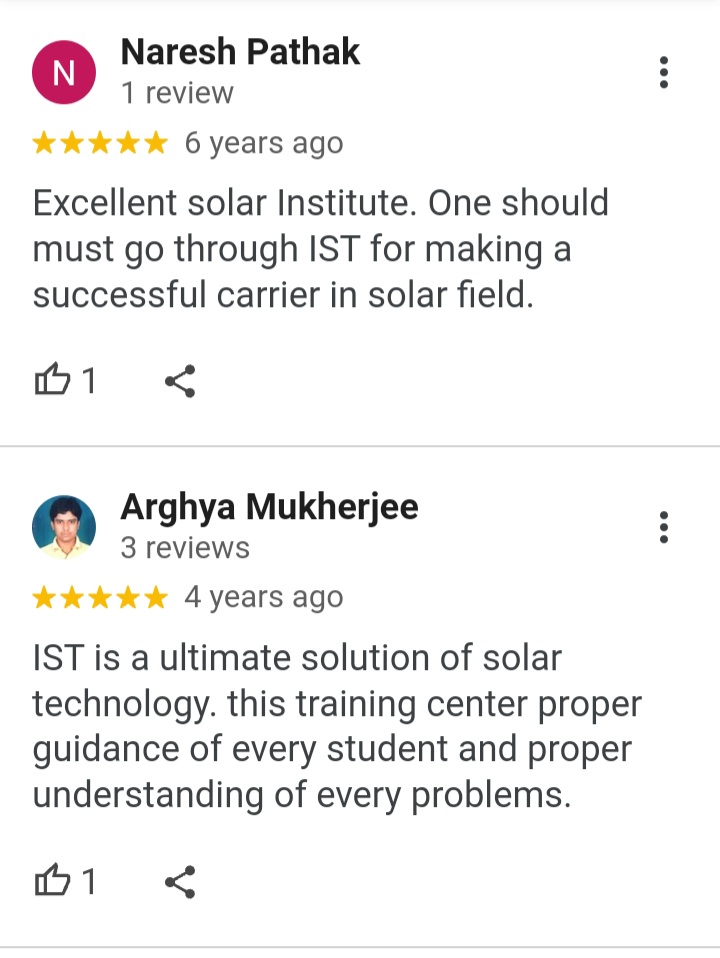
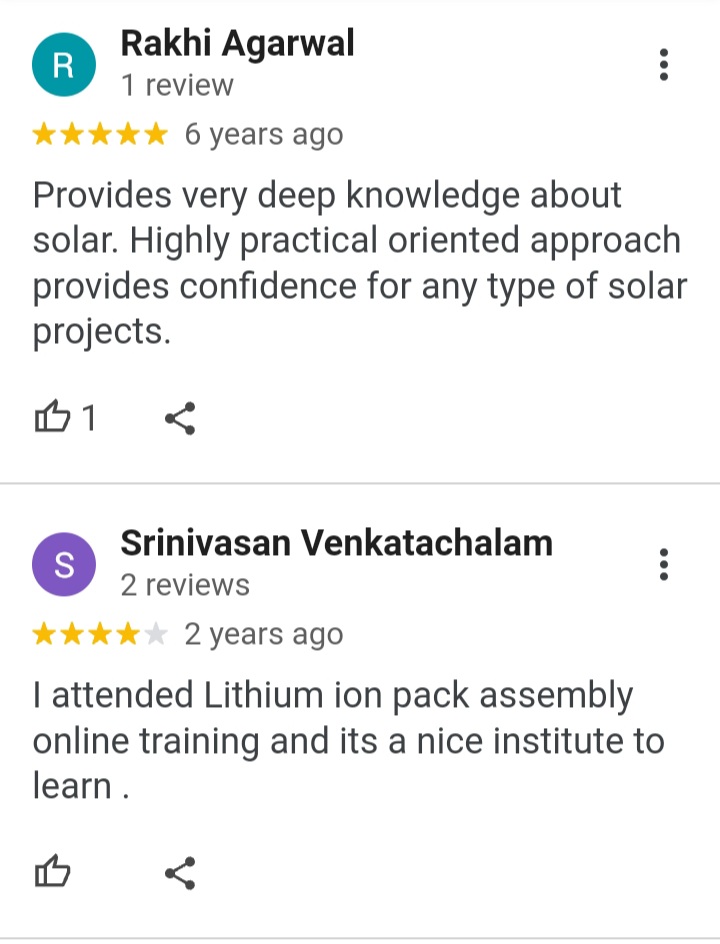
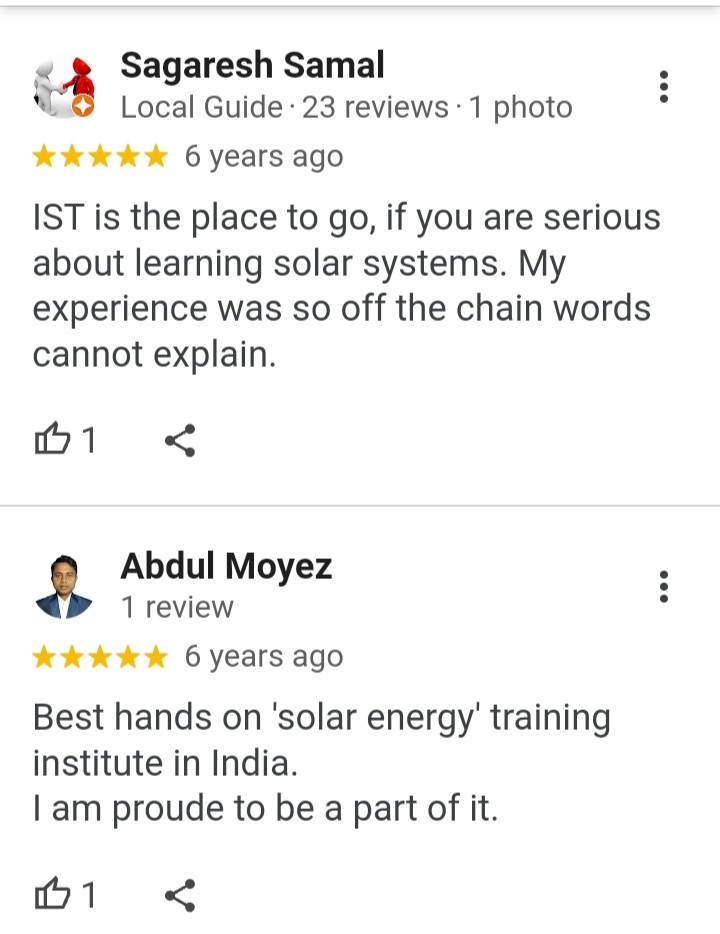
The Institute of Solar Technology (IST) provides solar technology education, technical training, and practical engineering knowledge to help students, solar professionals, EPC companies, and renewable energy entrepreneurs understand utility-scale solar power plant design.
What Is a 1 MW Solar Power Plant?
A 1 MW solar power plant is a photovoltaic installation with a nominal DC or AC capacity of 1 megawatt, depending on the system specification. It generates electricity by converting solar radiation into usable electrical energy through photovoltaic modules.
A typical 1 MW solar PV project includes:
Solar PV modules
String or central inverters
Module mounting structures
DC cables and AC cables
DC distribution boxes (DCDB), where applicable
AC distribution panels
Transformers
HT switchgear and protection systems
Earthing and lightning protection
Monitoring and SCADA systems
Solar power evacuation infrastructure
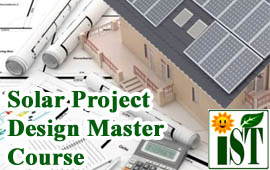
Solar Project Design Master Course (Rooftop and Large solar system)
 Huge job opportunity Solar Design engineer job
Search Solar Design Engineer Job
For working professionals, early morning or night class slot available
👉 Introduce with Mentor
Solar Power Plant Releated Cloud Software access -
👉Know about IST SunPower System solar software
- Site Assessment
- Hybrid On-Grid System Simulation
- Solar DCDB Design
- Solar ACDB Design
- Solar Power Plant SLD
- Solar Project Quotation
- Solar Project Bankability Report
- Solar Power Plant BOQ
Admission going on for 4th Batch of Dec - 2026
Important Steps in 1 MW Solar Power Plant Design
1. Solar Site Assessment
The first step is evaluating the project location. Engineers examine available land, solar irradiation, geographical coordinates, shading, soil conditions, accessibility, and grid connectivity.
2. Solar PV Module Selection
Solar module selection depends on module wattage, efficiency, temperature coefficient, dimensions, electrical characteristics, warranty, and certification.
For example, using 550 W solar modules:
Number of modules = 1,000,000 W ÷ 550 W
Approximately 1,819 modules are required for 1 MW DC capacity.
The final quantity must be adjusted to achieve the selected system capacity and inverter configuration.
3. Solar Inverter Selection
Inverters convert DC electricity generated by solar modules into AC electricity. The selection depends on DC capacity, AC capacity, DC/AC ratio, MPPT configuration, voltage range, efficiency, and grid requirements.
4. Solar Array Configuration
Solar modules are connected in series to form strings and in parallel to achieve the required system capacity.
The design must consider:
Maximum DC voltage
String operating voltage
Open-circuit voltage at minimum temperature
Short-circuit current
MPPT current limits
Number of strings per inverter
5. Solar Mounting Structure Design
Mounting structures support solar modules at the required tilt and orientation. Structural design must consider wind speed, soil conditions, corrosion protection, foundation design, and applicable structural standards.
6. DC and AC Cable Sizing
Cable sizing is an important part of solar plant electrical design. Engineers calculate cable current capacity, voltage drop, short-circuit withstand capacity, installation conditions, and temperature correction factors.
7. Transformer and HT System Design
The transformer and HT electrical system must be selected according to the plant's AC capacity, voltage level, grid interconnection requirements, protection coordination, and utility specifications.
8. Earthing and Lightning Protection
Proper earthing and lightning protection systems help protect equipment and personnel. The design considers soil resistivity, earth electrodes, bonding, lightning risk, and applicable electrical safety standards.
9. Solar Power Plant Energy Generation Estimation
Annual energy generation depends on solar irradiation, installed capacity, module performance, system losses, temperature, inverter efficiency, shading, and plant availability.
A preliminary estimation can be calculated using:
Annual Energy = Plant Capacity × Daily Equivalent Full-Sun Hours × 365 × Performance Ratio
The actual generation estimate should use location-specific solar resource data and detailed loss calculations.
1 MW Solar Power Plant Design PDF – Course Topics
The engineering design documentation should cover:
Solar PV system fundamentals
Site assessment and solar resource analysis
Solar module selection
Solar array sizing and string configuration
Inverter sizing and selection
DC cable sizing calculations
AC cable sizing calculations
DCDB and ACDB design
Transformer sizing
HT panel and grid connectivity
Solar mounting structure design
Earthing and lightning protection
Single Line Diagram (SLD)
Solar plant layout design
Energy generation and performance analysis
Bill of Quantities (BOQ)
Project cost estimation
Operation and maintenance (O&M)
Who Should Learn 1 MW Solar Power Plant Design?
This technical learning resource is useful for:
Solar PV design engineers
Electrical engineers
Solar EPC professionals
Solar project developers
Engineering students
Solar installation technicians
Renewable energy entrepreneurs
Solar consultants
Learn Solar Power Plant Engineering with IST
The Institute of Solar Technology (IST) focuses on practical solar engineering knowledge, technical education, and professional skill development. Learn the engineering principles behind solar PV system design, electrical calculations, project planning, and solar power plant development.
Explore solar training and engineering resources from the Institute of Solar Technology (IST).
Institute of Solar Technology (IST) – Building Skills for the Solar Energy Industry.