Solar power system design requires accurate engineering calculations, performance analysis, and professional project planning. Two popular software tools used in the solar industry are HelioScope and PVsyst. Both software platforms help solar engineers, designers, EPC companies, and solar professionals develop and analyse solar PV projects.
However, HelioScope and PVsyst have different features, design approaches, and applications. Understanding the differences between these tools helps solar professionals select the right software for rooftop solar installations, commercial projects, industrial solar plants, and large-scale ground-mounted solar power projects.
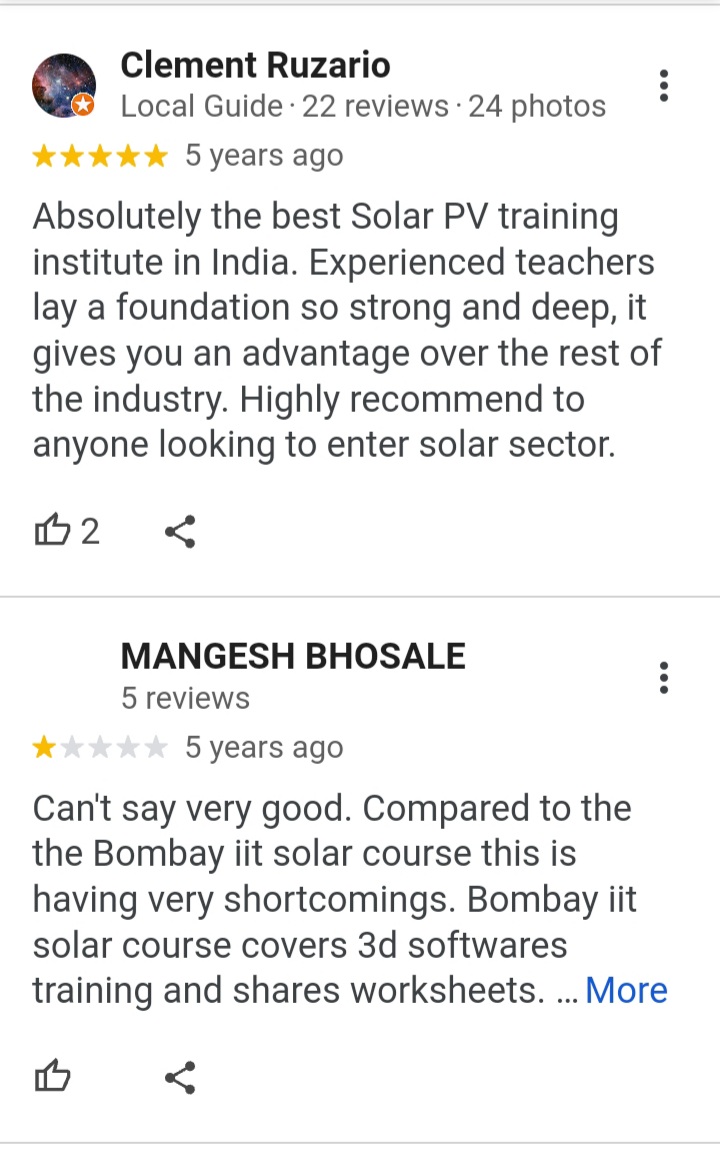
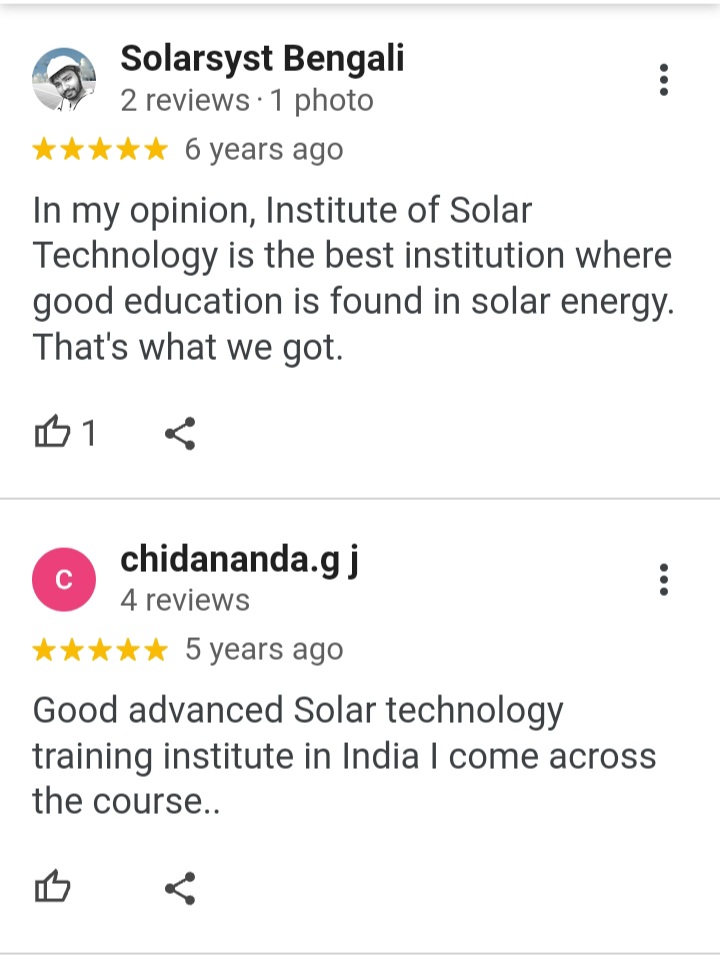
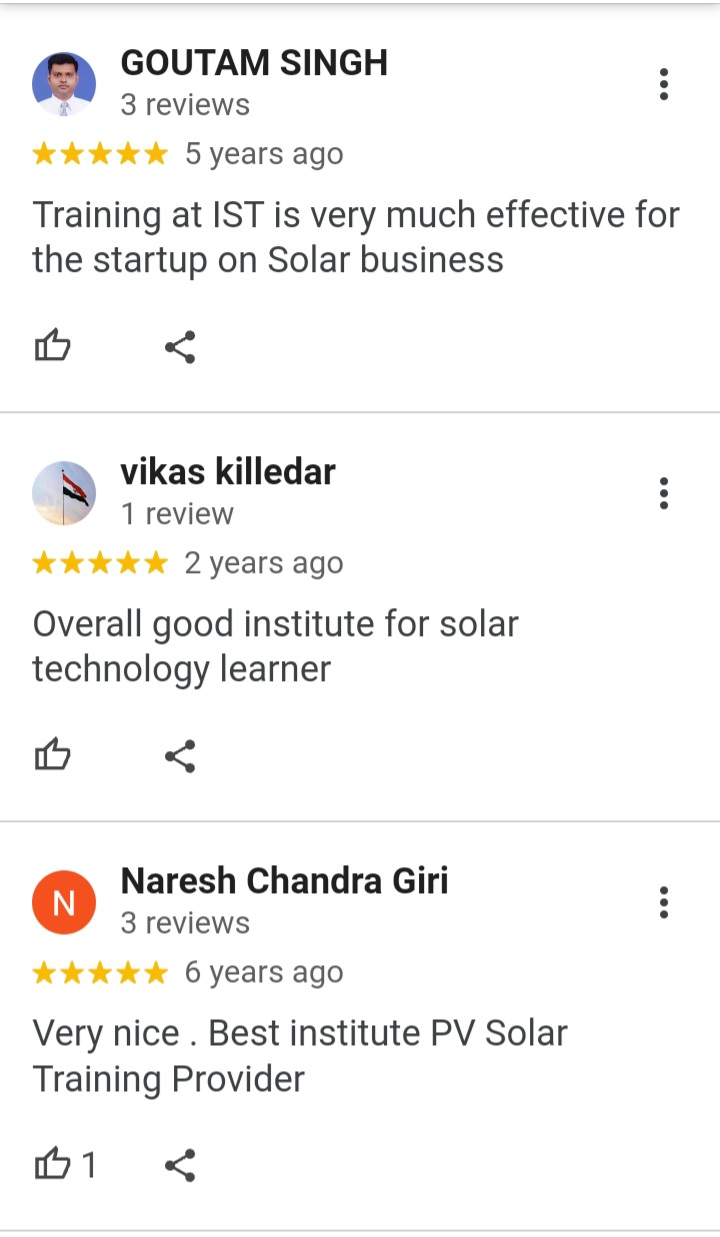
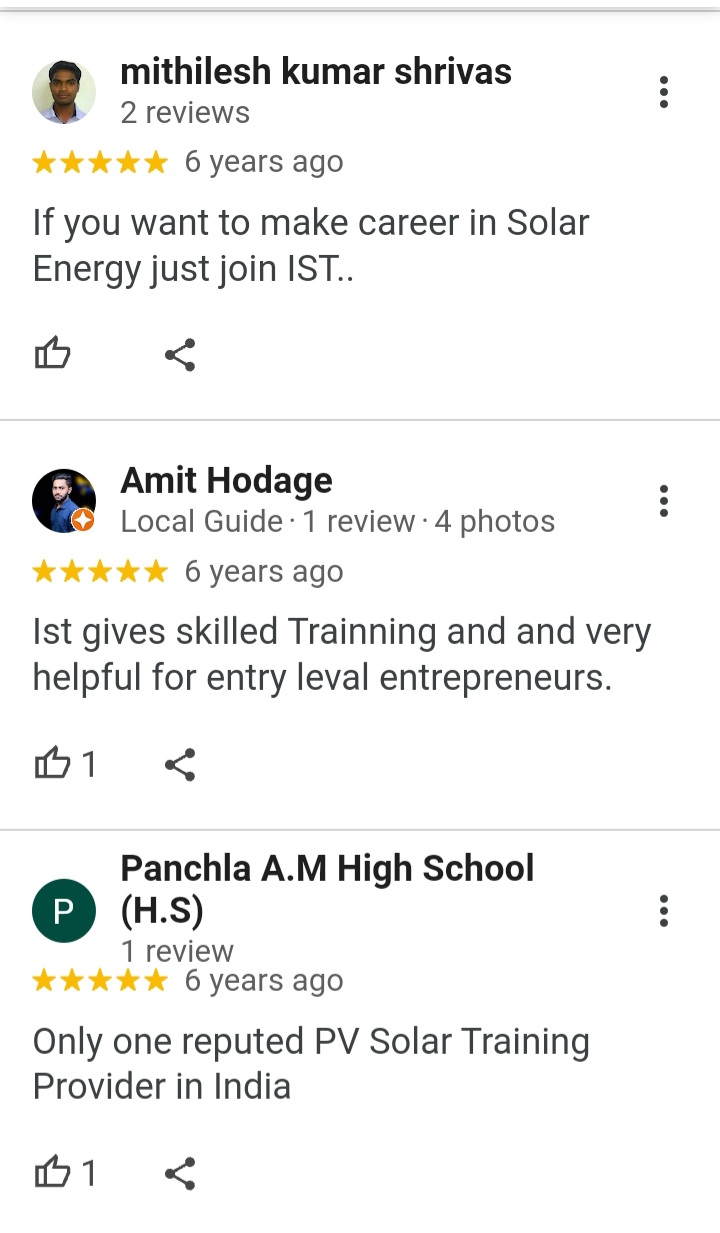
At the Institute of Solar Technology (IST), students and working professionals can develop practical knowledge of solar PV system design, simulation, performance analysis, and project engineering.
Solar Project Design Master Course (Rooftop and Large solar system)
 Huge job opportunity Solar Design engineer job
Search Solar Design Engineer Job
For working professionals, early morning or night class slot available
👉 Introduce with Mentor
Solar Power Plant Releated Cloud Software access -
👉Know about IST SunPower System solar software
- Site Assessment
- Hybrid On-Grid System Simulation
- Solar DCDB Design
- Solar ACDB Design
- Solar Power Plant SLD
- Solar Project Quotation
- Solar Project Bankability Report
- Solar Power Plant BOQ
Admission going on for 4th Batch of Dec - 2026
What Is HelioScope?
HelioScope is a web-based solar PV design and simulation software used for designing, engineering, and analysing solar power systems. It is particularly useful for rooftop solar projects, commercial and industrial installations, and distributed generation systems.
HelioScope provides tools for creating module layouts, designing electrical connections, analysing shading effects, and estimating solar energy production.
Key Features of HelioScope
3D rooftop and ground-mounted solar PV system design.
Solar panel layout and module placement.
String inverter and electrical system configuration.
Shading analysis and energy simulation.
Solar generation and performance estimation.
System loss analysis.
Professional solar project reports.
CAD-based design workflow.
What Is PVsyst?
PVsyst is a professional solar PV simulation software widely used for detailed engineering analysis, energy yield assessment, and performance evaluation of photovoltaic power plants.
It supports the simulation of different solar PV system configurations, including grid-connected, standalone, and pumping systems.
PVsyst is commonly used by solar consultants, engineering companies, project developers, and technical professionals working on utility-scale and commercial solar projects.
Key Features of PVsyst
Grid-connected solar PV system simulation.
Standalone solar power system simulation.
Solar radiation and meteorological data analysis.
Detailed shading analysis.
PV module and inverter selection.
Energy yield estimation.
Performance ratio (PR) calculation.
System loss analysis.
Near Shadings 3D modelling.
Detailed technical simulation reports.
HelioScope vs PVsyst: Key Differences
| Comparison | HelioScope | PVsyst |
|---|---|---|
| Software type | Web-based design and simulation | Professional PV simulation |
| Main application | Rooftop and C&I solar design | Detailed PV system simulation |
| 3D design | Integrated layout and shading tools | Detailed 3D shading analysis |
| Electrical design | Module layout and string configuration | Detailed system configuration |
| Energy simulation | Yes | Yes |
| Loss analysis | Yes | Detailed loss analysis |
| Project reports | Yes | Detailed technical reports |
| Utility-scale projects | Supported | Widely used |
| Working platform | Web-based | Desktop-based |
| Best suited for | Fast design workflows | Detailed engineering and yield analysis |
Which Software Is Better for Rooftop Solar Design?
HelioScope is a useful choice for rooftop solar system design because it provides an integrated workflow for module placement, electrical configuration, shading analysis, and energy simulation.
It helps solar designers prepare project layouts and evaluate different design configurations.
PVsyst is also useful for rooftop solar projects, particularly when detailed energy yield assessment, performance ratio calculation, and technical simulation are required.
Which Software Is Better for Large-Scale Solar Projects?
PVsyst is widely used for detailed energy yield assessment and technical simulation of utility-scale solar PV projects.
It helps engineers analyse solar radiation, system losses, shading, inverter performance, and expected annual energy generation.
HelioScope can also support large commercial and ground-mounted PV design workflows, particularly where layout and electrical design integration are important.
HelioScope vs PVsyst: Which One Should Solar Engineers Learn?
Both software tools are valuable for building a professional career in the solar energy industry.
Solar engineers should understand:
Solar PV system fundamentals.
Solar panel and inverter selection.
DC and AC cable sizing.
String sizing and inverter configuration.
Shadow and shading analysis.
Solar energy generation calculations.
Performance Ratio (PR) calculations.
Solar PV system losses.
Technical project report preparation.
Solar PV design and simulation.
Learning both HelioScope and PVsyst can help professionals understand the complete solar project design and simulation workflow.
Learn Solar PV Design and Simulation at Institute of Solar Technology (IST)
The Institute of Solar Technology (IST) provides practical-oriented solar training to help students, technicians, engineers, and working professionals develop industry-relevant solar energy skills.
Our solar training approach focuses on practical knowledge, technical calculations, solar PV system design, installation procedures, and project engineering.
What You Can Learn
Solar PV system design and engineering.
On-grid, off-grid, and hybrid solar systems.
Rooftop solar installation and commissioning.
Solar panel and inverter selection.
Solar PV string sizing and cable calculations.
HelioScope and PVsyst software fundamentals.
Solar energy generation and performance analysis.
Solar project documentation and reporting.
Conclusion
HelioScope and PVsyst are both valuable tools for solar PV system design and simulation. HelioScope is particularly useful for integrated solar layout and design workflows, while PVsyst is widely recognised for detailed photovoltaic performance simulation and energy yield assessment.
For a successful career in solar engineering, learning both software tools along with practical solar PV system design knowledge can provide a strong technical foundation.
Join the Institute of Solar Technology (IST) and develop practical skills in solar PV design, simulation, installation, and project engineering.
Website: Institute of Solar Technology (IST)