Introduction
Biomedical Engineering is a rapidly growing field that combines engineering principles, medical science, healthcare technology, and innovation. Students pursuing Biomedical Engineering need practical knowledge and industry exposure to understand how modern medical equipment and healthcare technologies work.
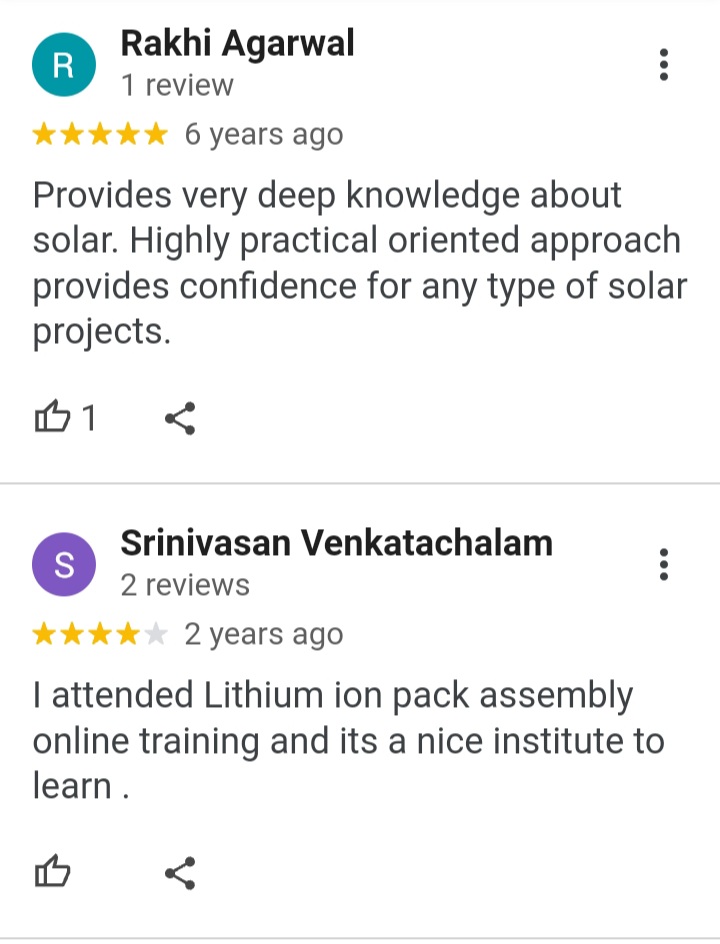
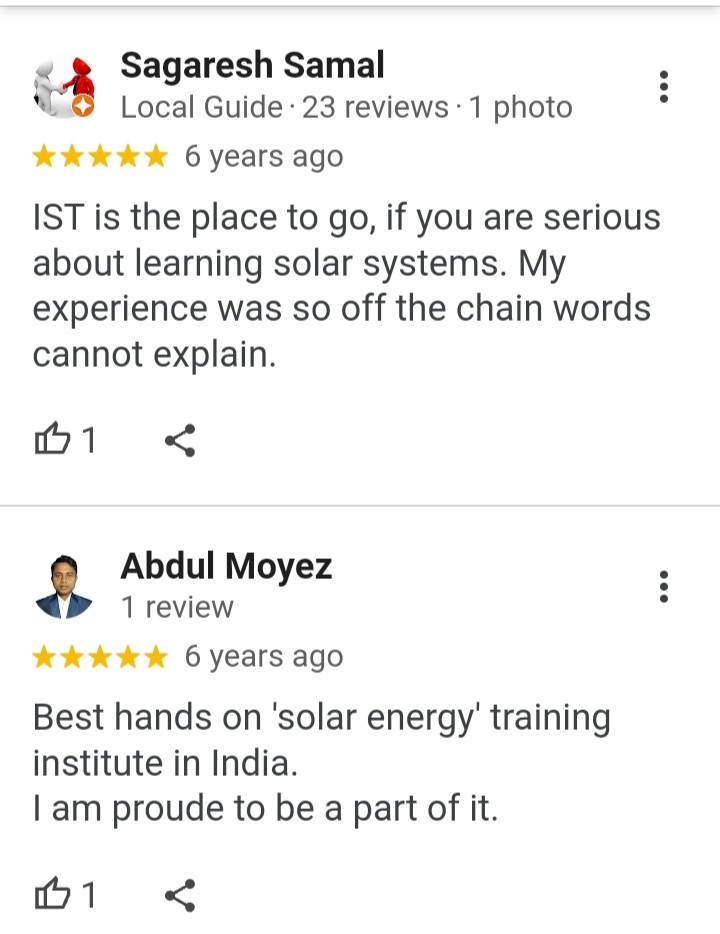
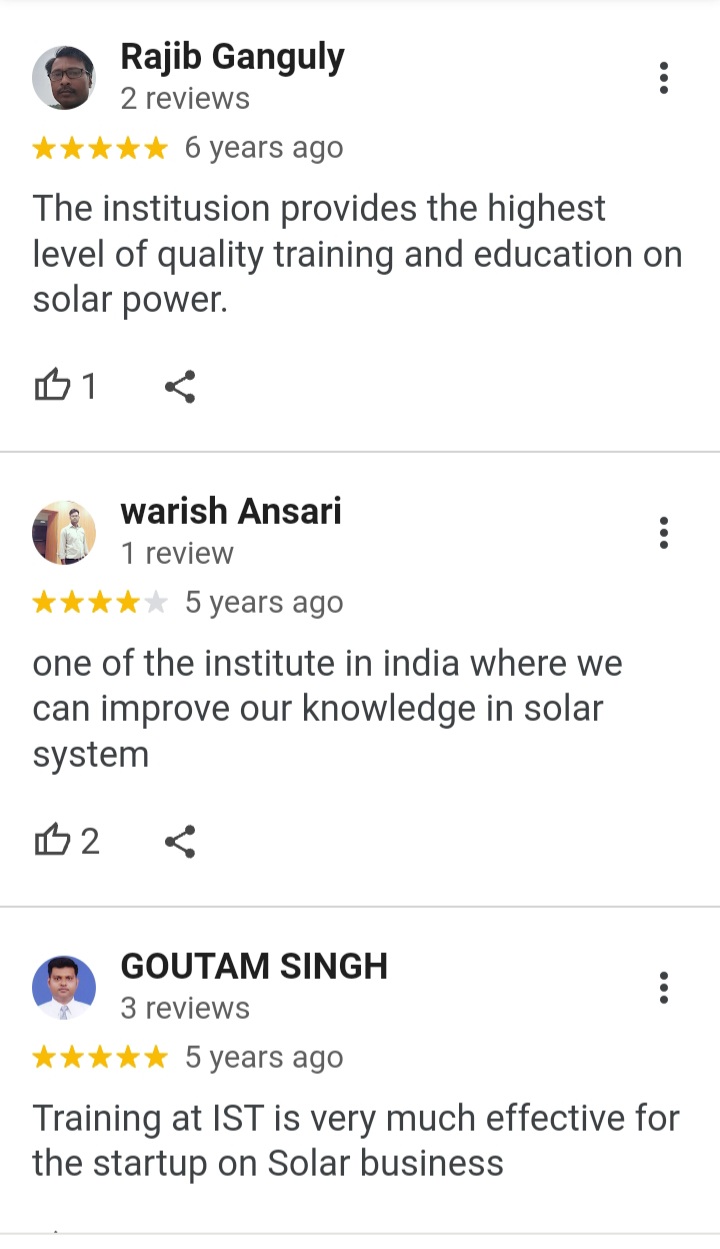
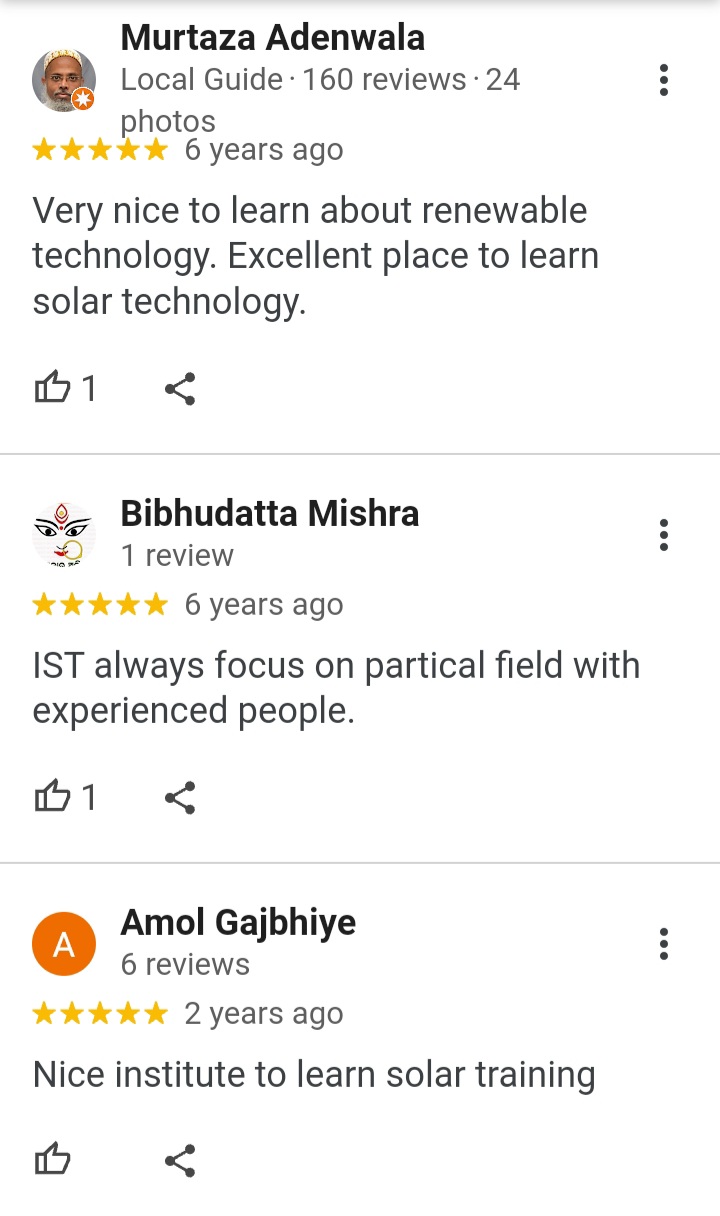
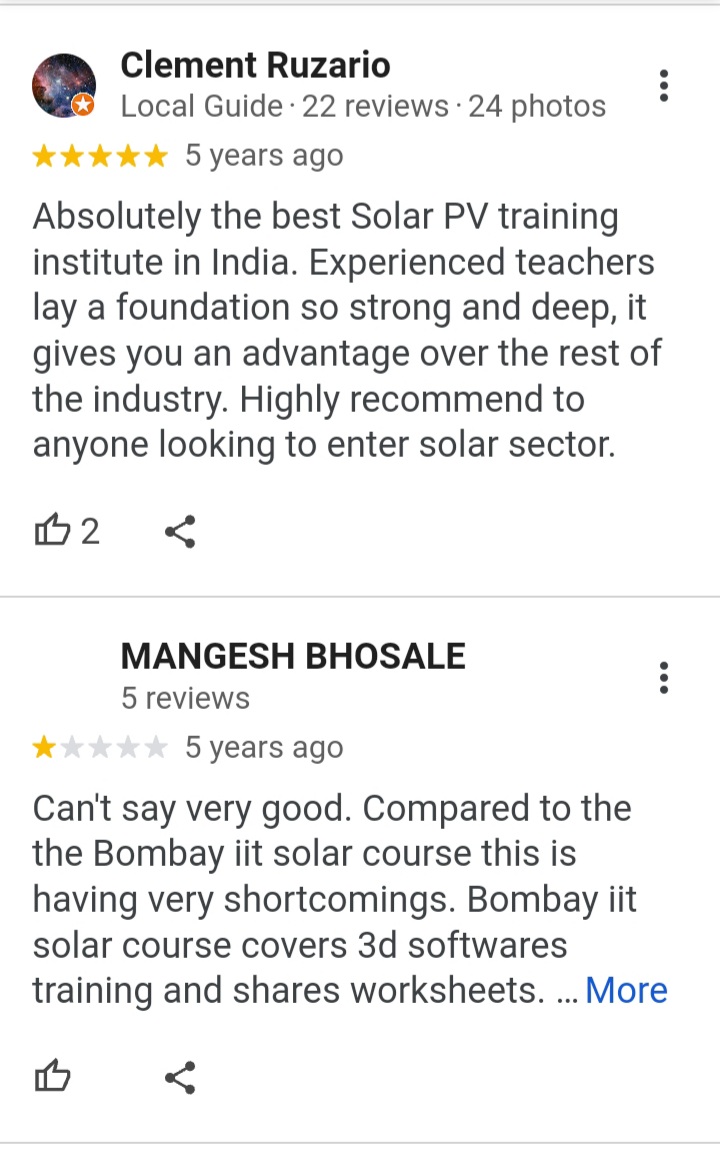
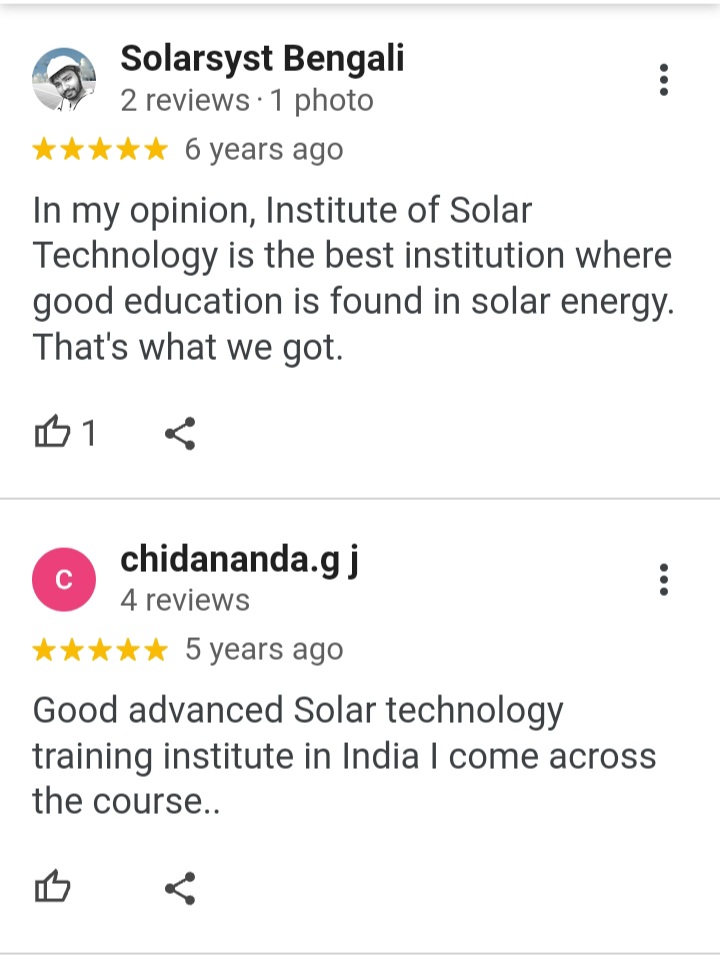
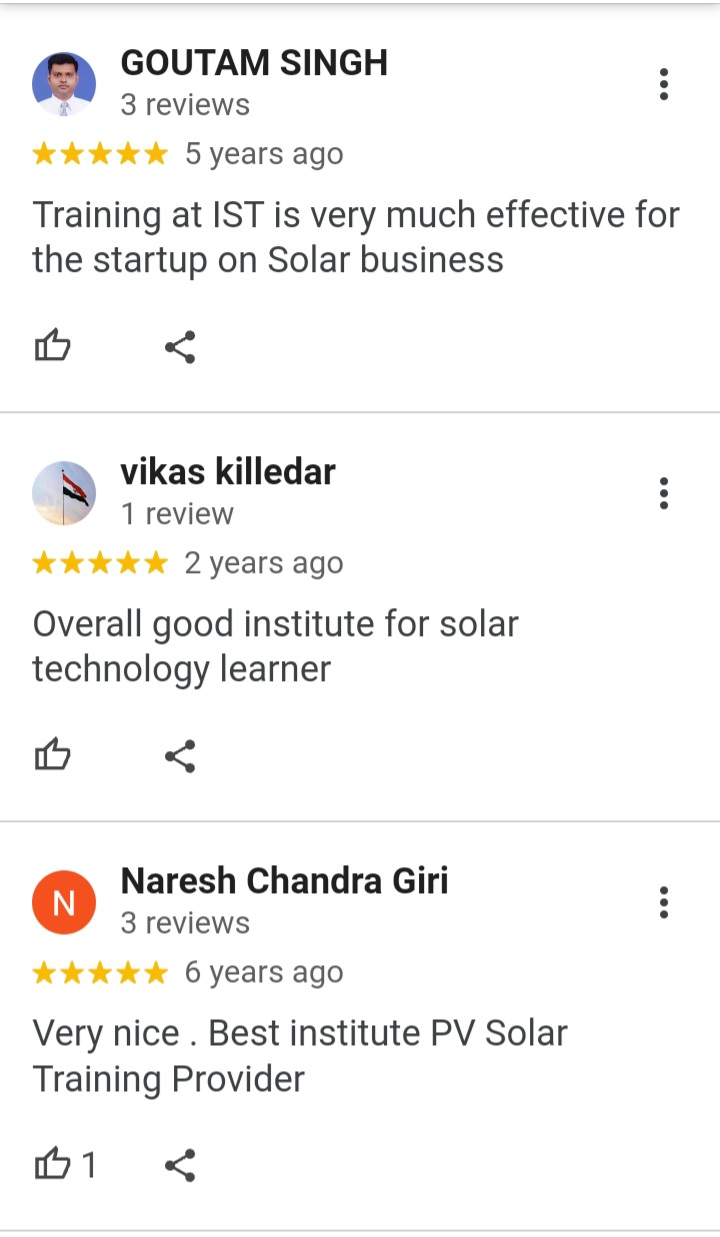
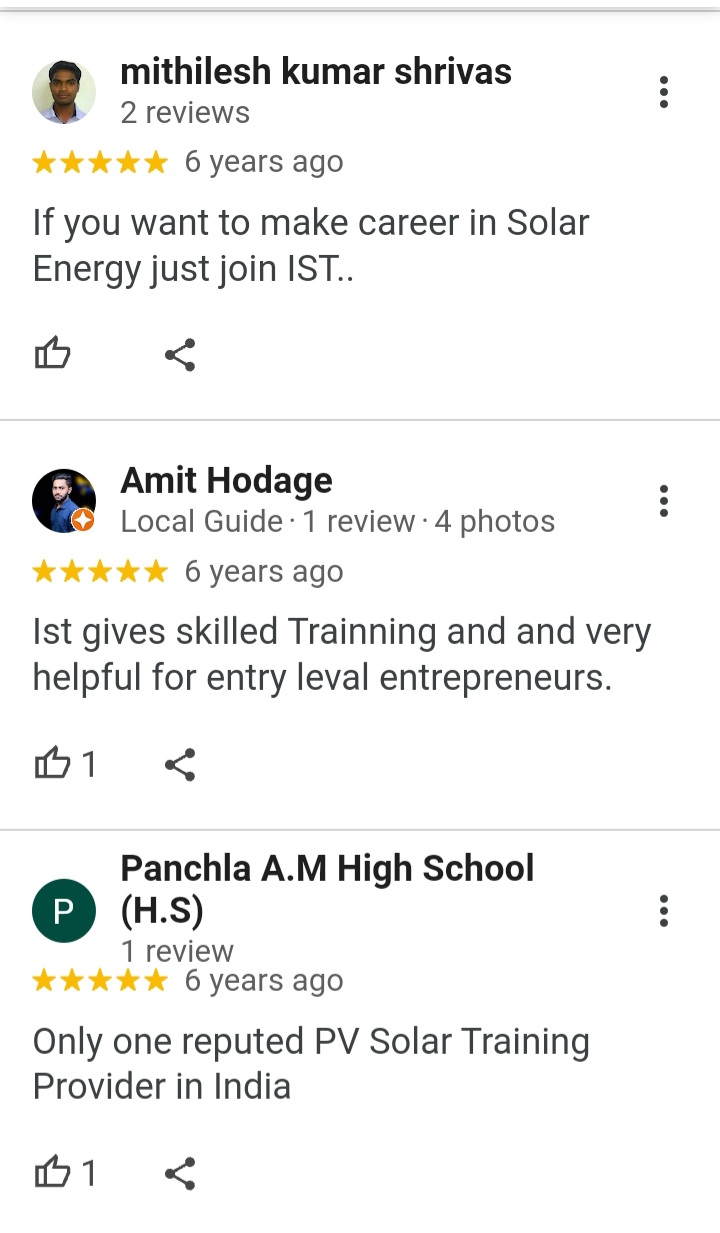
The Institute of Solar Technology (IST) provides career-oriented online internship opportunities designed to help students develop technical knowledge, practical understanding, and professional skills. These internships help students explore emerging technologies, engineering applications, project development, and industry-relevant skills.
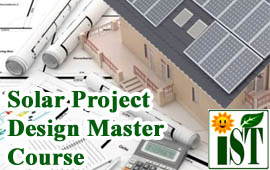
Solar Project Design Master Course (Rooftop and Large solar system)
 Huge job opportunity Solar Design engineer job
Search Solar Design Engineer Job
For working professionals, early morning or night class slot available
👉 Introduce with Mentor
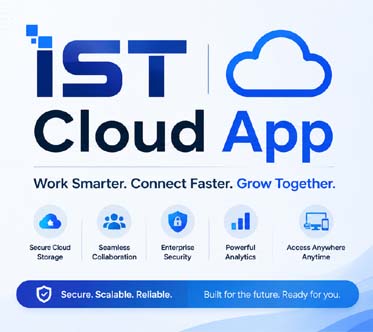
Solar Power Plant Releated Cloud Software access -
👉Know about IST SunPower System solar software
- Site Assessment
- Hybrid On-Grid System Simulation
- Solar DCDB Design
- Solar ACDB Design
- Solar Power Plant SLD
- Solar Project Quotation
- Solar Project Bankability Report
- Solar Power Plant BOQ
Admission going on for 4th Batch of Dec - 2026
Why Choose an Online Internship in Biomedical Engineering?
Online internships provide students with an opportunity to learn from anywhere while developing important technical and professional skills.
Key benefits include:
Flexible online learning opportunities.
Industry-oriented technical knowledge.
Practical project-based learning.
Understanding of engineering applications in healthcare.
Development of research and analytical skills.
Improved technical documentation and presentation skills.
Career preparation and professional development.
Internship Learning Areas for Biomedical Engineering Students
Students can explore several important learning areas depending on their academic background and internship programme.
1. Medical Equipment and Instrumentation
Learn the basic working principles of medical devices and healthcare instruments, including monitoring systems, diagnostic equipment, and biomedical sensors.
2. Biomedical Electronics
Understand electronic circuits, sensors, signal processing, measurement systems, and their applications in biomedical engineering.
3. Medical Imaging Technology
Explore the fundamentals of medical imaging technologies such as X-ray, ultrasound, CT scans, and MRI systems.
4. Biomedical Signal Processing
Understand the fundamentals of acquiring and analysing biomedical signals, including ECG, EEG, and other physiological measurements.
5. Healthcare Technology and Innovation
Explore modern healthcare technologies, automation, digital healthcare solutions, and technology-based medical applications.
6. Renewable Energy Applications in Healthcare
Understand how solar energy and renewable energy technologies can support healthcare infrastructure, including solar-powered medical equipment, rural healthcare facilities, and reliable electricity for hospitals.
Practical Projects for Biomedical Engineering Internships
Project-based learning helps students connect theoretical concepts with real-world engineering applications.
Possible learning projects include:
Basic ECG monitoring system study.
Biomedical sensor applications.
Patient monitoring system concepts.
Medical equipment working principle analysis.
Temperature monitoring system.
Healthcare equipment power supply analysis.
Solar-powered healthcare equipment concepts.
Biomedical instrumentation project documentation.
Project activities should be selected according to the student's academic level and available programme facilities. Clinical testing and medical device certification are outside the scope of basic student projects.
Who Can Apply?
The online internship programme is suitable for:
B.Tech Biomedical Engineering students.
B.E. Biomedical Engineering students.
Diploma students in Biomedical Engineering.
M.Tech Biomedical Engineering students.
Students interested in medical electronics and healthcare technology.
Engineering students interested in interdisciplinary technology projects.
Skills Students Can Develop
After completing relevant internship activities, students can improve their understanding of:
Biomedical instrumentation.
Electronic measurement systems.
Sensors and transducers.
Technical research and documentation.
Engineering project development.
Problem-solving and analytical thinking.
Technical communication and presentation.
Career Opportunities After Biomedical Engineering
Biomedical Engineering graduates can explore career opportunities in different sectors, including:
Medical equipment manufacturing companies.
Healthcare technology companies.
Biomedical equipment maintenance.
Medical instrumentation industries.
Research and development organisations.
Medical device development.
Healthcare automation and technology.
Technical support and application engineering.
Actual career opportunities depend on academic qualifications, technical skills, experience, and employer requirements.
Why Choose Institute of Solar Technology (IST)?
The Institute of Solar Technology (IST) focuses on technical education, skill development, and industry-oriented training. Its interdisciplinary approach helps students understand the relationship between engineering, renewable energy, electrical systems, and emerging technologies.
Students interested in biomedical engineering can explore relevant technical learning opportunities and project-based knowledge development.
How to Apply for an Online Internship
Interested students can contact the Institute of Solar Technology (IST) to enquire about available internship programmes, eligibility, duration, fees (if applicable), project options, and certification requirements.
Before enrolling, students should confirm the programme syllabus, internship activities, mentor support, and completion requirements.
Conclusion
Online internships for Biomedical Engineering students can provide valuable opportunities to strengthen technical knowledge, explore healthcare technologies, and develop professional skills. By combining engineering fundamentals with project-based learning and interdisciplinary exposure, students can prepare themselves for future opportunities in biomedical engineering and healthcare technology.
Institute of Solar Technology (IST) encourages students to develop practical technical knowledge and build skills for emerging engineering industries.