Introduction
Rooftop solar technology is transforming the way electricity is generated, distributed, and consumed. One of the most important developments in modern rooftop solar systems is Small-Scale Embedded Generation (SSEG).
SSEG refers to small electricity-generating systems, such as rooftop solar PV installations, that are connected to the local electricity distribution network. These systems allow homes, businesses, industries, and commercial buildings to generate their own electricity while remaining connected to the utility grid.
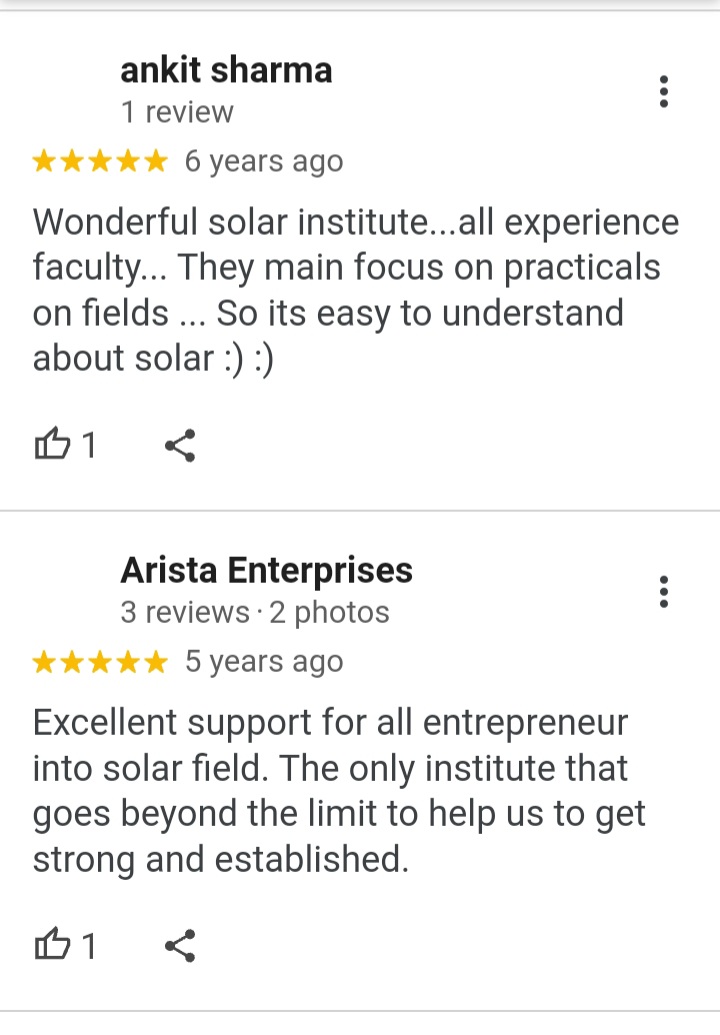
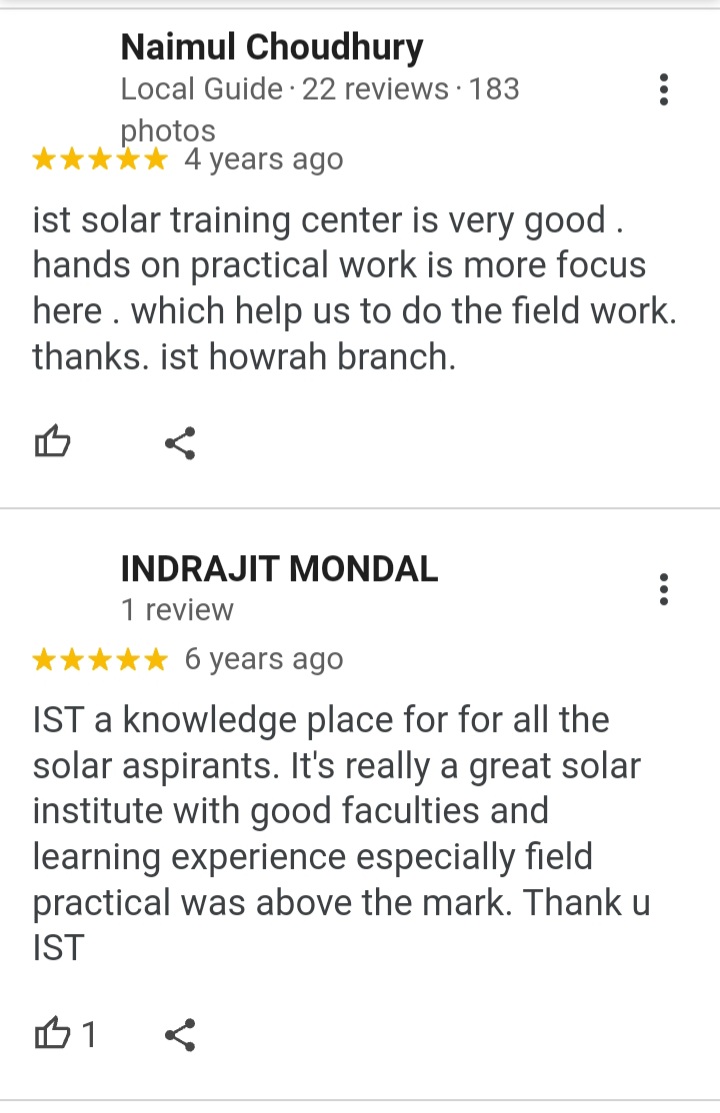
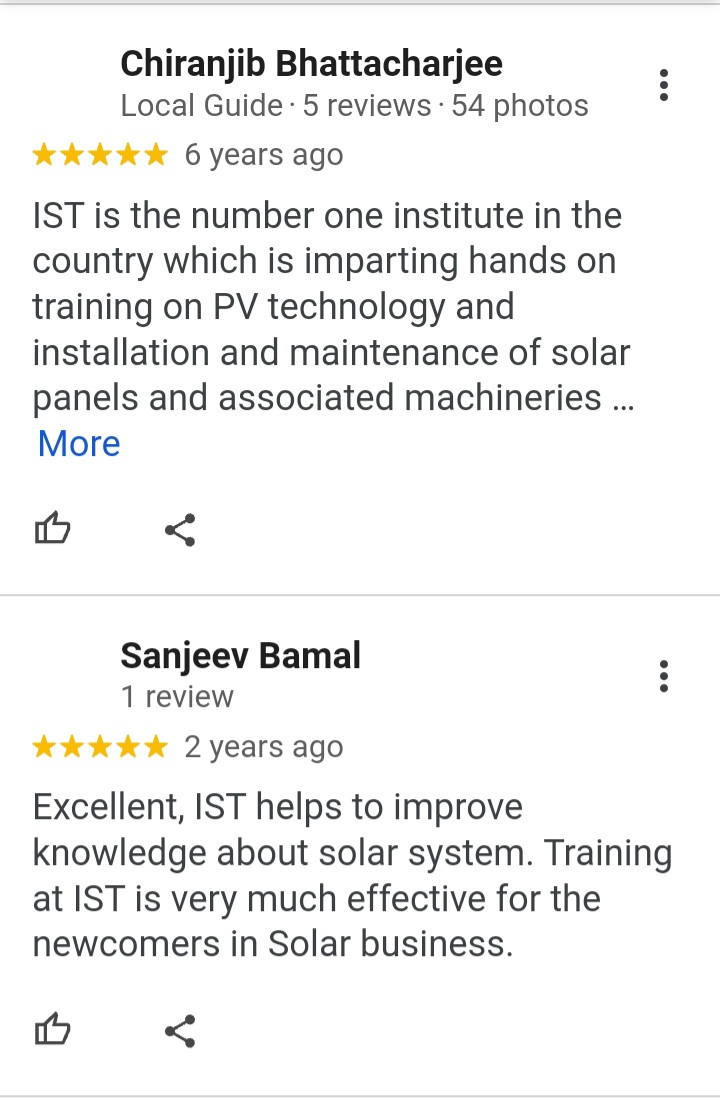
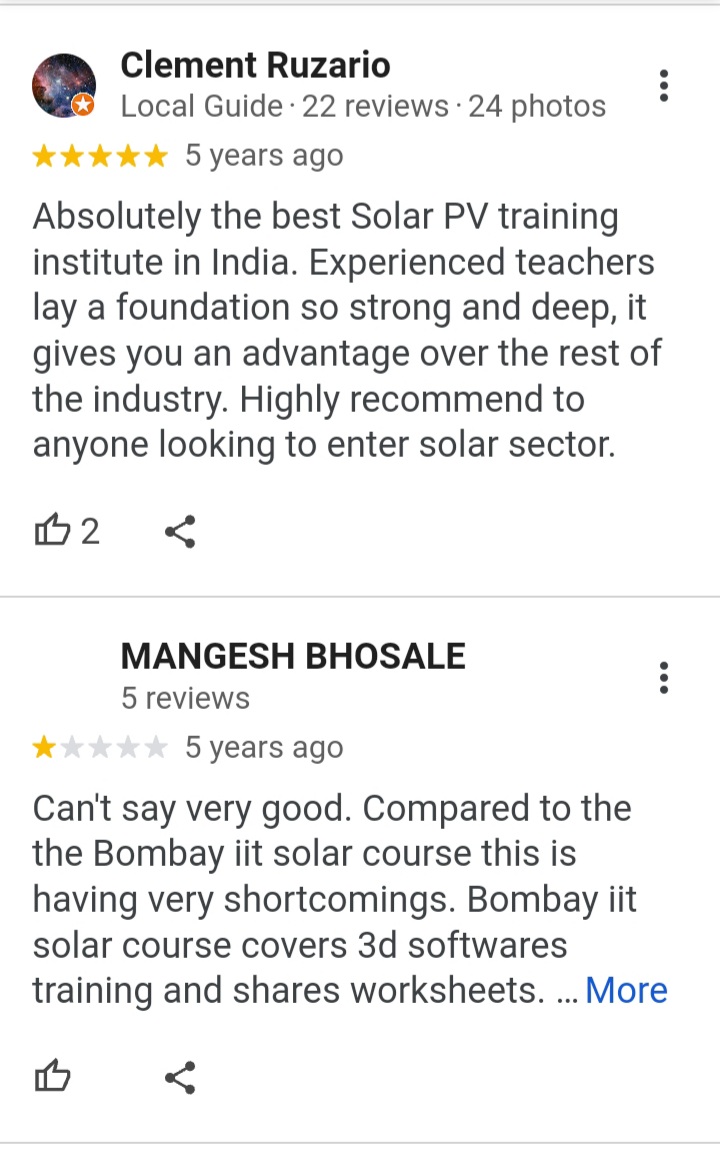
The Institute of Solar Technology (IST) promotes solar energy education, engineering knowledge, technical training, and practical solar PV system design to support the growth of renewable energy worldwide.
What Is Rooftop Solar SSEG Technology?
Rooftop Solar SSEG Technology is the integration of small-scale solar photovoltaic (PV) power generation systems with an existing electricity distribution network.
A typical rooftop solar SSEG installation includes:
Solar PV modules.
Grid-connected solar inverters.
DC and AC distribution boards.
DC and AC protection devices.
Energy meters and bidirectional meters.
Earthing and lightning protection.
Grid connection and monitoring systems.
During sunshine hours, solar panels generate DC electricity, which is converted into AC electricity by the inverter. The generated electricity is first used to meet the building's electrical demand. Any surplus electricity may be exported to the distribution grid, subject to local regulations and utility approval.
How Does Rooftop Solar SSEG Work?
The working principle of an SSEG solar system is simple:
Solar panels capture sunlight and generate DC electricity.
The solar inverter converts DC electricity into grid-compatible AC electricity.
The building consumes the generated solar electricity.
Excess electricity can be exported to the utility grid where permitted.
When solar generation is insufficient, electricity is imported from the utility grid.
This system helps reduce conventional electricity consumption and supports cleaner energy generation.
Solar Project Design Master Course (Rooftop and Large solar system)
 Huge job opportunity Solar Design engineer job
Search Solar Design Engineer Job
For working professionals, early morning or night class slot available
👉 Introduce with Mentor
Solar Power Plant Releated Cloud Software access -
👉Know about IST SunPower System solar software
- Site Assessment
- Hybrid On-Grid System Simulation
- Solar DCDB Design
- Solar ACDB Design
- Solar Power Plant SLD
- Solar Project Quotation
- Solar Project Bankability Report
- Solar Power Plant BOQ
Admission going on for 3rd Batch of Dec - 2026
Types of Rooftop Solar SSEG Systems
1. Grid-Connected Solar System
A grid-connected solar PV system operates in parallel with the utility electricity network. It is commonly used in residential, commercial, and industrial buildings.
2. Grid-Connected Solar System with Export Limitation
This system allows consumers to use solar electricity while controlling or restricting excess electricity exported to the grid.
3. Hybrid Solar System
A hybrid solar system combines solar PV generation, battery storage, and grid electricity. It can provide backup power when designed with suitable backup functionality.
Key Technical Components of SSEG
Solar PV Modules: Convert solar radiation into electrical energy.
Grid-Tied Inverter: Converts DC power into AC power and synchronizes with the utility grid.
Bi-Directional Meter: Measures electricity imported from and exported to the grid, where applicable.
Protection System: Includes circuit breakers, isolators, surge protection devices, and other required electrical safety equipment.
Monitoring System: Tracks solar generation, energy consumption, grid import, and export.
SSEG Registration and Approval Process
SSEG registration is an important requirement in many electricity distribution jurisdictions, particularly in South Africa.
Before connecting a rooftop solar PV system to the distribution network, consumers and installers must follow the applicable utility or municipality requirements.
A typical SSEG registration process includes:
Assess the building's electricity consumption.
Determine the proposed solar PV system capacity.
Prepare the solar PV system design and technical documentation.
Submit the SSEG application to the relevant electricity distributor.
Provide inverter certification and required electrical compliance documents.
Obtain approval for grid connection.
Install the solar PV system according to approved requirements.
Complete inspection, testing, and commissioning.
Arrange the required meter configuration.
Obtain permission to operate the system.
Important: Registration procedures, technical limits, fees, and documentation vary between municipalities and electricity distributors. Always verify the latest requirements with the relevant authority.
Benefits of Rooftop Solar SSEG Technology
Reduces electricity bills through self-consumption.
Promotes renewable energy generation.
Reduces dependence on conventional electricity sources.
Supports energy independence.
Helps reduce carbon emissions.
Makes productive use of available rooftop space.
Supports sustainable residential and commercial development.
Contributes to a decentralized electricity generation network.
Technical Considerations for SSEG Solar PV Design
Professional SSEG system design requires careful engineering calculations and compliance checks.
Important design considerations include:
Solar PV module selection and configuration.
DC string voltage and current calculations.
DC cable sizing and voltage drop.
AC cable sizing and voltage drop.
Inverter capacity selection.
Short-circuit protection.
Overvoltage and surge protection.
Earthing and bonding.
Anti-islanding protection.
Grid voltage and frequency compatibility.
Power quality and export limitation.
Structural assessment of rooftop installations.
Proper engineering design helps ensure system safety, reliability, and long-term performance.
Role of Institute of Solar Technology (IST)
The Institute of Solar Technology (IST) aims to support the solar energy sector through technical education, practical engineering knowledge, and digital learning resources.
IST focuses on developing solar PV knowledge and improving the technical capabilities of solar professionals, students, engineers, installers, and renewable energy entrepreneurs.
Through solar technology education and tools such as the IST PV Solar Simulator, learners and solar professionals can explore:
Rooftop solar PV system design.
Solar panel layout and configuration.
Solar energy generation calculations.
DC and AC cable sizing.
Inverter selection.
Energy yield estimation.
System performance analysis.
Solar project feasibility and financial analysis.
Future of Rooftop Solar SSEG Technology
The future of rooftop solar SSEG technology is closely connected to smart energy management, battery storage, electric vehicle charging, smart metering, and distributed energy resources.
As electricity consumers increasingly become electricity producers, SSEG technology will play an important role in developing smarter, cleaner, and more sustainable electricity networks.
The adoption of appropriate technical standards, grid connection procedures, and professional solar PV engineering practices will be essential for the continued growth of rooftop solar installations.
Conclusion
Rooftop Solar SSEG Technology is an important step towards decentralized renewable electricity generation. It enables homes, businesses, and industries to generate their own clean electricity while maintaining a connection to the utility grid.
Understanding SSEG technology, registration procedures, grid integration, and solar PV system design is essential for anyone working in the renewable energy industry.
Institute of Solar Technology (IST) is committed to supporting solar energy education, technical skill development, and practical solar engineering knowledge for a sustainable energy future.
Learn More with Institute of Solar Technology (IST)
Explore solar PV technology, professional solar training, and practical system design resources.
Website: https://istpvsolarsimulator.com/
Institute: Institute of Solar Technology (IST)
Empowering Solar Professionals Through Technology, Training, and Innovation.