Introduction
South Africa is experiencing rapid growth in solar photovoltaic (PV) installations as homeowners, businesses, industries, and commercial facilities look for reliable and cost-effective energy solutions.
With the increasing adoption of rooftop solar systems, Small-Scale Embedded Generation (SSEG) registration has become an important requirement for connecting solar PV systems to the electricity distribution network.
Whether you are a solar installer, electrical contractor, PV engineer, project developer, or renewable energy professional, understanding the SSEG registration process is essential for completing solar projects safely and in accordance with applicable regulations.
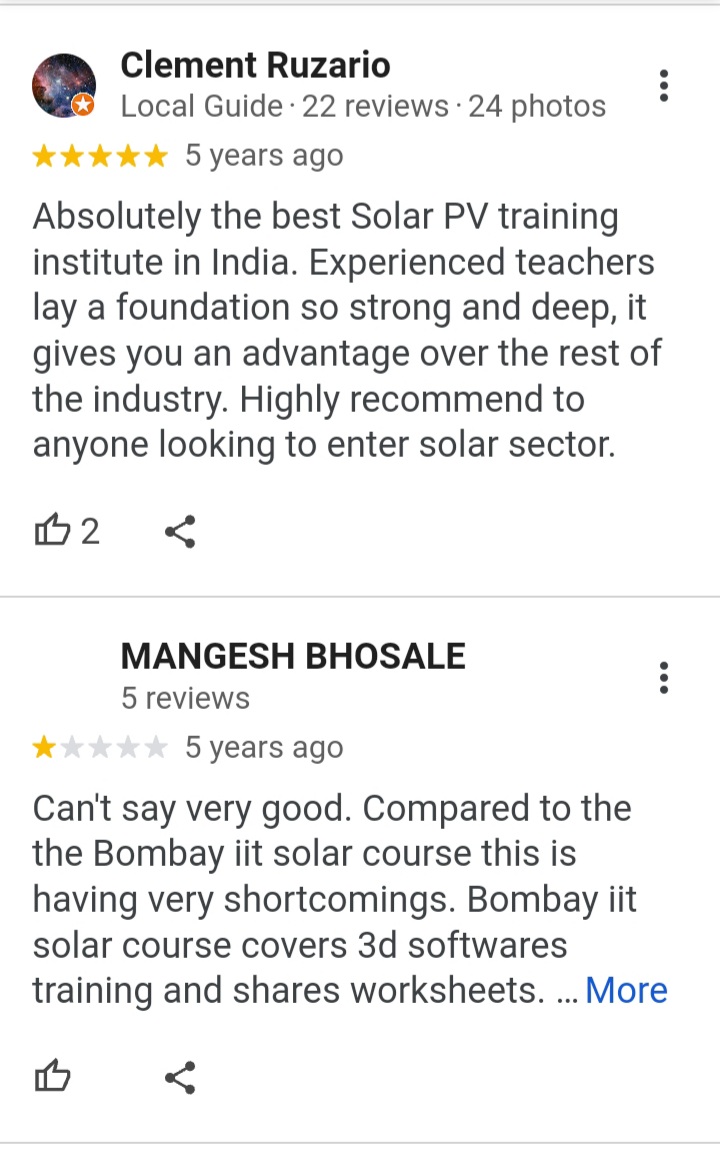
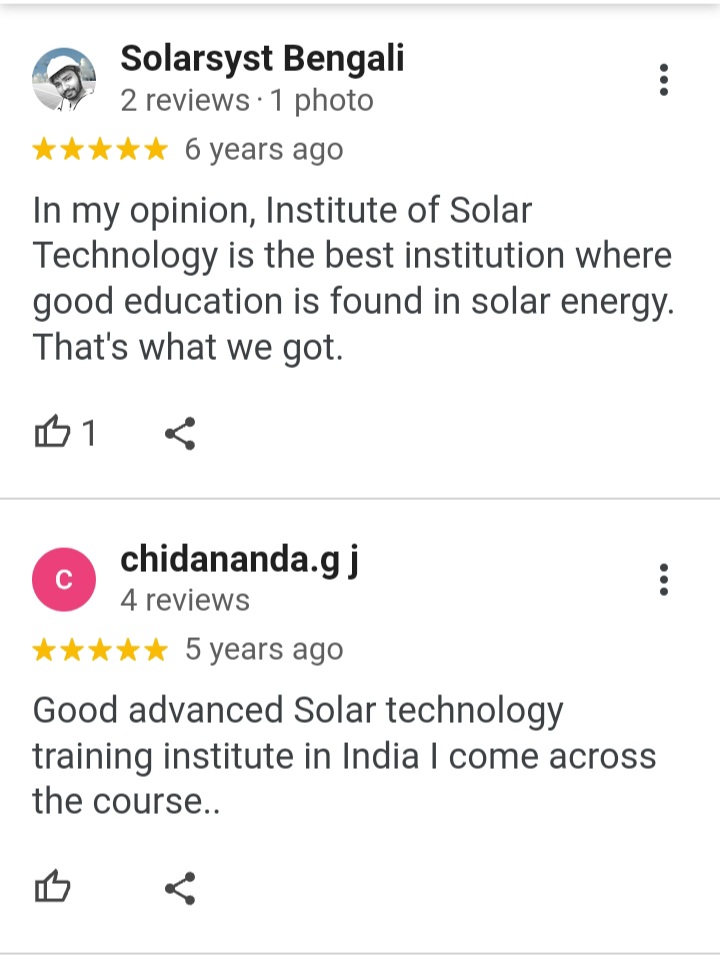
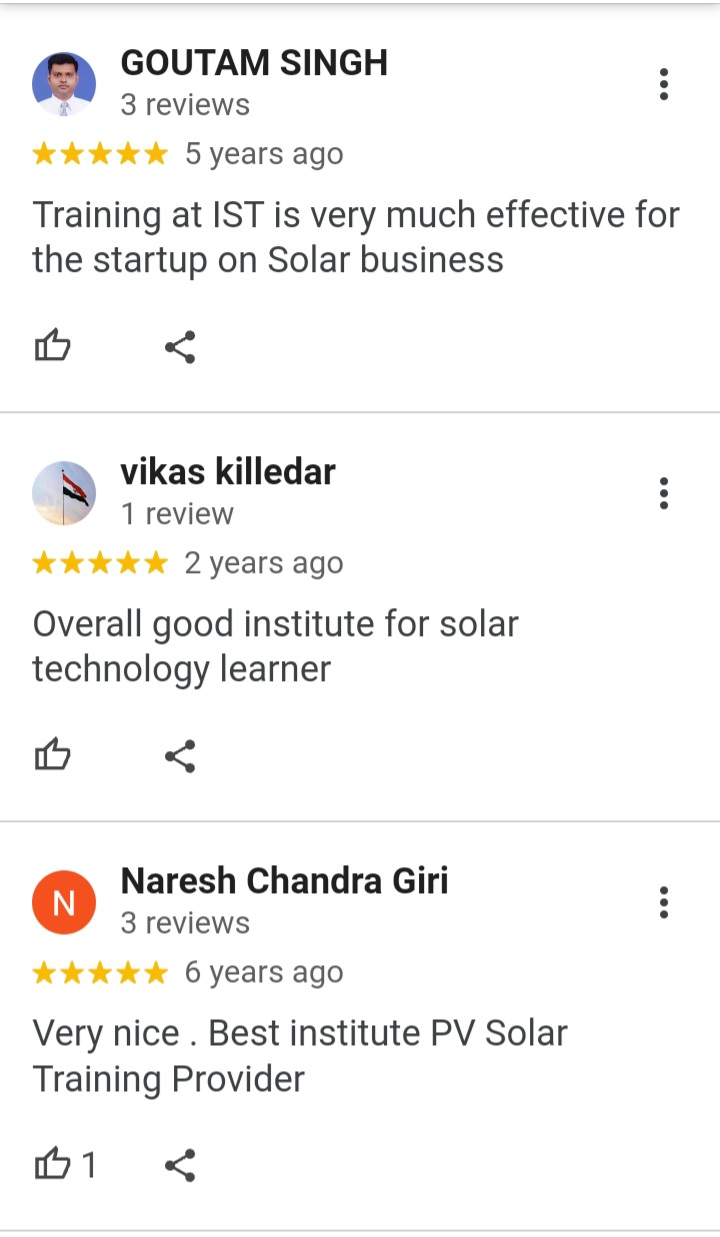
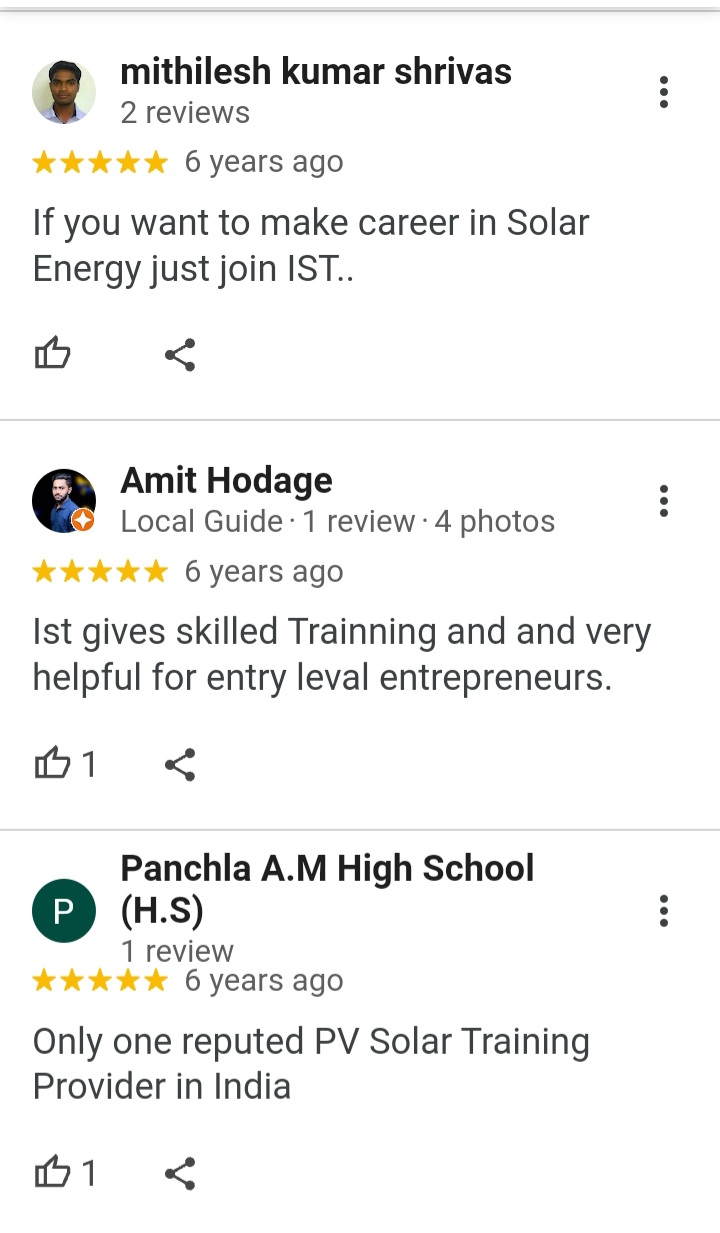
The Institute of Solar Technology (IST) aims to support solar professionals by improving their technical knowledge, practical engineering skills, and understanding of solar PV project development.
What Is SSEG Registration?
SSEG stands for Small-Scale Embedded Generation.
It refers to small electricity-generating systems, such as rooftop solar PV installations, that are connected to a distribution electricity network.
These systems may generate electricity for self-consumption and, where permitted, export surplus electricity to the grid.
In South Africa, municipalities and electricity distributors have specific application, technical, and approval requirements for SSEG installations.
SSEG registration helps ensure that solar PV systems are properly assessed, approved, installed, and connected to the electricity network.
Why Is SSEG Registration Important?
SSEG registration is important for several reasons:
Grid Safety: Ensures that solar PV systems operate safely alongside the electricity distribution network.
Regulatory Compliance: Helps system owners comply with applicable municipal and national requirements.
Equipment Compliance: Ensures that inverters and other equipment meet applicable technical standards.
Protection Coordination: Helps ensure appropriate electrical protection and anti-islanding functionality.
Energy Export Management: Establishes the conditions under which surplus electricity can be exported to the grid.
Professional Installation: Encourages proper engineering design, installation, testing, and commissioning.
Installing a grid-connected solar PV system without following the applicable approval and registration process can create safety and compliance issues.
Who Needs SSEG Registration?
SSEG registration may apply to:
Residential rooftop solar PV systems.
Commercial and industrial solar installations.
Grid-connected solar PV systems.
Solar PV systems with battery storage.
Systems designed for self-consumption.
Systems that export surplus electricity to the grid.
The exact requirements depend on the electricity distributor, municipality, system capacity, and type of installation.
Solar Project Design Master Course (Rooftop and Large solar system)
 Huge job opportunity Solar Design engineer job
Search Solar Design Engineer Job
For working professionals, early morning or night class slot available
👉 Introduce with Mentor
Solar Power Plant Releated Cloud Software access -
👉Know about IST SunPower System solar software
- Site Assessment
- Hybrid On-Grid System Simulation
- Solar DCDB Design
- Solar ACDB Design
- Solar Power Plant SLD
- Solar Project Quotation
- Solar Project Bankability Report
- Solar Power Plant BOQ
Admission going on for 3rd Batch of Dec - 2026
SSEG Registration Process in South Africa
Although requirements vary between municipalities and electricity distributors, the general registration process involves the following steps.
Step 1: Understand Local Municipality Requirements
Identify the electricity distributor responsible for the installation location.
Check its SSEG application guidelines, technical requirements, approved equipment requirements, and applicable tariffs.
Step 2: Prepare the Solar PV System Design
Prepare the technical design documents, including:
Solar PV system capacity.
Solar module specifications.
Inverter specifications.
Single-line electrical diagram (SLD).
DC and AC cable sizing calculations.
Earthing and lightning protection details.
Electrical protection arrangements.
Grid connection information.
Step 3: Submit the SSEG Application
Submit the required application forms and supporting technical documents to the relevant municipality or electricity distributor.
The application may require equipment datasheets, system drawings, inverter certificates, and other technical information.
Step 4: Technical Review and Approval
The electricity distributor reviews the application to determine whether the proposed system meets its technical and safety requirements.
Additional information or design modifications may be requested.
Step 5: Installation and Inspection
After obtaining the required approval, the solar PV system can be installed in accordance with the approved design and applicable electrical standards.
The installation may require inspection and verification by appropriately qualified professionals.
Step 6: Testing and Commissioning
Complete the required electrical tests and commissioning procedures.
These may include:
Insulation resistance testing.
Polarity verification.
Earthing continuity testing.
Protective device verification.
Inverter configuration checks.
Anti-islanding verification.
Operational performance checks.
Step 7: Final Registration and Permission to Operate
Submit the required completion documents, test results, and electrical compliance documentation.
The system should only be operated in accordance with the distributor's final approval and connection requirements.
Important Documents Required for SSEG Registration
The exact documentation depends on the municipality or electricity distributor. Commonly requested documents include:
Completed SSEG application form.
Solar PV system design drawings.
Single-line diagram (SLD).
Solar module datasheets.
Inverter datasheets.
Relevant inverter compliance certificates.
Electrical protection specifications.
Installation details.
Electrical Certificate of Compliance (CoC), where applicable.
Commissioning and test reports.
Metering information.
Proof of payment, where required.
Technical Standards and Compliance
Solar PV professionals must understand the applicable South African regulations, wiring requirements, and grid-connection standards.
Important references may include:
NRS 097 series – Grid interconnection of embedded generation.
SANS 10142-1 – The Wiring of Premises.
Applicable South African electrical installation regulations.
Relevant inverter and equipment certification requirements.
Municipal SSEG technical guidelines and connection conditions.
Always verify the latest editions and the specific requirements of the relevant electricity distributor before submitting an application.
Common Challenges in SSEG Registration
Solar installers and project developers may face several challenges during the application process.
1. Incorrect Technical Documentation
Incomplete drawings, missing datasheets, or incorrect system information can delay application approval.
2. Inverter Compliance Issues
An inverter that does not meet the distributor's applicable requirements may result in rejection or a request for additional documentation.
3. Incorrect Electrical Design
Improper cable sizing, protection selection, earthing arrangements, and grid connection design can create technical compliance issues.
4. Municipality-Specific Requirements
Different municipalities may have different application procedures, technical conditions, fees, and documentation requirements.
5. Incomplete Commissioning Reports
Missing test results or electrical compliance documents can delay final approval.
How the Institute of Solar Technology (IST) Supports Solar Professionals
The Institute of Solar Technology (IST) focuses on developing technical knowledge and practical skills in the renewable energy sector.
Understanding SSEG registration is an important part of professional solar PV project development.
Through solar training and technical learning resources, IST aims to help learners and industry professionals understand:
Solar PV system design and engineering.
Grid-connected solar PV systems.
Solar inverter selection and configuration.
DC and AC cable sizing.
Electrical protection and earthing.
Single-line diagram preparation.
Solar PV installation and commissioning.
Technical documentation and compliance.
Solar project planning and execution.
Our objective is to help build a skilled workforce capable of supporting the growing solar energy industry.
Career Opportunities in South Africa's Solar Industry
The growing solar PV market is creating opportunities for skilled professionals in several areas:
Solar PV Design Engineer.
Solar Installation Technician.
Solar Project Engineer.
Electrical Design Engineer.
Solar Project Developer.
Solar Quality and Inspection Technician.
Solar Operations and Maintenance Engineer.
Solar Technical Consultant.
Knowledge of SSEG registration and grid-connected solar PV systems can be a valuable professional skill for individuals working in the South African renewable energy sector.
Conclusion
SSEG registration is an important part of connecting small-scale solar PV generation systems to South Africa's electricity distribution network.
Solar professionals must understand the technical documentation, electrical safety requirements, applicable standards, and approval procedures before undertaking grid-connected solar installations.
The Institute of Solar Technology (IST) encourages continuous learning and professional development to help strengthen technical capabilities in the solar energy industry.
Learn Solar Technology. Build Technical Skills. Power the Future.
Institute of Solar Technology (IST)
Website: https://istpvsolarsimulator.com/
Explore solar technology, PV system design, engineering, and professional training resources.