Introduction
South Africa is experiencing rapid growth in solar photovoltaic (PV) installations as households, businesses, industries, and commercial properties look for reliable, affordable, and sustainable energy solutions.
One of the most important aspects of installing a grid-connected solar PV system in South Africa is understanding Small-Scale Embedded Generation (SSEG) requirements.
SSEG refers to electricity generation systems, such as rooftop solar PV installations, that are connected to the electricity distribution network. These systems can supply electricity directly to a building and, where permitted, export excess electricity to the grid.
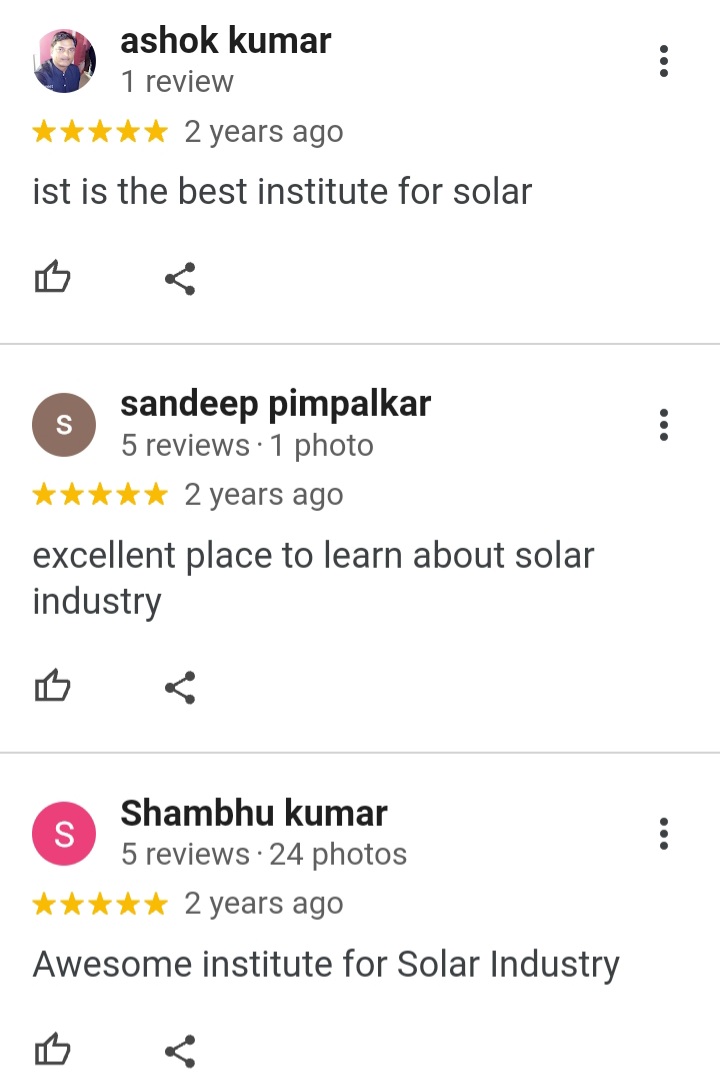
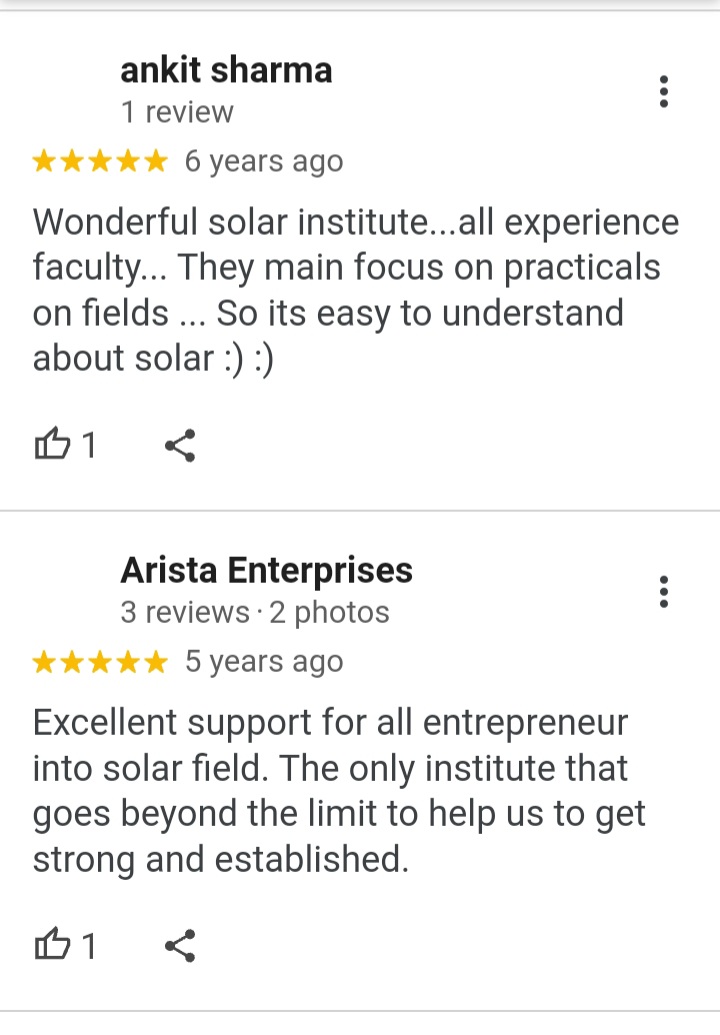
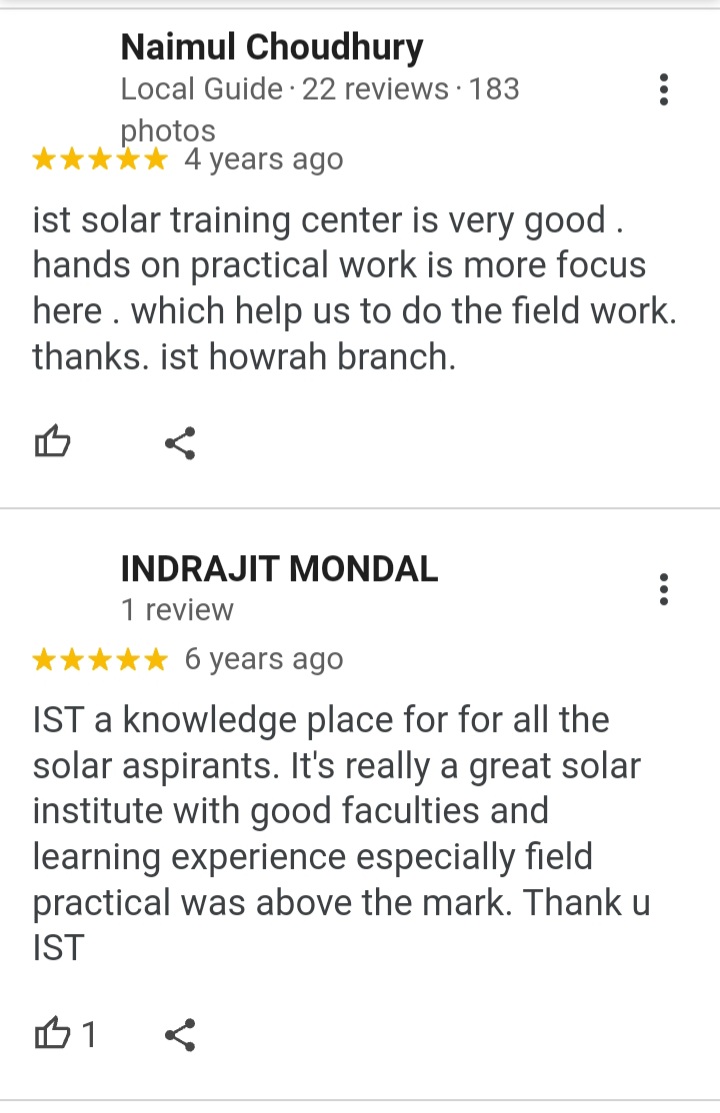
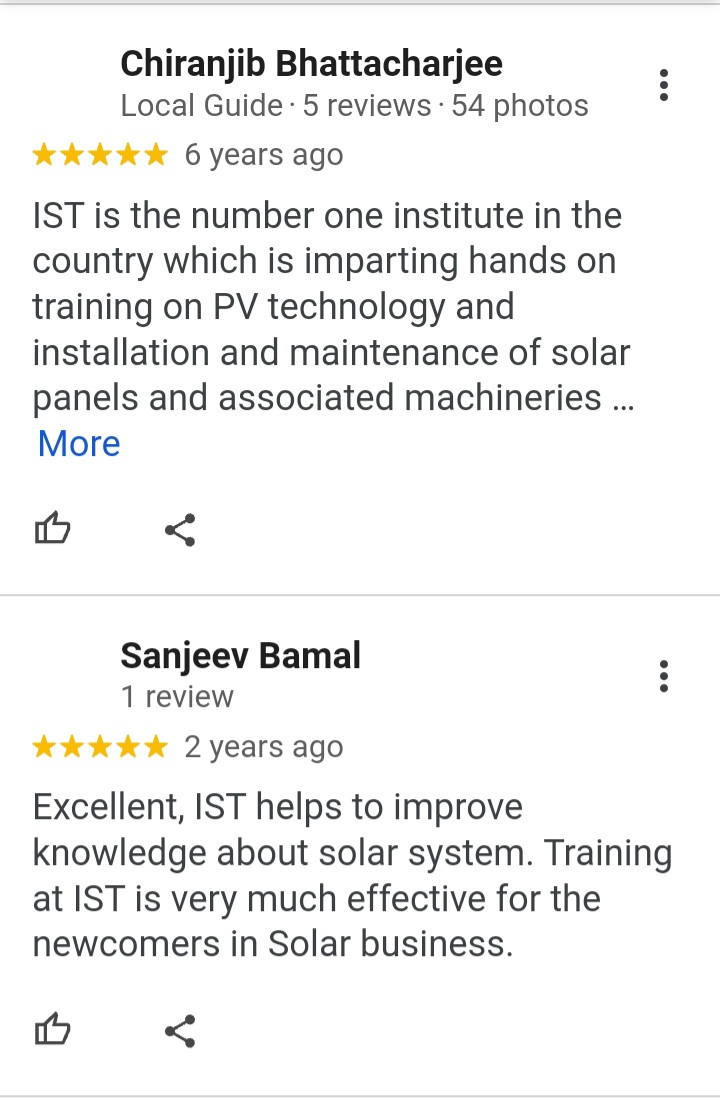
The Institute of Solar Technology (IST) provides solar PV education, technical training, and practical knowledge to help solar professionals understand solar installation, system design, electrical safety, and regulatory compliance.
In this guide, we explain the SSEG installation process, technical requirements, registration procedures, safety standards, and important considerations for solar PV installers in South Africa.
What Is SSEG in Solar PV?
SSEG stands for Small-Scale Embedded Generation.
It is a solar power generation system connected to the local electricity distribution network, usually through a building's electrical distribution board.
A typical SSEG installation includes:
Solar PV modules.
Grid-connected solar inverter.
DC cables and AC cables.
DC and AC protection devices.
Solar mounting structures.
Energy meter or approved bidirectional meter.
Earthing and lightning protection.
Optional battery energy storage system.
SSEG systems are commonly installed in residential homes, commercial buildings, factories, shopping centres, offices, and industrial facilities.
Types of Solar PV SSEG Systems
1. Grid-Tied Solar PV System
A grid-tied solar PV system operates in parallel with the electricity grid. Solar energy supplies the building's electrical loads, while the grid supplies additional electricity when solar generation is insufficient.
Excess electricity may be exported to the grid if the electricity distributor permits it.
2. Hybrid Solar PV System
A hybrid solar PV system combines solar panels, a hybrid inverter, battery storage, and the electricity grid.
The system can store excess solar energy in batteries for use during nighttime or power interruptions, depending on its configuration.
3. Grid-Connected Zero-Export System
A zero-export solar PV system is designed to prevent excess solar electricity from being exported to the electricity grid.
An export-limitation or control system regulates inverter output according to the building's electricity consumption.
Even when a system is configured for zero export, applicable SSEG registration and approval requirements still need to be checked.
SSEG Registration Requirements in South Africa
Before installing a grid-connected solar PV system, customers and installers must understand the applicable electricity distributor and regulatory requirements.
Depending on the installation capacity and point of connection, registration may involve:
Eskom.
The relevant local municipality.
The National Energy Regulator of South Africa (NERSA).
According to NERSA's regulatory clarification dated 2 February 2026:
Embedded generation facilities below 100 kW with a grid connection must register with the relevant electricity distributor.
Facilities with an installed capacity of 100 kW or more and a grid connection must register directly with NERSA.
Facilities without a point of connection to the electricity grid are exempt from these embedded-generation registration requirements.
Customers must also comply with the applicable technical approval and connection requirements of their electricity distributor.
Important: Registration and technical authorisation are not necessarily the same process. Customers should confirm the latest requirements with Eskom, their municipality, and NERSA before proceeding.
Solar Project Design Master Course (Rooftop and Large solar system)
 Huge job opportunity Solar Design engineer job
Search Solar Design Engineer Job
For working professionals, early morning or night class slot available
👉 Introduce with Mentor
Solar Power Plant Releated Cloud Software access -
👉Know about IST SunPower System solar software
- Site Assessment
- Hybrid On-Grid System Simulation
- Solar DCDB Design
- Solar ACDB Design
- Solar Power Plant SLD
- Solar Project Quotation
- Solar Project Bankability Report
- Solar Power Plant BOQ
Admission going on for 3rd Batch of Dec - 2026
Step-by-Step SSEG Installation Process
Step 1: Site Assessment
A professional solar PV installer should conduct a detailed site assessment before designing the solar installation.
The assessment should include:
Available rooftop or ground installation area.
Roof orientation and inclination.
Solar irradiation conditions.
Shading analysis.
Existing electrical infrastructure.
Customer electricity consumption.
Main distribution board capacity.
Existing grid connection details.
Step 2: Solar PV System Design
The next step is to prepare a technically suitable solar PV system design.
The design process includes:
Solar PV module selection.
Inverter capacity selection.
Solar string configuration.
DC cable sizing.
AC cable sizing.
Voltage drop calculation.
Protection device selection.
Earthing and bonding design.
Battery sizing, where applicable.
Single Line Diagram (SLD) preparation.
The proposed design must comply with the relevant technical requirements and electricity distributor specifications.
Step 3: SSEG Application and Approval
The customer or installer must submit an SSEG application to the relevant electricity distributor.
The application may require:
Customer and property details.
Electricity account information.
Solar PV system capacity.
Inverter technical specifications.
NRS 097-2-1 inverter type-test certification, where applicable.
Proposed Single Line Diagram.
Installation and protection details.
Other documents required by the distributor.
The installation should only proceed after obtaining the required approval to install.
Step 4: Solar PV Installation
Once the necessary approval is received, the installation can proceed.
The installation should be performed by competent and appropriately qualified electrical personnel.
Important installation activities include:
Mounting solar PV modules.
Installing the inverter.
Installing DC isolators and protection devices.
Installing AC protection devices.
Connecting DC and AC cables.
Installing earthing and bonding.
Installing battery storage, if applicable.
Configuring inverter protection and export control.
Step 5: Testing and Commissioning
After installation, the complete solar PV system must undergo appropriate inspection, testing, and commissioning.
Important checks include:
Solar PV string open-circuit voltage.
DC polarity verification.
Insulation resistance testing.
Earthing continuity.
AC voltage and frequency verification.
Protection device testing.
Inverter configuration.
Anti-islanding protection verification.
Export limitation testing, where applicable.
Battery operation testing, where installed.
All testing should follow the applicable standards and commissioning procedures.
Step 6: Certificate of Compliance (CoC)
The electrical installation must comply with applicable South African electrical safety requirements.
A Certificate of Compliance (CoC) must be issued by an appropriately registered electrical person where required.
The installation documentation should include the relevant commissioning report and final as-built electrical drawings.
Step 7: Final SSEG Authorisation
After successful installation and commissioning, the required reports and supporting documents must be submitted to the electricity distributor.
The distributor may review the documentation, inspect the installation, and verify the metering arrangements.
The solar PV system should only be connected and operated in accordance with the distributor's written authorisation and applicable connection requirements.
Important Standards for Solar PV SSEG Installation
Solar PV installers and designers should understand the following standards and regulatory requirements:
1. NRS 097-2-1
Requirements for the grid interconnection of embedded generation systems through inverters, including inverter performance and certification.
2. NRS 097-2-3
Requirements and assessment considerations for the connection of embedded generation to distribution networks.
3. SANS 10142-1
The South African wiring code covering electrical installations.
4. SANS 10142-1-2
Requirements relating to embedded generation installations, where applicable and as published.
5. South African Distribution Code
Relevant technical requirements for connecting generation facilities to electricity distribution networks.
6. Electricity Regulation Act
The legislative framework governing electricity generation, distribution, and regulatory requirements in South Africa.
Installers must always verify the latest editions and applicable requirements before starting a project.
Essential Documents for SSEG Registration
The documents required may vary depending on the electricity distributor, system size, and installation type.
Common documents include:
SSEG application form.
Solar PV system technical specifications.
Solar inverter datasheet.
NRS 097-2-1 inverter type-test certificate, where required.
Single Line Diagram (SLD).
Solar PV module datasheet.
Electrical installation Certificate of Compliance.
SSEG commissioning report.
Final as-built drawings.
Metering and protection information.
Additional documents requested by the electricity distributor.
Why Is SSEG Registration Important?
SSEG registration and approval are important for electrical safety, grid stability, and legal compliance.
The main benefits include:
Protecting electricity network workers.
Preventing unsafe electricity back-feeding.
Maintaining grid voltage and power quality.
Ensuring appropriate inverter protection.
Supporting correct electricity metering.
Enabling approved electricity export arrangements.
Improving the safety and reliability of solar installations.
An incorrectly installed grid-connected solar PV system can create electrical hazards and damage the distribution network.
Common Mistakes During Solar PV SSEG Installation
Solar installers should avoid the following mistakes:
Installing a grid-connected solar system without the required approval.
Using an inverter without the required grid-compliance certification.
Incorrect DC and AC cable sizing.
Improper earthing and bonding.
Incorrect solar string configuration.
Inadequate overcurrent and surge protection.
Incorrect inverter grid protection settings.
Ignoring anti-islanding requirements.
Failing to submit commissioning documentation.
Operating the system before receiving the required authorisation.
Proper engineering, installation, testing, and documentation are essential for a successful SSEG project.
Learn Solar PV Installation and System Design with IST
The Institute of Solar Technology (IST) aims to develop skilled solar professionals through technical education, practical training, and industry-focused learning.
Our solar training approach covers important areas of the solar PV industry, including:
Solar PV fundamentals.
Solar PV system design and sizing.
Grid-tied and hybrid solar systems.
Solar inverter selection.
DC and AC cable sizing.
Solar PV protection and safety.
Solar PV installation procedures.
Solar PV testing and commissioning.
Solar PV system performance analysis.
Solar project planning and implementation.
Whether you are a student, electrician, solar installer, engineer, entrepreneur, or renewable energy professional, understanding SSEG requirements is an important step towards building a successful career in the solar energy industry.
Conclusion
Solar PV SSEG installation is an important part of South Africa's transition towards renewable energy.
However, installing solar panels is only one part of a successful project. Proper system design, electrical safety, inverter certification, regulatory registration, testing, commissioning, and distributor approval are equally important.
By understanding the SSEG process and following the applicable South African standards, solar professionals can deliver safe, reliable, and compliant solar PV installations.
Institute of Solar Technology (IST) – Building Solar Skills, Developing Solar Professionals, and Supporting the Renewable Energy Future.
Visit IST: https://istpvsolarsimulator.com/
Start learning solar technology with the Institute of Solar Technology (IST).