Introduction
The solar energy industry in India is growing rapidly, creating excellent business opportunities for entrepreneurs, electrical contractors, engineers, technicians, and aspiring business owners. Government initiatives, increasing electricity prices, rooftop solar installations, and growing awareness of renewable energy are driving demand for solar power systems.
Starting a solar panel business in India can be a profitable opportunity with the right business strategy, technical knowledge, investment planning, and marketing approach. The business can range from solar panel dealership and distribution to rooftop solar installation, EPC services, solar maintenance, and solar product manufacturing.
Solar Project Design Master Course (Rooftop and Large solar system)
 Huge job opportunity Solar Design engineer job
Search Solar Design Engineer Job
For working professionals, early morning or night class slot available
👉 Introduce with Mentor
Solar Power Plant Releated Cloud Software access -
👉Know about IST SunPower System solar software
- Site Assessment
- Hybrid On-Grid System Simulation
- Solar DCDB Design
- Solar ACDB Design
- Solar Power Plant SLD
- Solar Project Quotation
- Solar Project Bankability Report
- Solar Power Plant BOQ
Admission going on for 4th Batch of Dec - 2026
1. Understand Different Solar Business Opportunities
Before starting a solar business, decide which business model you want to operate.
Solar Panel Dealership: Sell solar panels from established manufacturers.
Solar Product Distribution: Supply solar panels, inverters, batteries, cables, mounting structures, and accessories to installers and dealers.
Rooftop Solar Installation: Install residential, commercial, and industrial solar power systems.
Solar EPC Business: Provide engineering, procurement, and construction services for complete solar projects.
Solar Consultancy: Provide solar feasibility studies, system design, project reports, and financial analysis.
Solar Maintenance Business: Offer solar panel cleaning, inspection, troubleshooting, and annual maintenance contracts (AMC).
Solar Manufacturing: Manufacture solar panels, mounting structures, electrical components, or other solar products.
2. Business Registration and Legal Requirements
To establish a solar business in India, consider the following registrations and requirements:
Proprietorship, Partnership, LLP, or Private Limited Company registration.
PAN card and business bank account.
GST registration, where applicable.
Udyam MSME registration, if eligible.
Shop and Establishment registration, where applicable.
Local trade licence, where applicable.
Electrical contractor licence or qualified electrical personnel, wherever required for the proposed work.
Applicable DISCOM empanelment and vendor registration for subsidy-linked rooftop solar projects.
Requirements vary depending on the business model, state, project size, and applicable regulations.
3. Investment Required to Start a Solar Business
The investment depends on the scale and type of business.
Typical planning estimates:
Small solar consultancy: ₹50,000–₹1,50,000.
Solar installation startup: ₹1,50,000–₹5,00,000.
Solar dealership: ₹3,00,000–₹10,00,000.
Solar distribution business: ₹5,00,000–₹25,00,000.
Solar EPC company: ₹5,00,000–₹25,00,000 or more.
Solar manufacturing unit: Investment depends on production capacity, machinery, factory infrastructure, and technology.
These are indicative business-planning estimates, not guaranteed setup costs. Prepare a detailed project report before investing.
4. Essential Solar Products and Equipment
A solar business may require the following products and equipment:
Solar PV modules.
On-grid, off-grid, and hybrid solar inverters.
Lithium-ion and lead-acid batteries.
Solar charge controllers.
DC and AC distribution boxes.
Solar DC cables and AC cables.
MC4 connectors.
Mounting structures.
Earthing and lightning protection systems.
Solar monitoring systems.
Installation tools and safety equipment.
5. Technical Knowledge Required
Technical knowledge is essential for providing reliable solar solutions.
Important topics include:
Solar photovoltaic technology.
Solar panel types and specifications.
Solar system design and sizing.
Rooftop solar feasibility analysis.
Solar panel orientation and tilt angle.
DC and AC cable sizing.
Inverter selection and sizing.
Battery sizing and backup calculations.
Earthing and lightning protection.
Solar generation and performance analysis.
Installation, commissioning, and maintenance.
Solar project cost estimation and financial analysis.
6. Government Schemes and Subsidies
India offers government initiatives to promote solar energy adoption.
The PM Surya Ghar: Muft Bijli Yojana supports eligible residential rooftop solar installations through the applicable subsidy mechanism.
Businesses interested in participating in subsidy-linked residential installations should understand the current National Portal process, vendor registration requirements, technical standards, and DISCOM procedures.
Always verify the latest scheme guidelines through official government portals before making customer commitments.
7. How to Find Solar Customers
Marketing and customer acquisition are important for building a successful solar business.
Recommended marketing strategies:
Create a professional business website.
Register your business on Google Business Profile.
Promote solar solutions through Facebook, Instagram, and YouTube.
Use WhatsApp Business for customer communication.
Develop relationships with electricians and electrical contractors.
Contact residential societies, commercial buildings, factories, and institutions.
Provide free preliminary rooftop solar assessments.
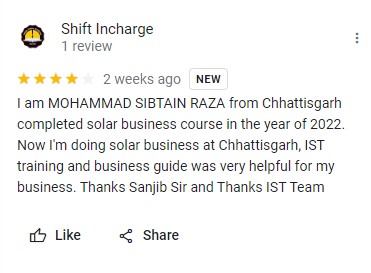
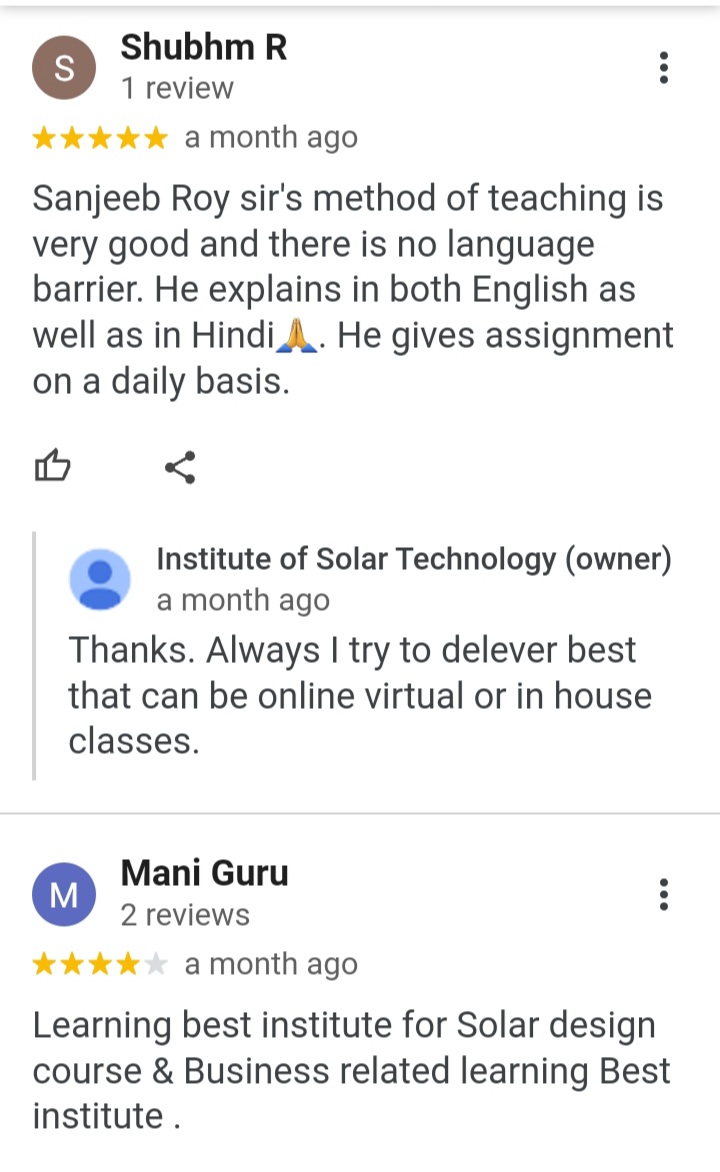
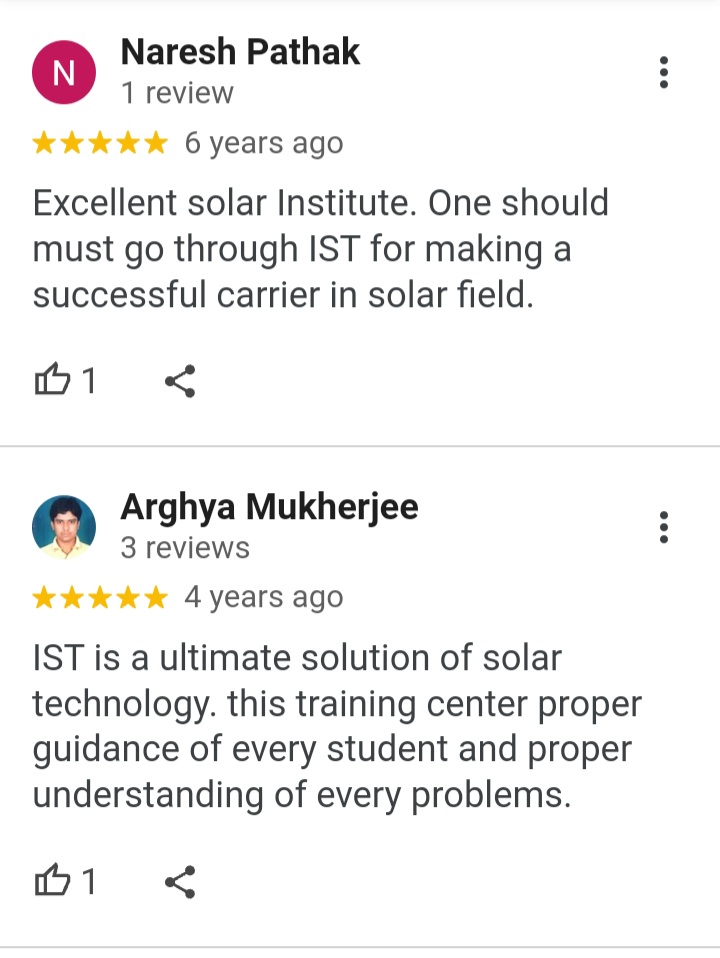
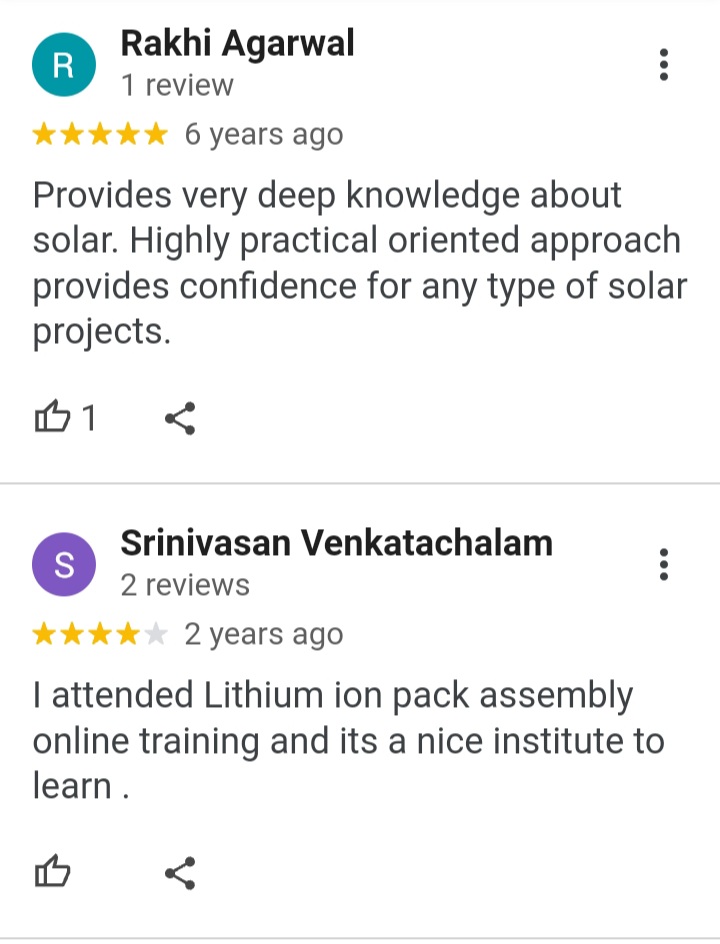
Share solar project case studies and customer testimonials.
Build partnerships with solar manufacturers and distributors.
8. Solar Business Profit and Revenue Opportunities
Solar businesses can generate revenue through different activities:
Solar panel and inverter sales.
Solar system installation charges.
EPC project execution.
Solar consultancy and system design.
Annual maintenance contracts.
Solar cleaning and inspection services.
Battery replacement and upgrade services.
Solar accessories and spare parts distribution.
Actual profit depends on purchase prices, competition, installation costs, operating expenses, warranty obligations, and customer acquisition costs. Prepare quotations and project-wise profit calculations before accepting orders.
9. Importance of Professional Solar Training
Professional solar training helps entrepreneurs understand the technical and commercial aspects of the solar industry.
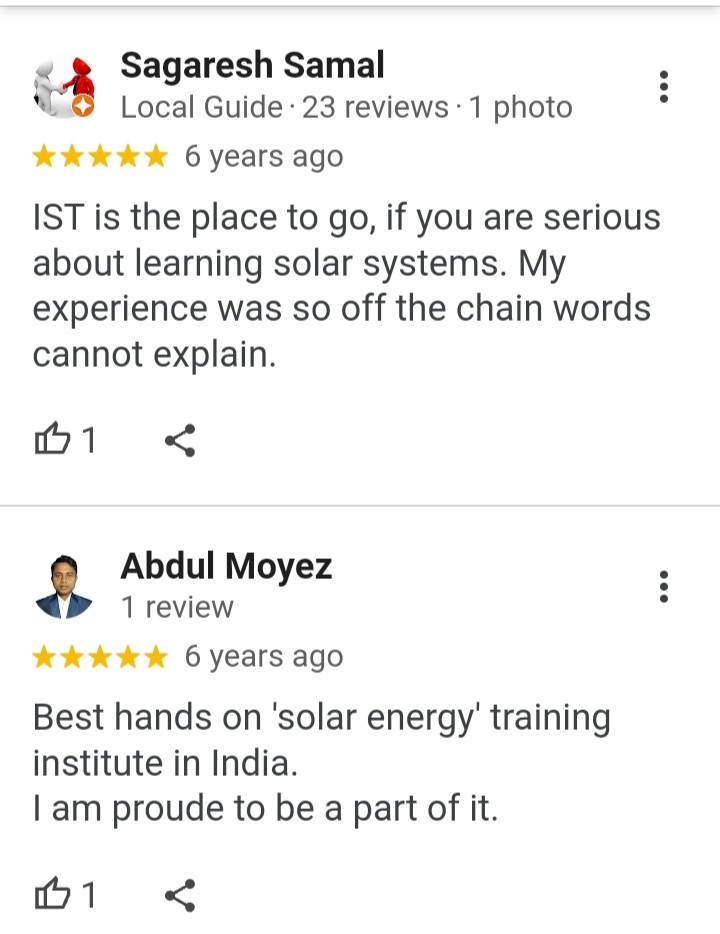
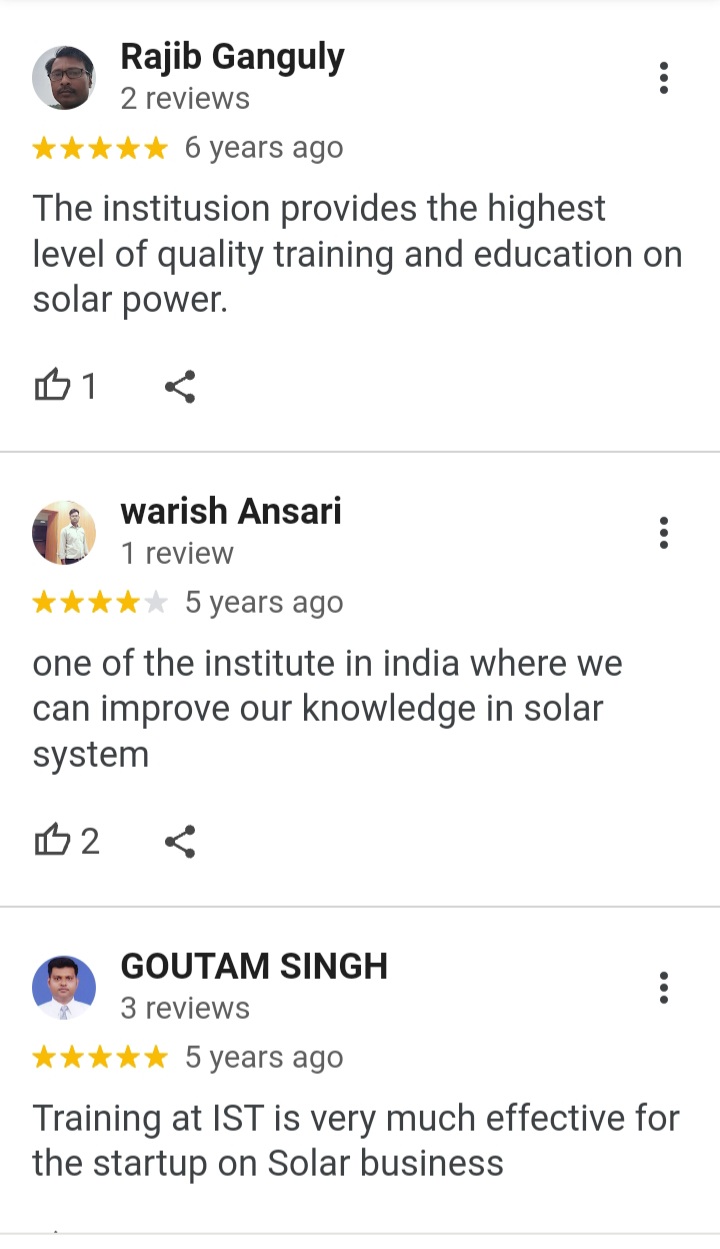
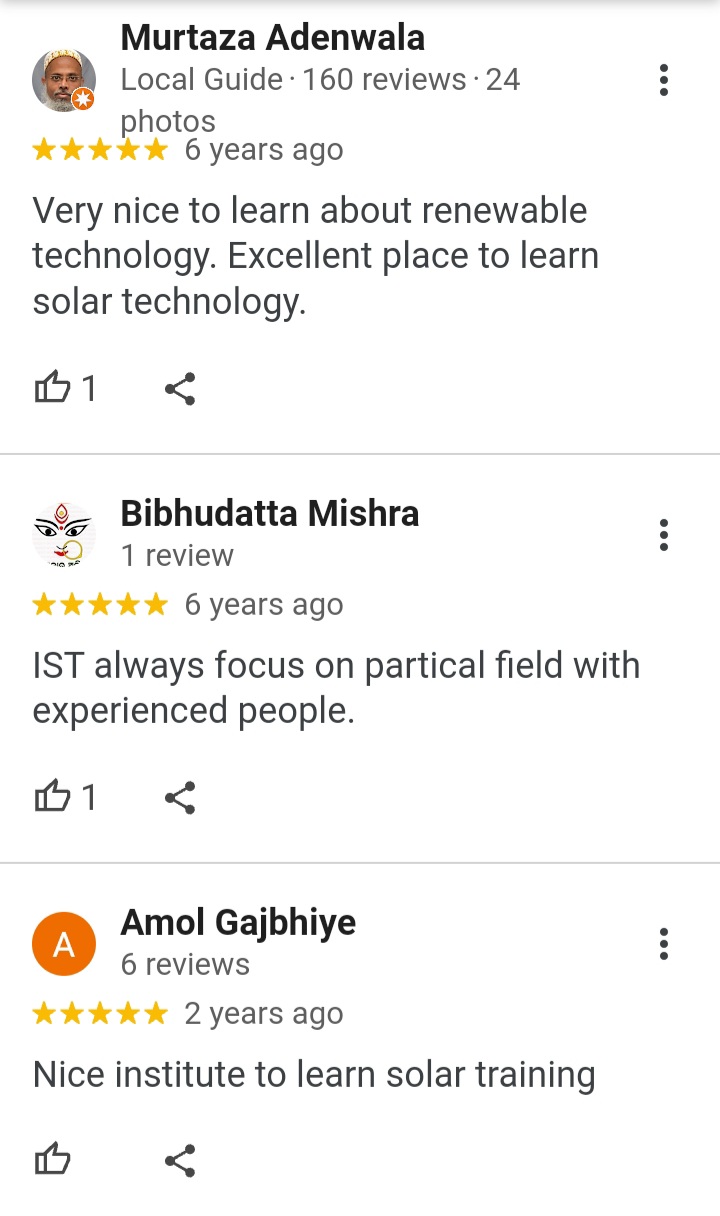
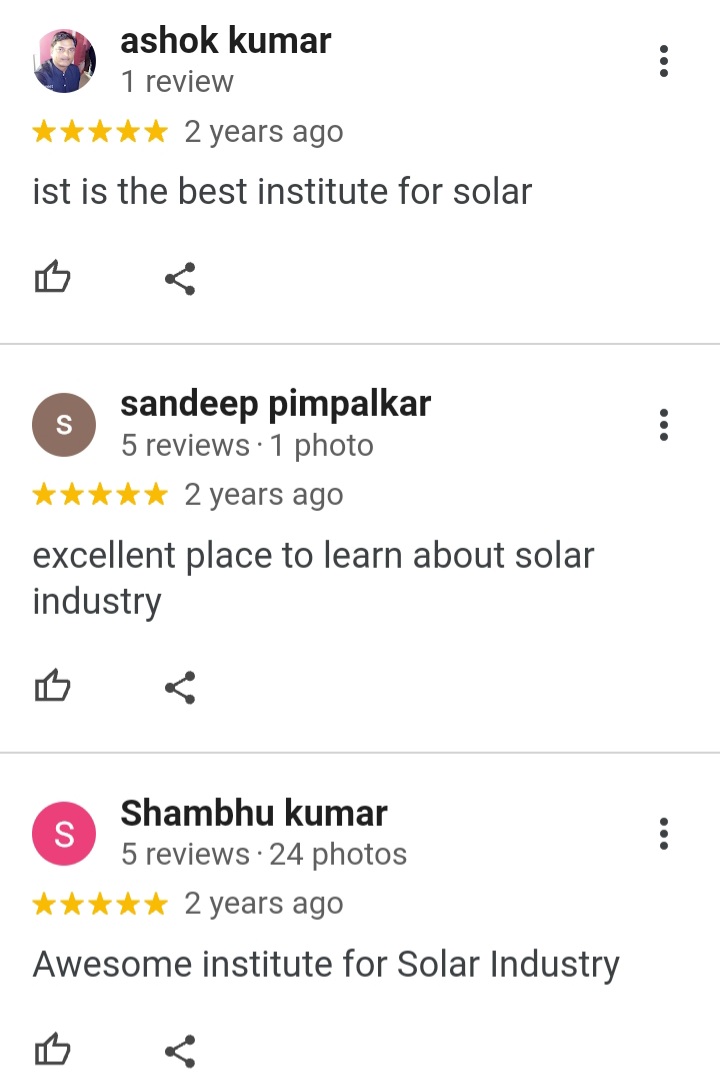
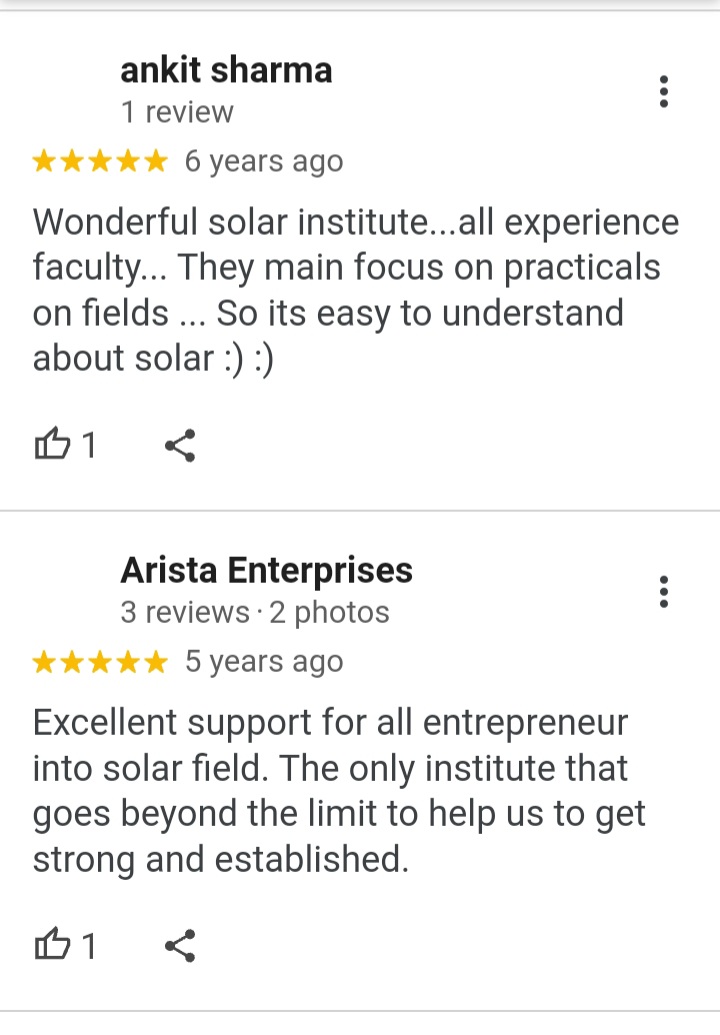
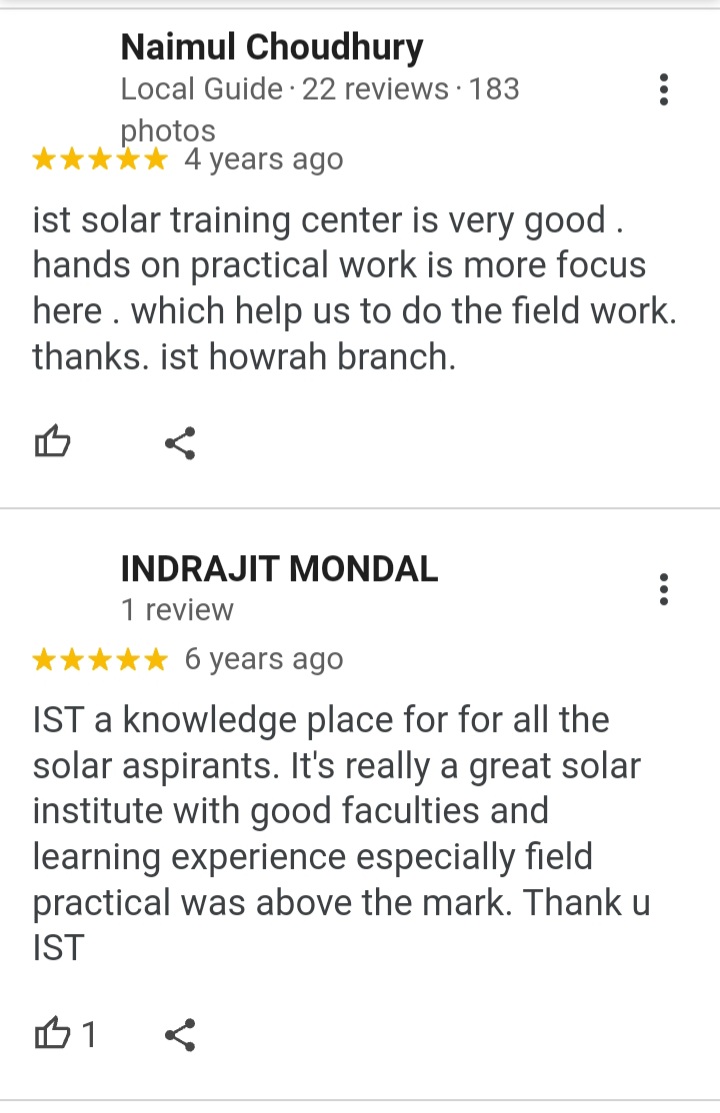
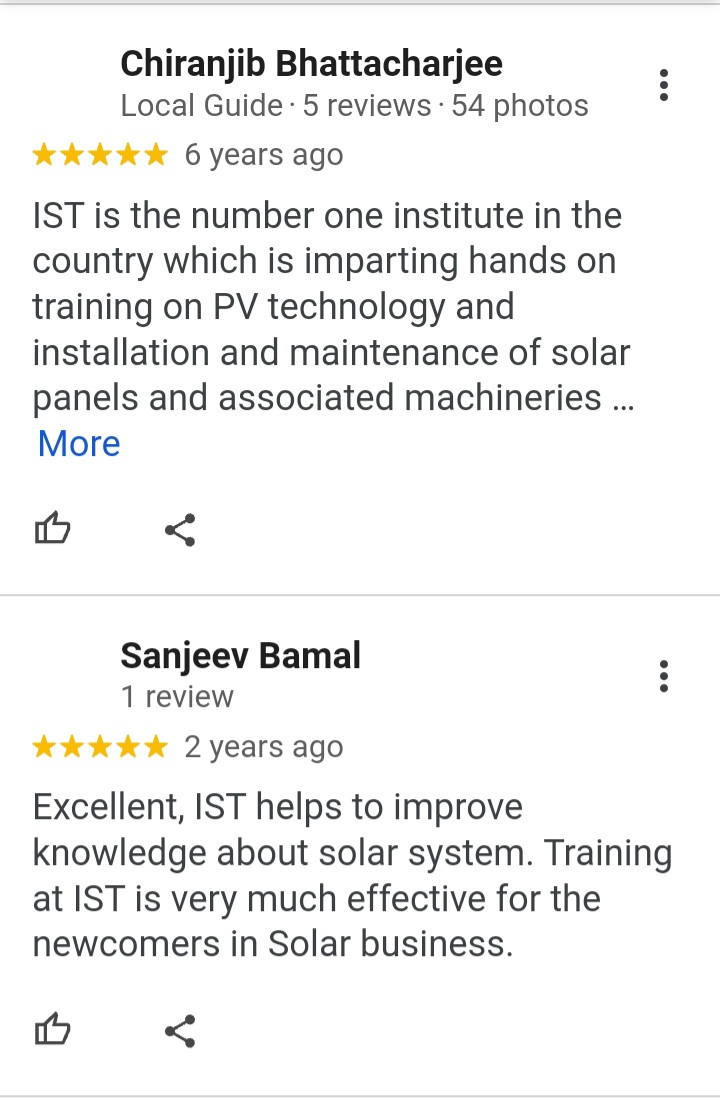
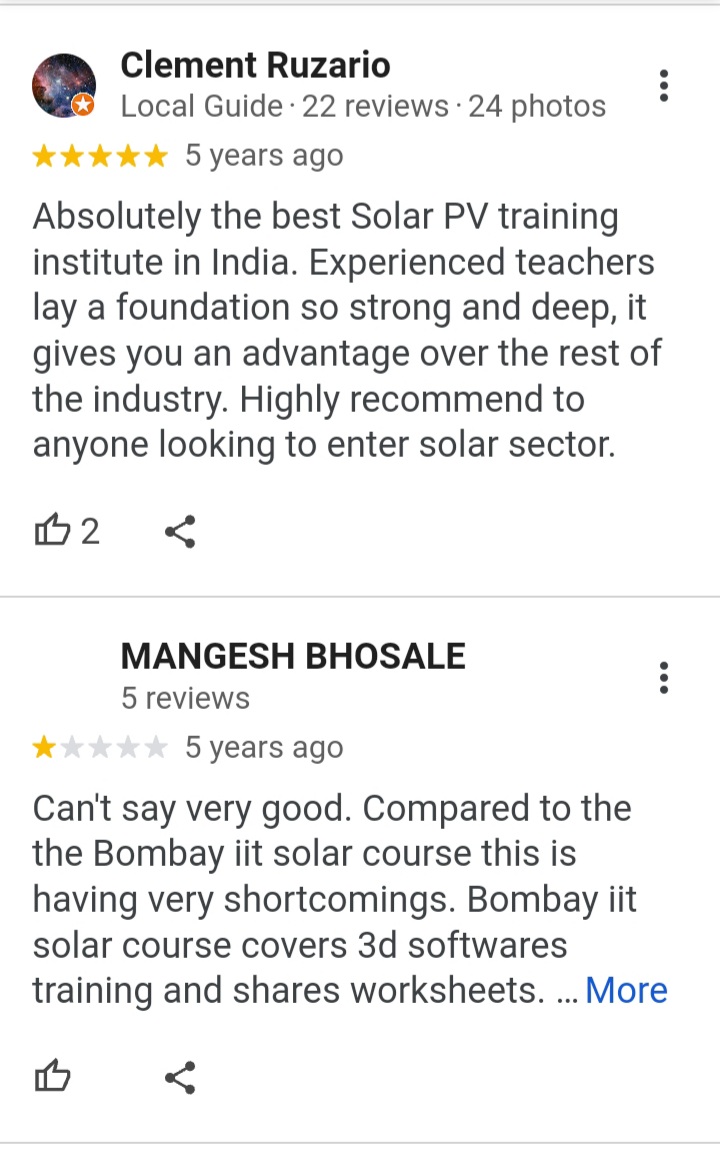
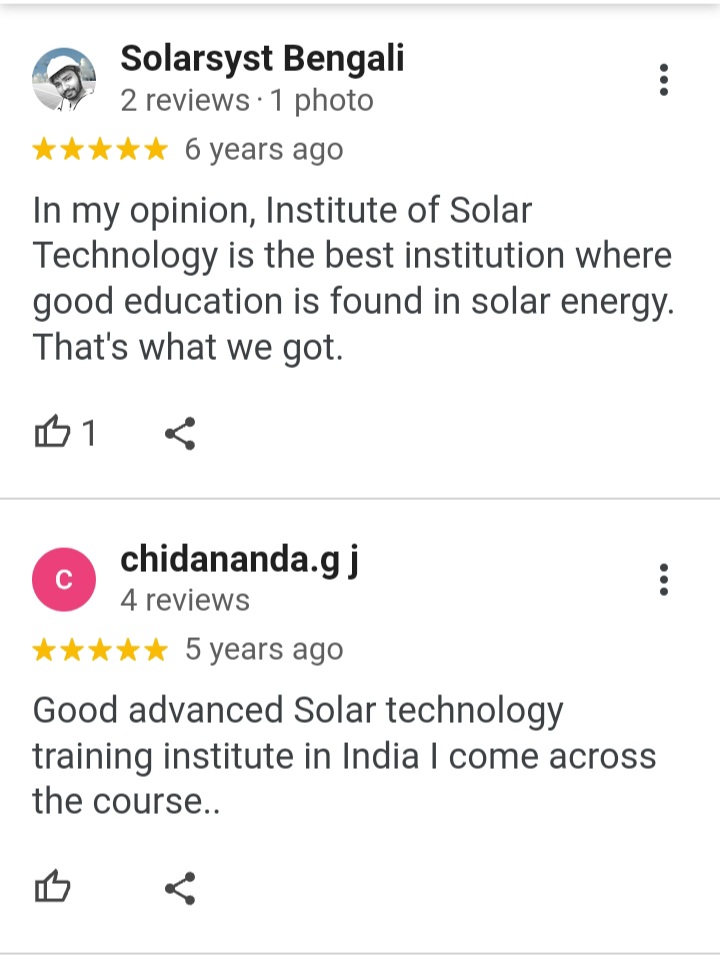
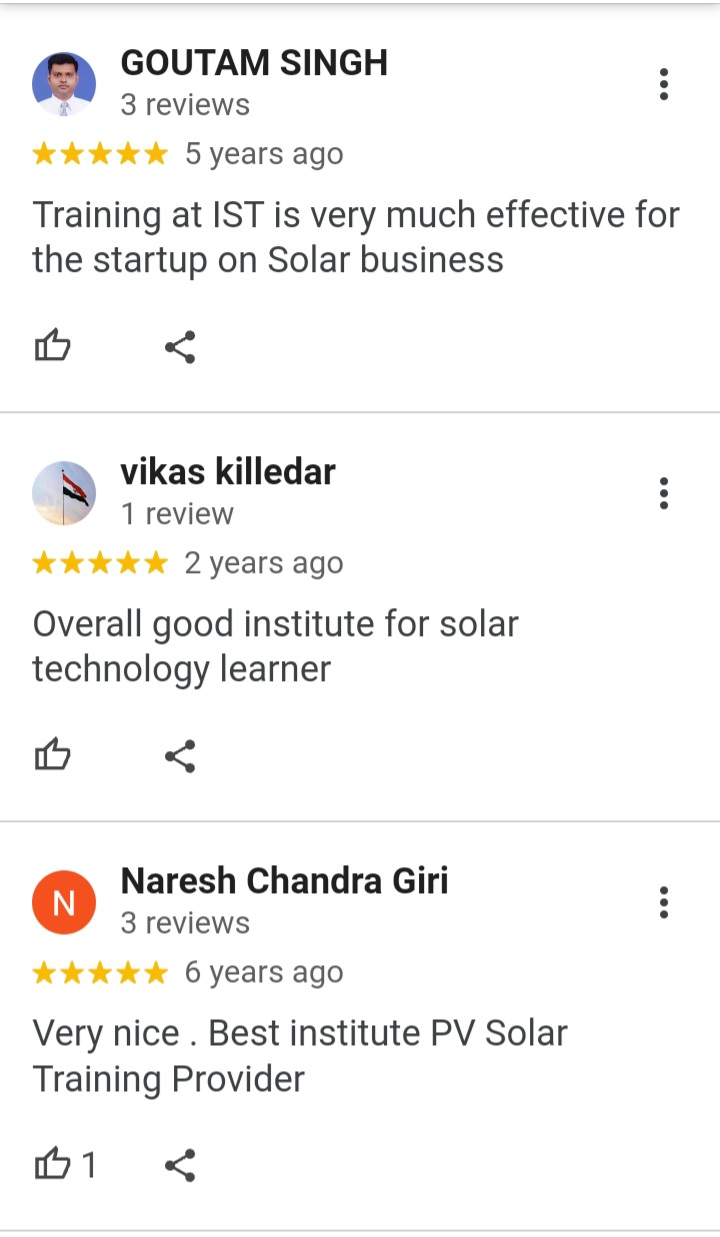
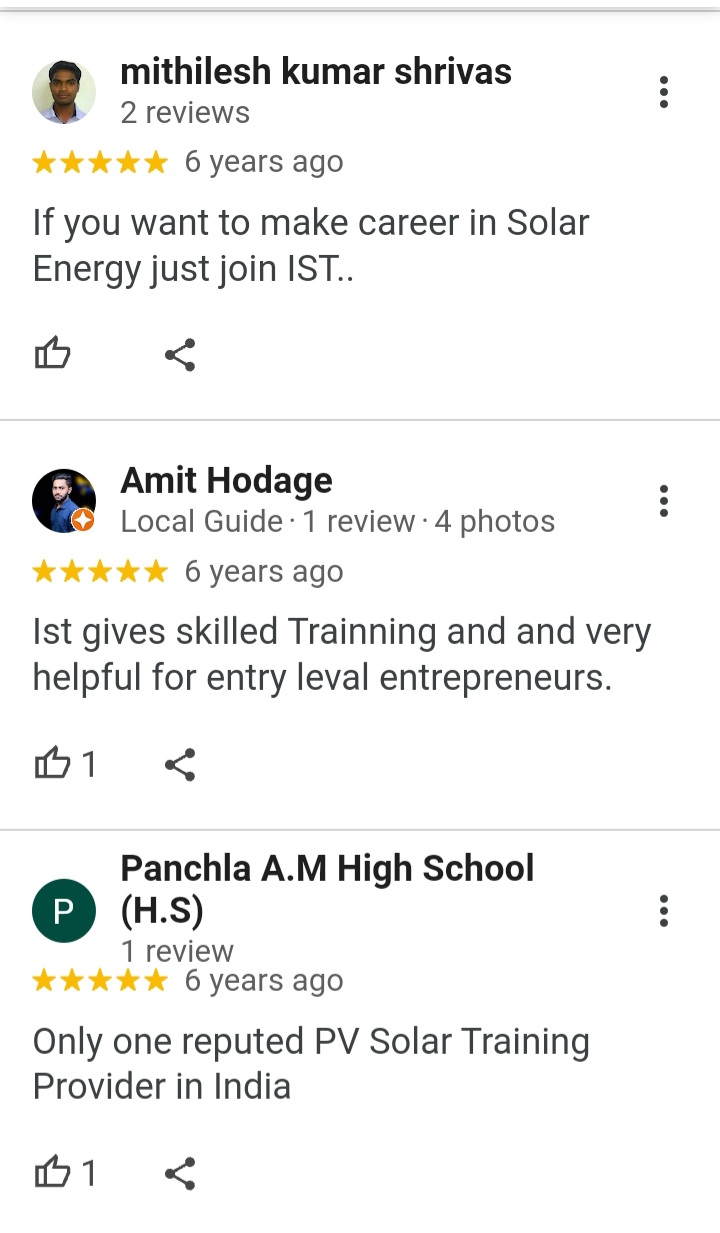
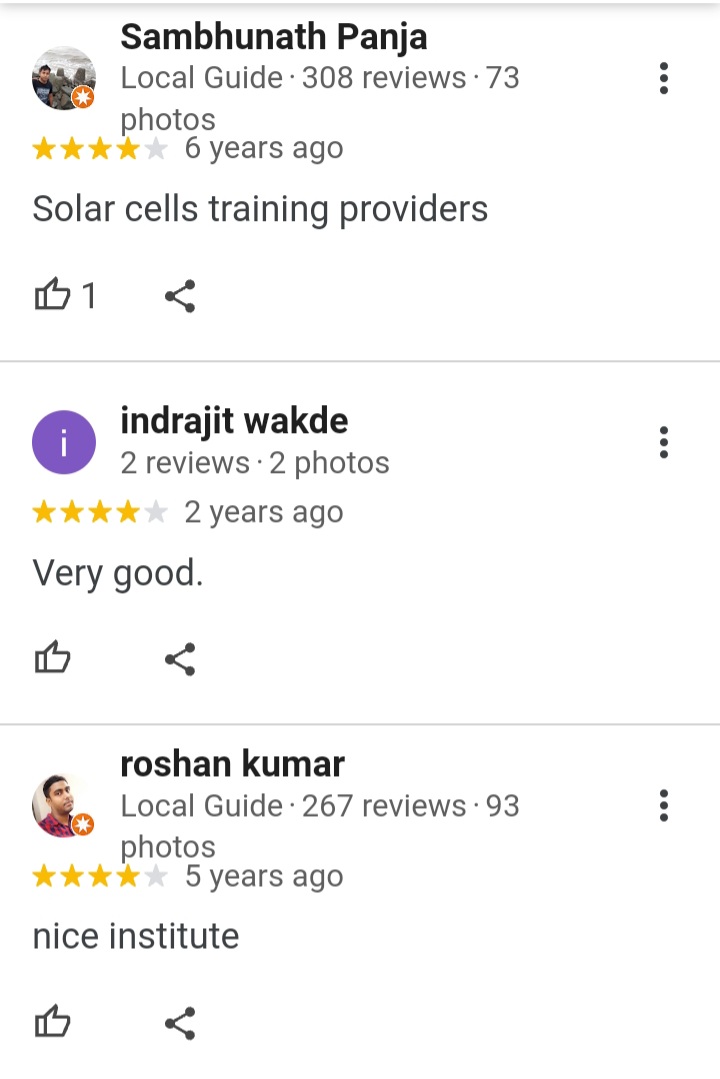
The Institute of Solar Technology (IST) provides solar education and practical learning opportunities covering important areas such as:
Solar PV technology and fundamentals.
Solar panel manufacturing.
Rooftop solar system design.
Solar installation and commissioning.
Solar system sizing and calculations.
Solar financial analysis.
Solar project management.
Solar business development.
Solar operation and maintenance.
Technical and commercial training can help aspiring entrepreneurs build the knowledge required to enter the solar industry confidently.
10. Start Your Solar Business with IST
The Institute of Solar Technology (IST) aims to support students, entrepreneurs, engineers, technicians, and solar industry professionals through technical and commercial solar education.
Whether you want to start a solar dealership, become a solar installer, establish an EPC company, or develop a solar consultancy business, understanding solar technology and business operations is an important first step.
Conclusion
Starting a solar panel business in India offers opportunities across sales, installation, distribution, consultancy, EPC services, and manufacturing. Success requires proper business planning, technical expertise, reliable suppliers, quality installation practices, and effective marketing.
Build your solar knowledge with the Institute of Solar Technology (IST) and take the first