Introduction
The solar energy industry in India is growing rapidly due to increasing electricity demand, government initiatives, renewable energy targets, and rising awareness of clean energy. Starting a solar panel business in India offers excellent opportunities for entrepreneurs, investors, engineering professionals, and renewable energy companies.
With the expansion of rooftop solar installations, residential solar projects, commercial and industrial solar systems, solar farms, and government-supported schemes, the solar industry offers several business opportunities.
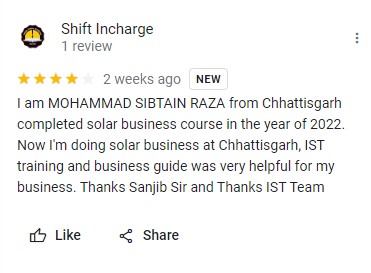
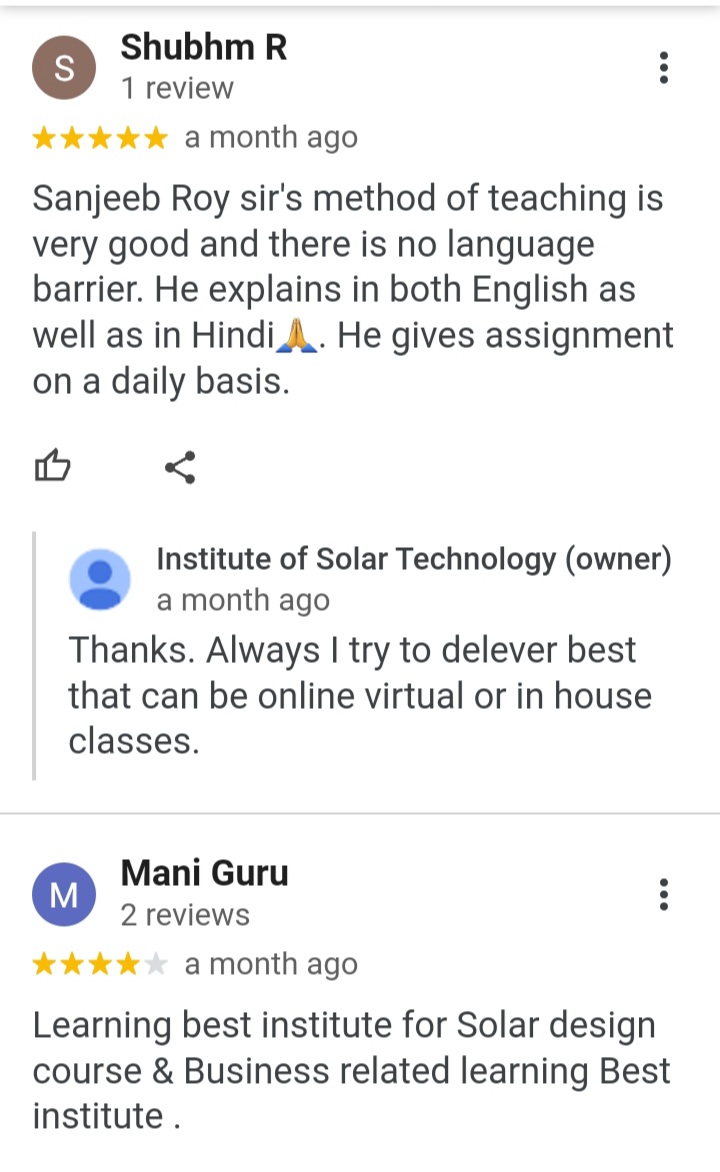
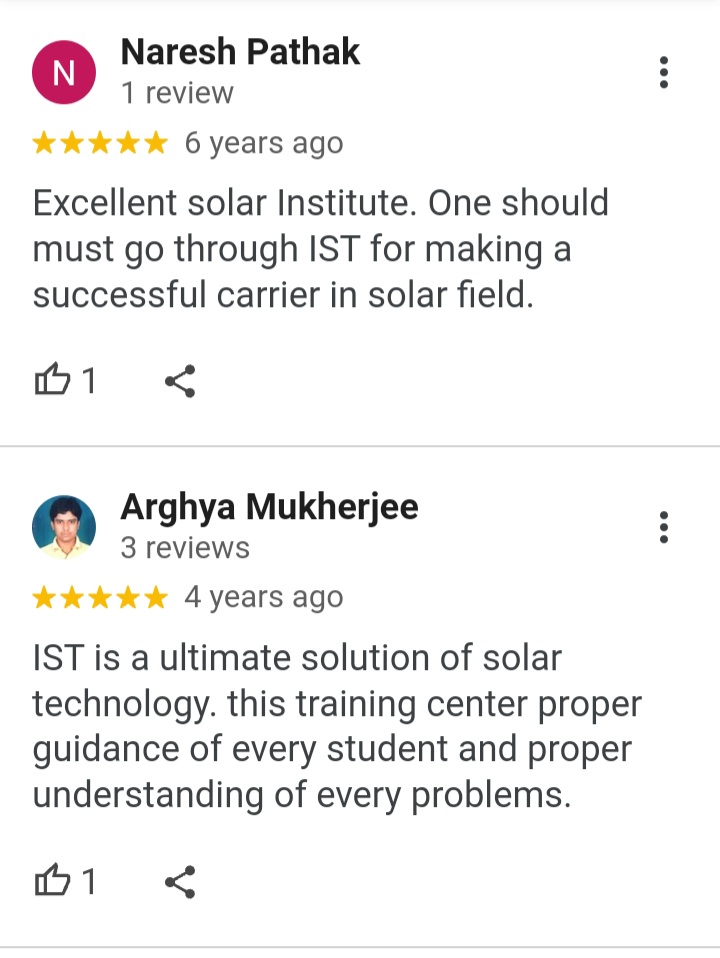
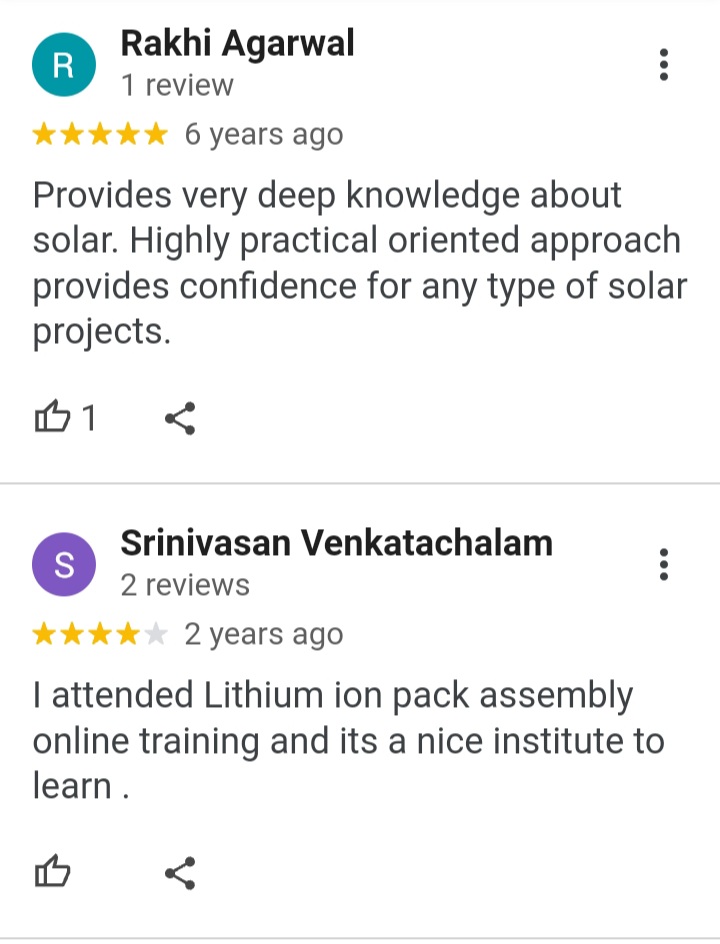
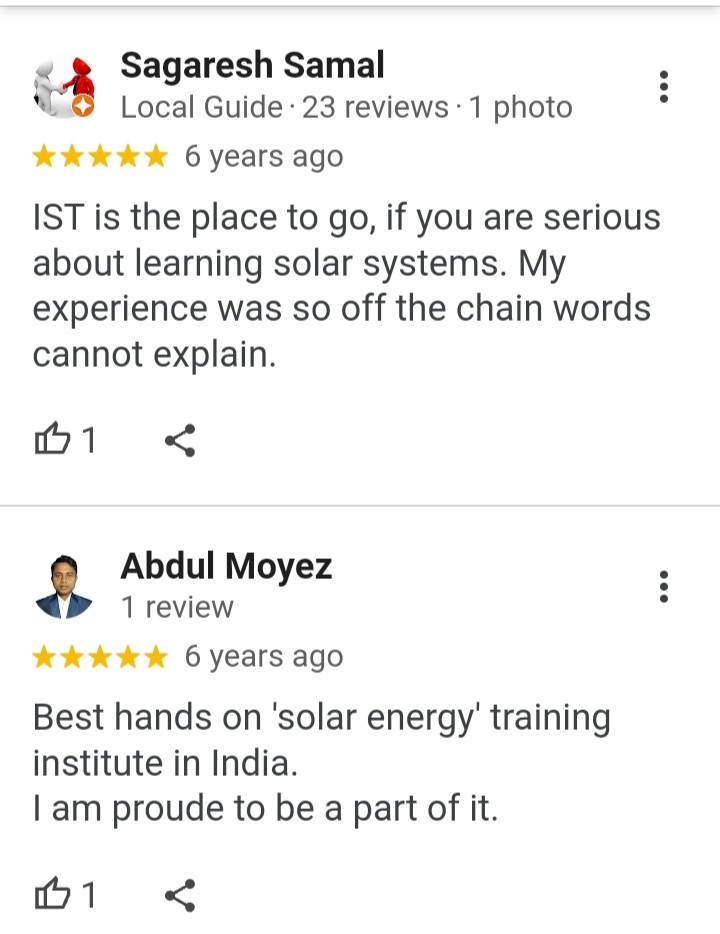
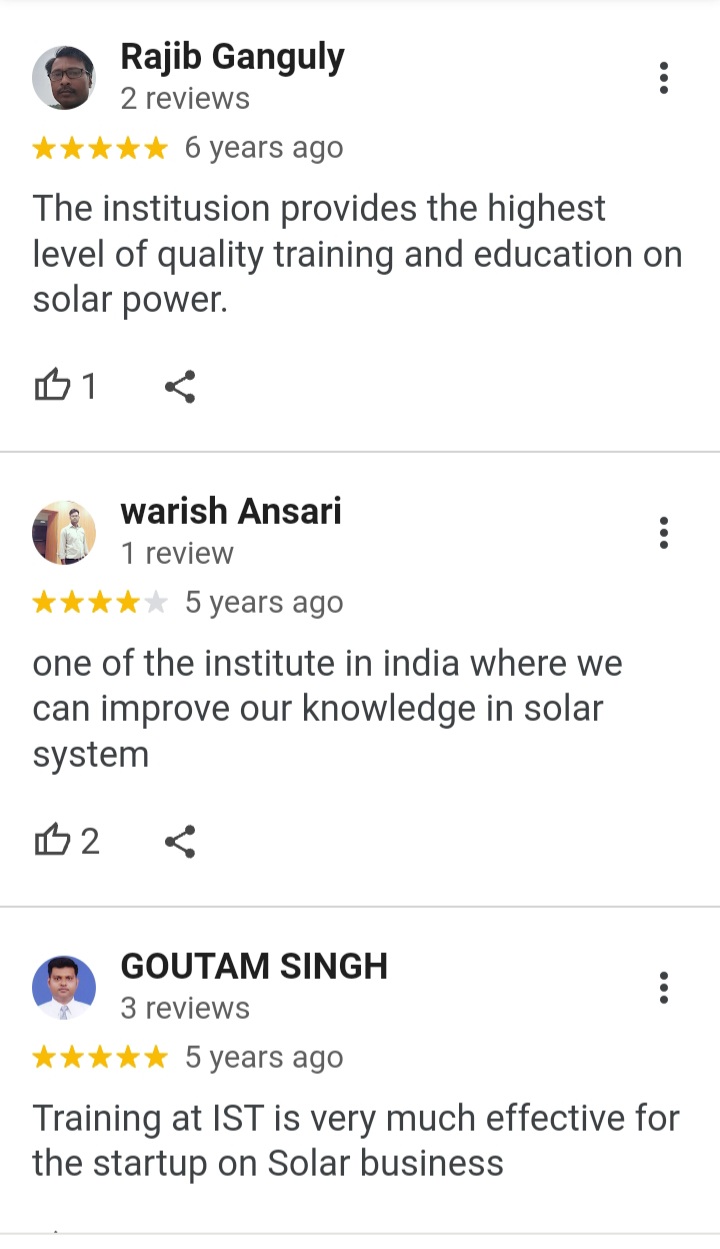
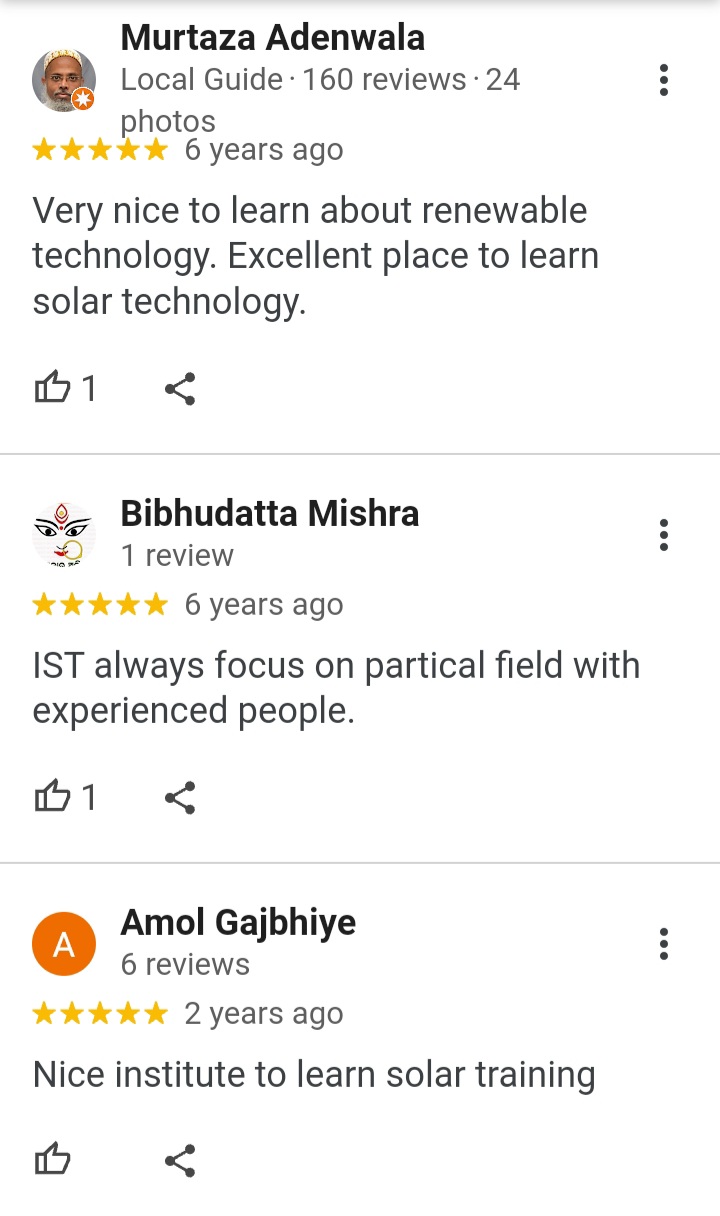
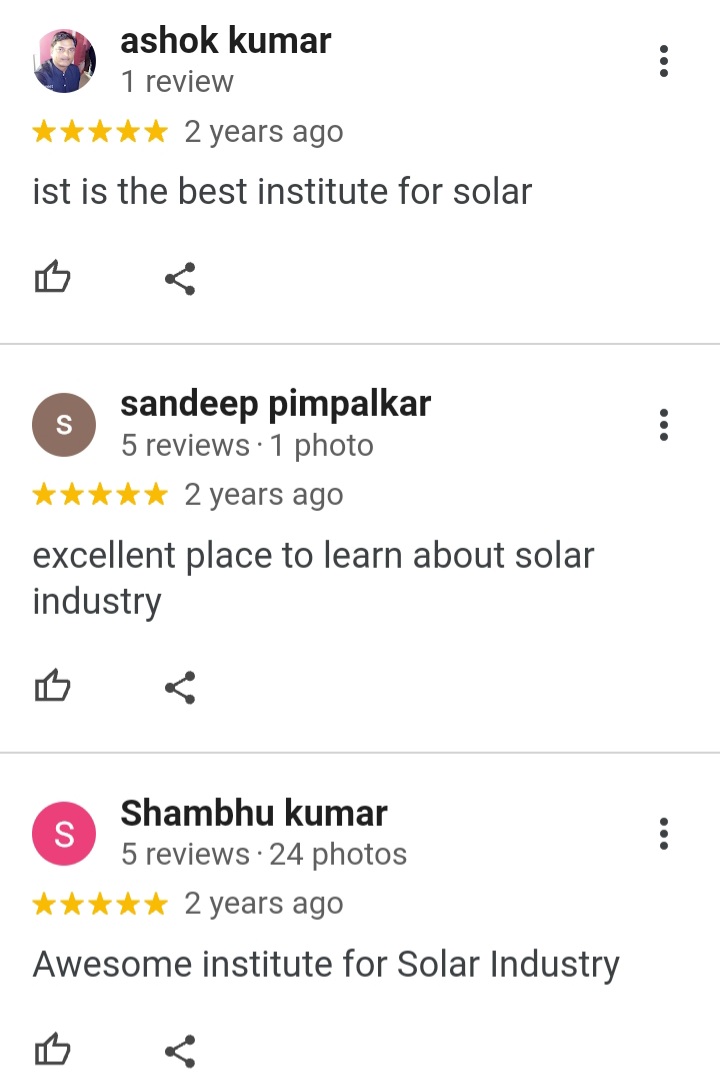
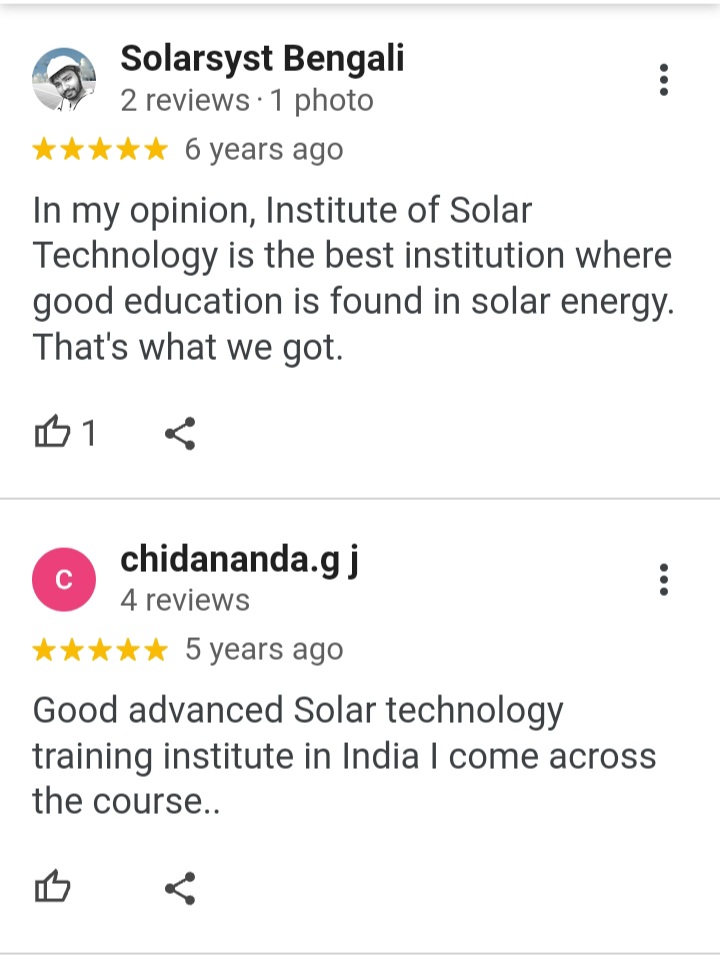
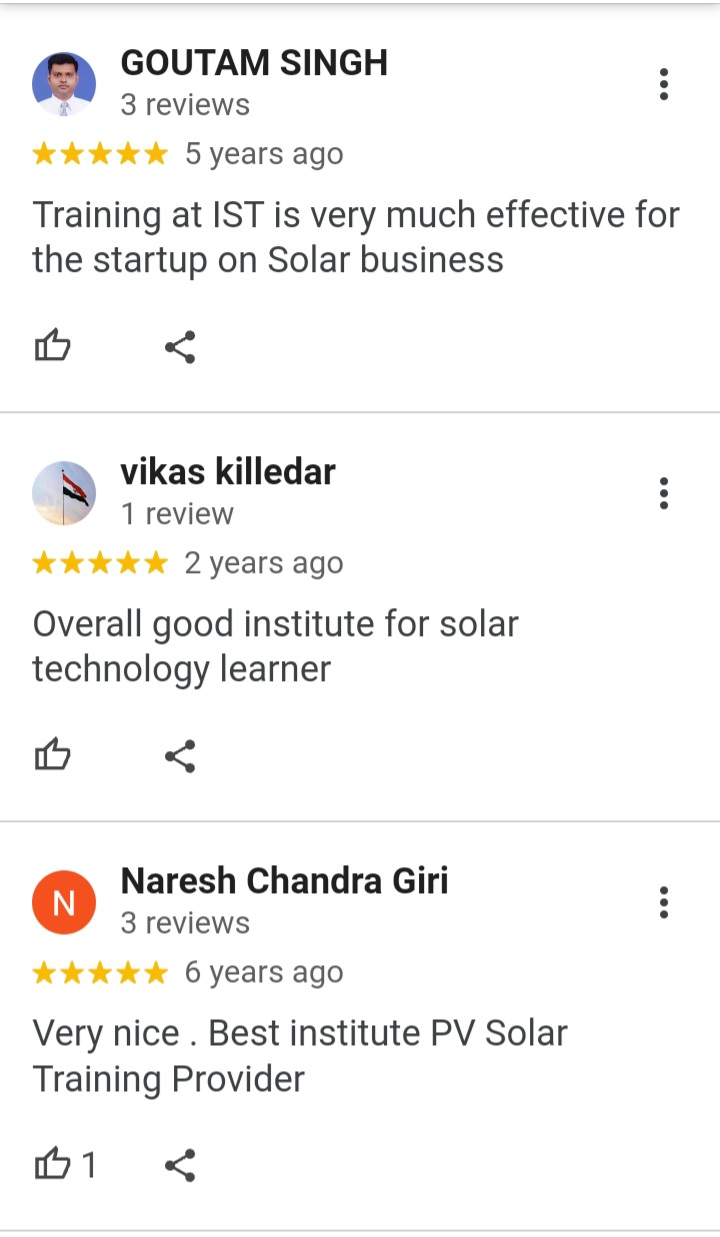
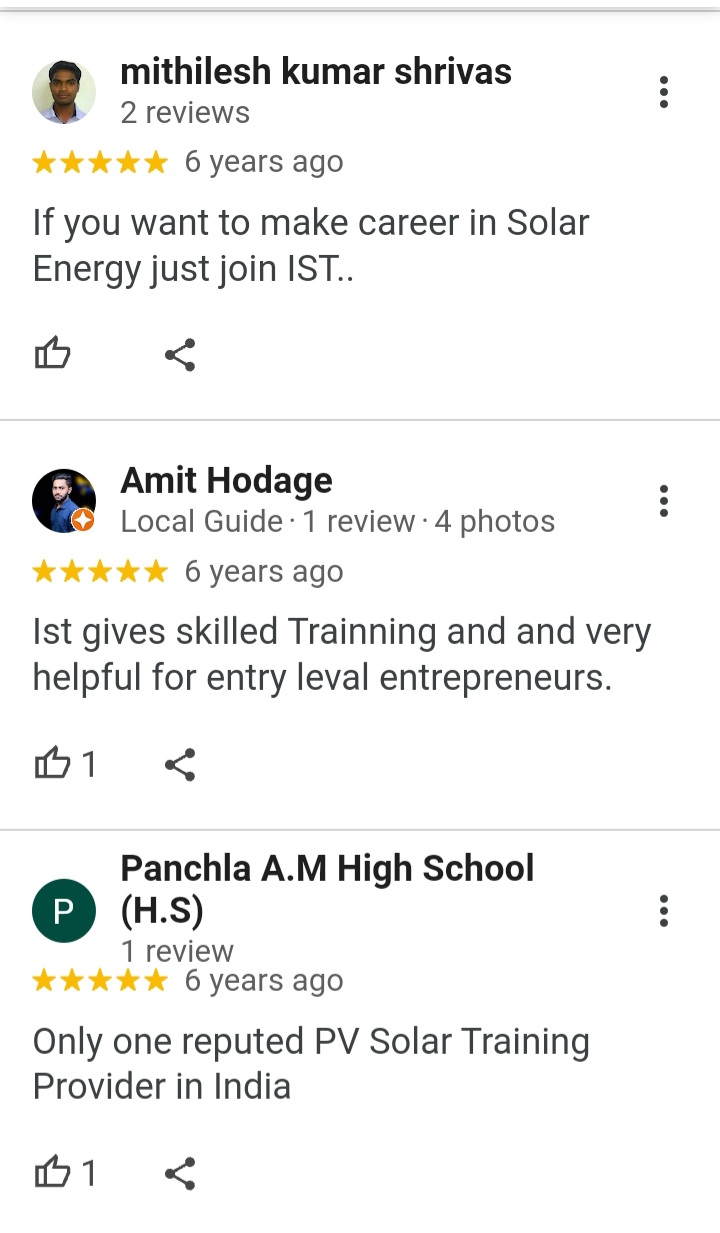
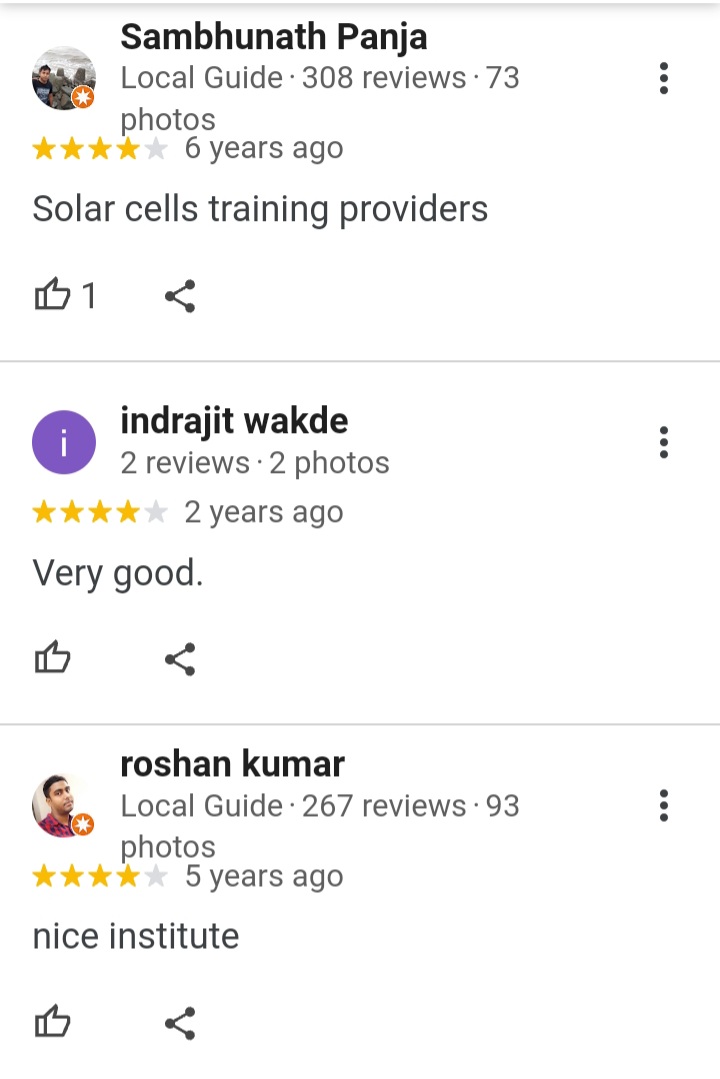
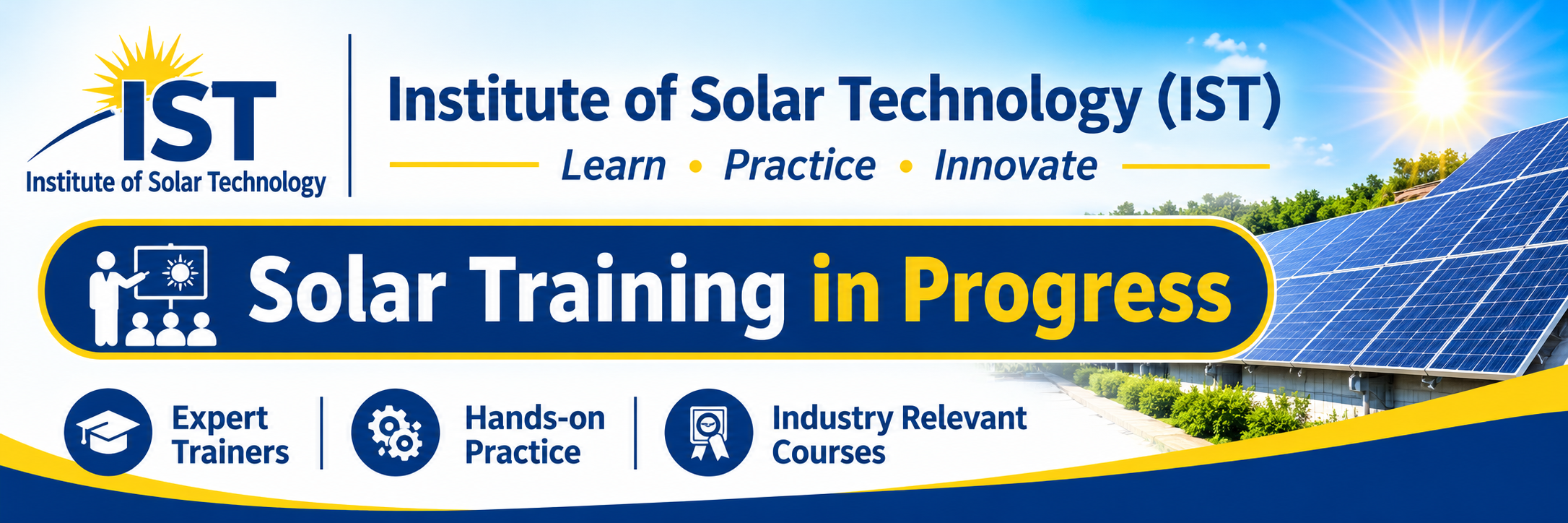
The Institute of Solar Technology (IST) provides professional solar training and technical education to help individuals understand solar technology, business opportunities, project planning, installation, and entrepreneurship.
Solar Project Design Master Course (Rooftop and Large solar system)
 Huge job opportunity Solar Design engineer job
Search Solar Design Engineer Job
For working professionals, early morning or night class slot available
👉 Introduce with Mentor
Solar Power Plant Releated Cloud Software access -
👉Know about IST SunPower System solar software
- Site Assessment
- Hybrid On-Grid System Simulation
- Solar DCDB Design
- Solar ACDB Design
- Solar Power Plant SLD
- Solar Project Quotation
- Solar Project Bankability Report
- Solar Power Plant BOQ
Admission going on for 4th Batch of Dec - 2026
1. Investment Required for a Solar Panel Business in India
The investment required depends on the type and scale of the solar business.
| Solar Business Type | Approximate Investment |
|---|---|
| Solar product dealership | ₹2–5 lakh |
| Solar panel distribution | ₹5–15 lakh |
| Solar installation business | ₹3–10 lakh |
| Rooftop solar EPC business | ₹10–25 lakh |
| Solar manufacturing unit | ₹1 crore onwards |
| Solar module manufacturing plant | Several crores |
Note: These are indicative planning estimates, not guaranteed costs. Actual investment depends on location, machinery, inventory, working capital, infrastructure, and business capacity.
2. Different Types of Solar Businesses
A. Solar Panel Dealership Business
Start a solar panel dealership by partnering with solar module manufacturers and distributors. You can sell solar panels, inverters, batteries, mounting structures, and other solar accessories.
B. Solar Distribution Business
Become a distributor or wholesaler of solar products and supply solar equipment to installers, EPC companies, dealers, and project developers.
C. Solar Installation Business
Provide residential, commercial, and industrial rooftop solar installation services. Revenue can be generated through equipment supply, installation, commissioning, and maintenance.
D. Solar EPC Business
An Engineering, Procurement and Construction (EPC) company handles complete solar projects, including system design, engineering, procurement, installation, testing, and commissioning.
E. Solar Manufacturing Business
Invest in manufacturing solar panels, solar mounting structures, junction boxes, cables, solar water heaters, and other solar components. Manufacturing requires higher investment, technical expertise, quality control, and regulatory compliance.
3. Documents and Registrations Required
Before starting a solar business in India, consider the following registrations and requirements:
Business registration (Proprietorship, Partnership, LLP, or Private Limited Company).
PAN card and business bank account.
GST registration, where applicable.
Udyam/MSME registration, if eligible.
Trade licence and local permissions, where applicable.
Electrical contractor licence or qualified electrical personnel, as required for the work.
Relevant state DISCOM and government scheme requirements.
Applicable BIS standards and product certifications.
ALMM and other applicable requirements for eligible government-supported projects.
Requirements vary according to the business model, state, product category, and project type.
4. Machinery and Equipment for Solar Panel Manufacturing
For entrepreneurs interested in solar module manufacturing, some major equipment includes:
Solar cell testing and sorting machine.
Solar cell stringer machine.
Glass loading equipment.
EVA and backsheet cutting machine.
Lay-up station.
Solar module laminator.
Trimming machine.
Framing machine.
Junction box fixing equipment.
EL testing machine.
Solar simulator and flash tester.
Packaging equipment.
A complete manufacturing plant also requires factory infrastructure, trained technicians, quality-control facilities, utilities, and raw-material inventory.
5. Profit Opportunities in the Solar Business
Solar businesses can generate revenue through multiple activities:
Solar panel and inverter sales.
Rooftop solar installation.
Solar EPC projects.
Solar system design and consultancy.
Annual Maintenance Contracts (AMC).
Solar system inspection and troubleshooting.
Solar product distribution.
Solar manufacturing and component supply.
Profitability depends on competition, procurement costs, customer acquisition, project execution, after-sales service, and working-capital management.
6. Government Schemes and Opportunities
Entrepreneurs should understand relevant Indian renewable energy programmes and policies, including:
PM Surya Ghar: Muft Bijli Yojana.
PM-KUSUM.
Rooftop Solar Programme.
Renewable energy and solar park development initiatives.
State-level renewable energy policies.
Applicable MSME and manufacturing support schemes.
Always verify the latest eligibility conditions, incentives, registration procedures, and guidelines through official government portals before making an investment.
7. Technical Knowledge Required to Start a Solar Business
Technical knowledge is essential for running a successful solar company. Important subjects include:
Solar photovoltaic (PV) technology.
Solar panel construction and manufacturing.
On-grid, off-grid, and hybrid solar systems.
Solar PV system design and sizing.
Solar panel installation techniques.
DC and AC cable sizing.
Inverter selection and configuration.
Earthing and lightning protection.
Solar generation and performance calculations.
Testing, commissioning, and troubleshooting.
Solar project costing and financial analysis.
8. Why Choose Institute of Solar Technology (IST)?
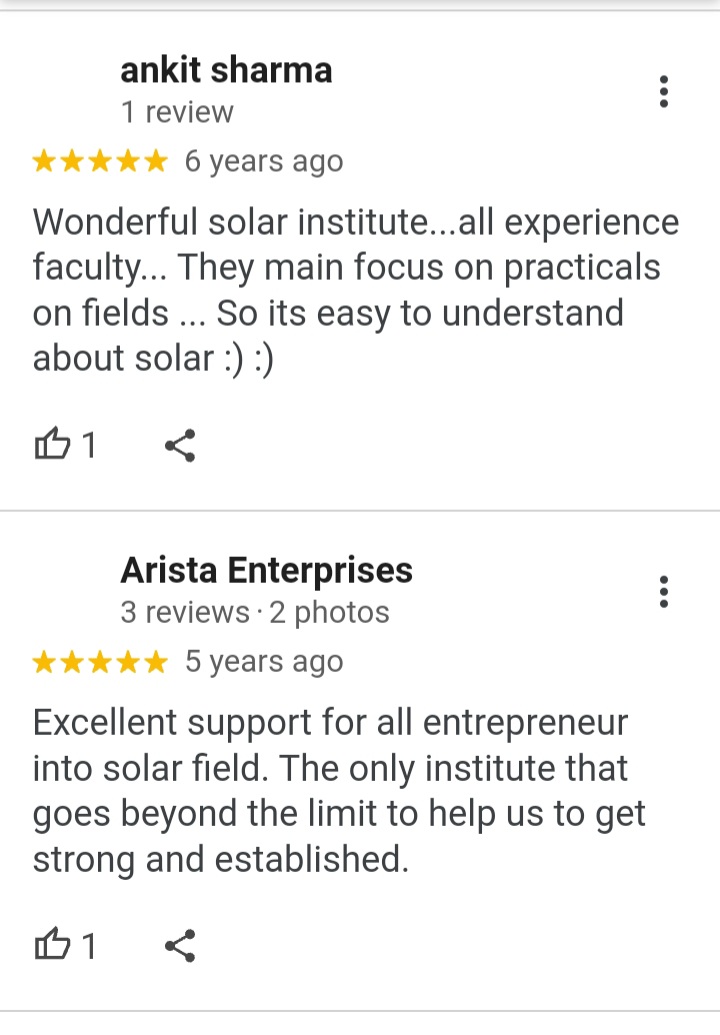
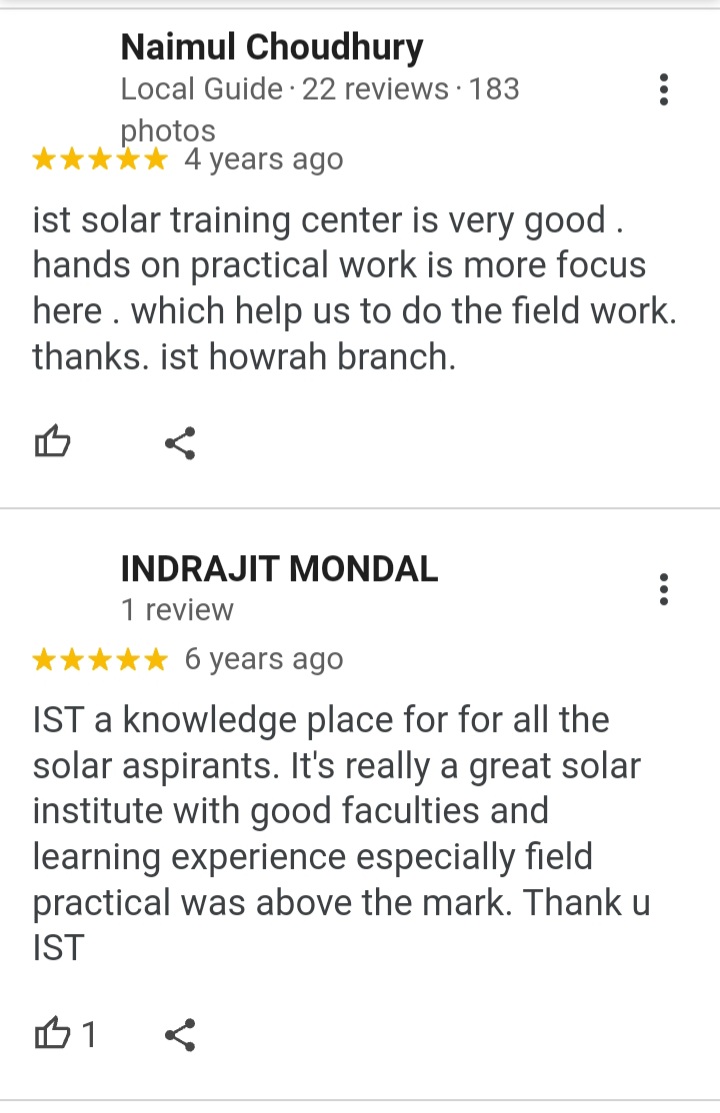
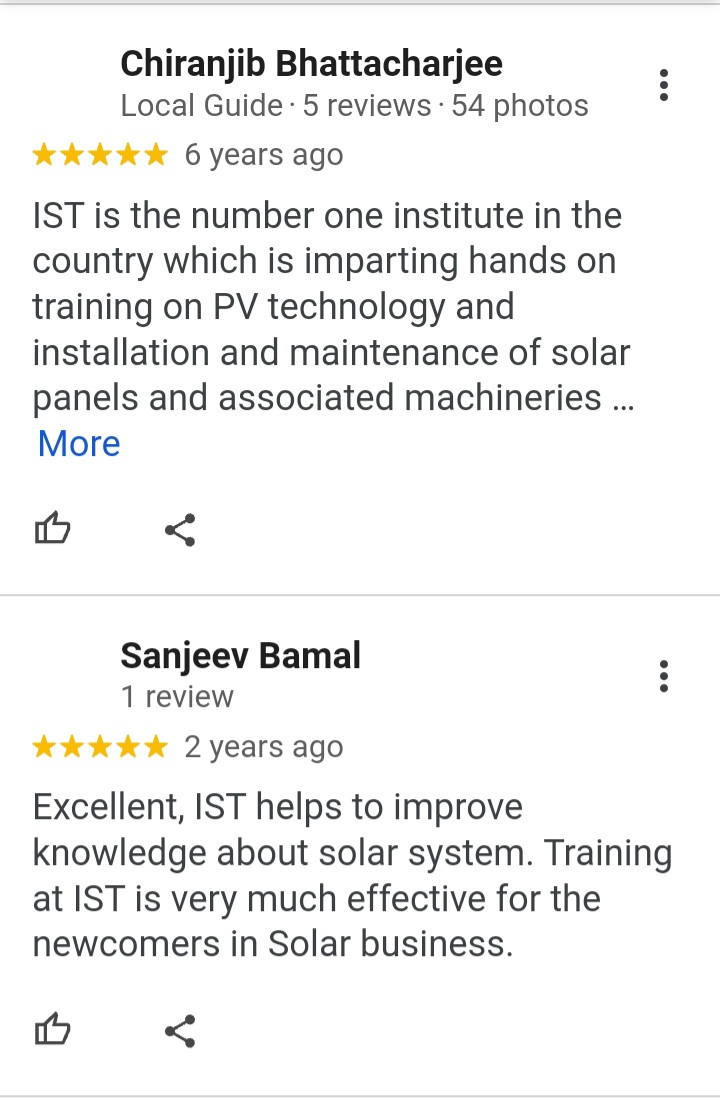
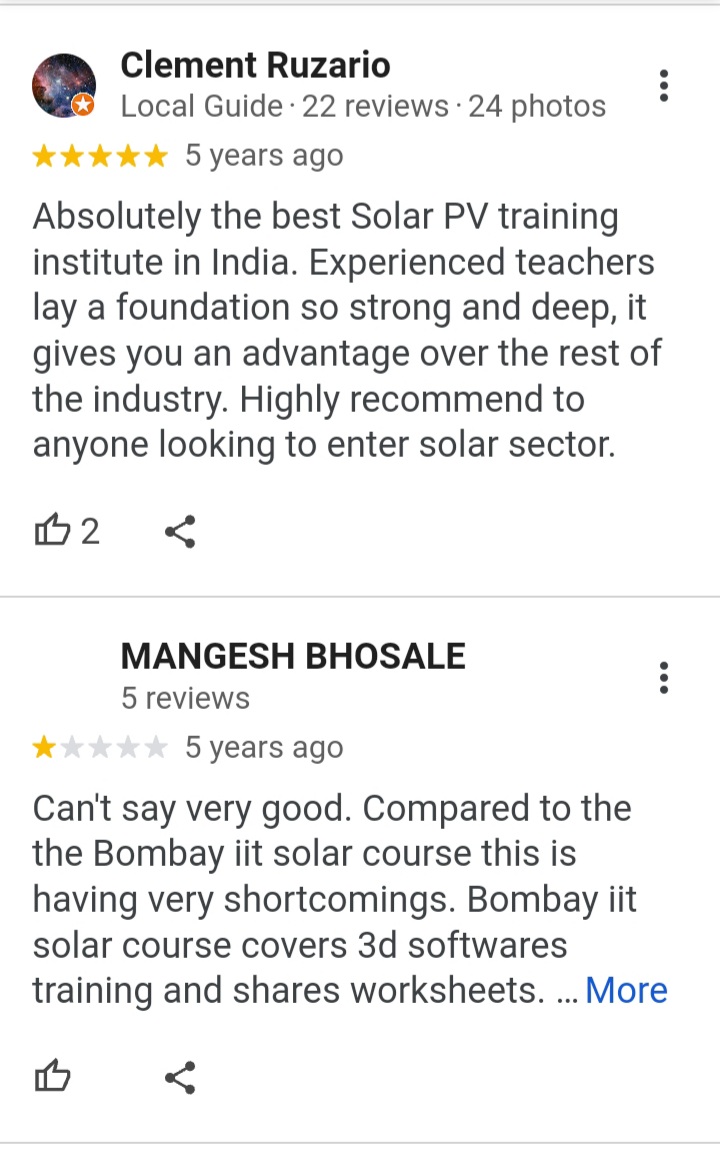
The Institute of Solar Technology (IST) focuses on practical solar education and professional technical training. Its training programmes help students, technicians, engineers, entrepreneurs, and business owners develop the knowledge required for the renewable energy industry.
IST training areas include:
Solar PV installation training.
Rooftop solar technical training.
Solar system design and engineering.
Solar EPC business training.
Solar panel manufacturing training.
Solar water heater manufacturing training.
Solar project management.
Practical solar electrical training.
9. How to Start Your Solar Business Successfully
Follow these steps to establish your solar business:
Select your solar business model.
Research your local solar market.
Prepare a business plan and investment budget.
Complete the required business registrations.
Identify reliable solar product manufacturers.
Develop technical knowledge and hire trained staff.
Build relationships with customers and suppliers.
Start with small projects and expand gradually.
Provide quality installation and after-sales services.
Monitor project profitability and business growth.
Conclusion
Starting a solar panel business in India can be a promising opportunity as renewable energy adoption continues to expand. Whether you want to establish a solar dealership, distribution company, installation service, EPC company, or manufacturing unit, proper investment planning and technical knowledge are essential.
Institute of Solar Technology (IST) supports aspiring solar entrepreneurs and professionals through practical solar training and technical education to help them build a career or business in the solar energy industry.
Learn Solar Technology. Develop Technical Skills. Build Your Solar Business with IST.