The solar energy industry in India is growing rapidly due to increasing electricity costs, government support, renewable energy policies, and rising demand for rooftop solar installations. Starting a solar business can be a profitable opportunity for entrepreneurs, electrical contractors, engineers, technicians, and aspiring solar professionals.
Understanding the profit margin in the solar business is essential before starting a solar company, becoming a solar distributor, or offering solar installation services.
Solar Project Design Master Course (Rooftop and Large solar system)
 Huge job opportunity Solar Design engineer job
Search Solar Design Engineer Job
For working professionals, early morning or night class slot available
👉 Introduce with Mentor
Solar Power Plant Releated Cloud Software access -
👉Know about IST SunPower System solar software
- Site Assessment
- Hybrid On-Grid System Simulation
- Solar DCDB Design
- Solar ACDB Design
- Solar Power Plant SLD
- Solar Project Quotation
- Solar Project Bankability Report
- Solar Power Plant BOQ
Admission going on for 4th Batch of Dec - 2026
1. Is Solar Business Profitable in India?
Yes, the solar business can be profitable in India when managed with proper technical knowledge, business planning, supplier networks, pricing strategies, and quality installation services.
Some popular solar business opportunities include:
Solar panel dealership and distribution.
Rooftop solar installation business.
Solar EPC (Engineering, Procurement and Construction).
Solar consultancy and project design.
Solar maintenance and AMC services.
Solar water heater sales and installation.
Solar inverter and lithium battery distribution.
Solar training and technical consultancy.
2. Profit Margin in Different Solar Business Segments
Profit margins vary depending on business size, location, competition, project type, purchasing costs, and operating expenses.
| Solar Business Type | Indicative Gross Margin |
|---|---|
| Solar Panel Distribution | 3%–8% |
| Solar Product Dealership | 5%–15% |
| Rooftop Solar Installation | 8%–20% |
| Solar EPC Business | 8%–15% |
| Solar Consultancy | 15%–30% |
| Solar Maintenance Services | 15%–35% |
| Solar Water Heater Business | 10%–25% |
These are illustrative planning estimates, not guaranteed industry-wide margins. Actual net profit will be lower after salaries, rent, transportation, marketing, taxes, financing, warranty obligations, and other expenses.
3. Example: Profit Calculation for a 5 kW Rooftop Solar Project
Suppose a solar company receives an order for a 5 kW rooftop solar installation.
| Particulars | Estimated Amount |
|---|---|
| Total Project Selling Price | ₹2,50,000 |
| Solar Panels | ₹1,00,000 |
| Solar Inverter | ₹35,000 |
| Mounting Structure | ₹25,000 |
| Electrical Accessories | ₹15,000 |
| Installation Labour | ₹15,000 |
| Transportation and Other Costs | ₹10,000 |
| Total Direct Cost | ₹2,00,000 |
| Gross Project Profit | ₹50,000 |
Gross profit margin = (Gross Profit ÷ Selling Price) × 100
= (₹50,000 ÷ ₹2,50,000) × 100
= 20% Gross Profit Margin
This example excludes additional business overheads and applicable taxes.
4. Investment Required to Start a Solar Business in India
The investment depends on the business model and scale of operations.
| Business Model | Indicative Initial Investment |
|---|---|
| Solar Consultancy | ₹50,000–₹2 lakh |
| Solar Installation Service | ₹2–₹5 lakh |
| Solar Dealership | ₹5–₹15 lakh |
| Solar EPC Company | ₹5–₹20 lakh |
| Solar Distribution Business | ₹10–₹30 lakh |
These figures are indicative planning budgets. Actual requirements depend on inventory, staff, tools, office space, working capital, and business location.
5. Factors Affecting Solar Business Profit
Several factors directly influence solar business profitability:
Product Purchasing Cost: Competitive procurement improves profit margins.
Installation Quality: Professional installation reduces rework and warranty expenses.
Technical Knowledge: Correct system design and sizing help avoid project losses.
Government Policies: Understanding applicable subsidy and regulatory requirements helps businesses serve customers correctly.
Marketing Strategy: Digital marketing, referrals, and local networking help generate customers.
After-Sales Service: Maintenance and customer support create repeat business opportunities.
Supplier Network: Reliable manufacturers and distributors help maintain product quality and delivery schedules.
6. Government Solar Schemes and Business Opportunities
India's growing rooftop solar market offers opportunities for solar entrepreneurs and installation companies.
Businesses should understand relevant government programmes, including PM Surya Ghar: Muft Bijli Yojana, applicable DISCOM procedures, vendor registration requirements, and current MNRE guidelines.
Always verify the latest eligibility, subsidy conditions, technical specifications, and vendor requirements before making commercial commitments to customers.
7. Skills Required to Start a Successful Solar Business
To operate a successful solar business, entrepreneurs and technicians should understand:
Solar PV system fundamentals.
On-grid, off-grid, and hybrid solar systems.
Solar panel and inverter selection.
Solar PV system design and sizing.
DC and AC cable sizing.
String configuration and voltage calculations.
Earthing and lightning protection.
Solar installation and commissioning.
Solar project costing and quotation preparation.
Government vendor registration procedures.
Solar business marketing and customer management.
8. Learn Solar Business and Practical Installation at IST
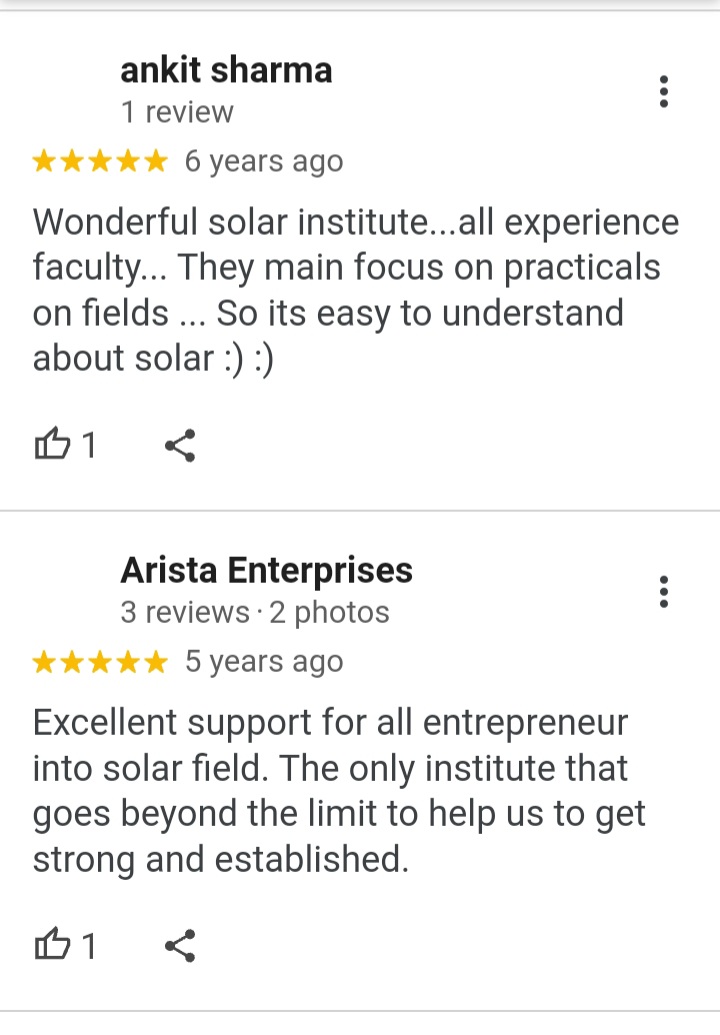
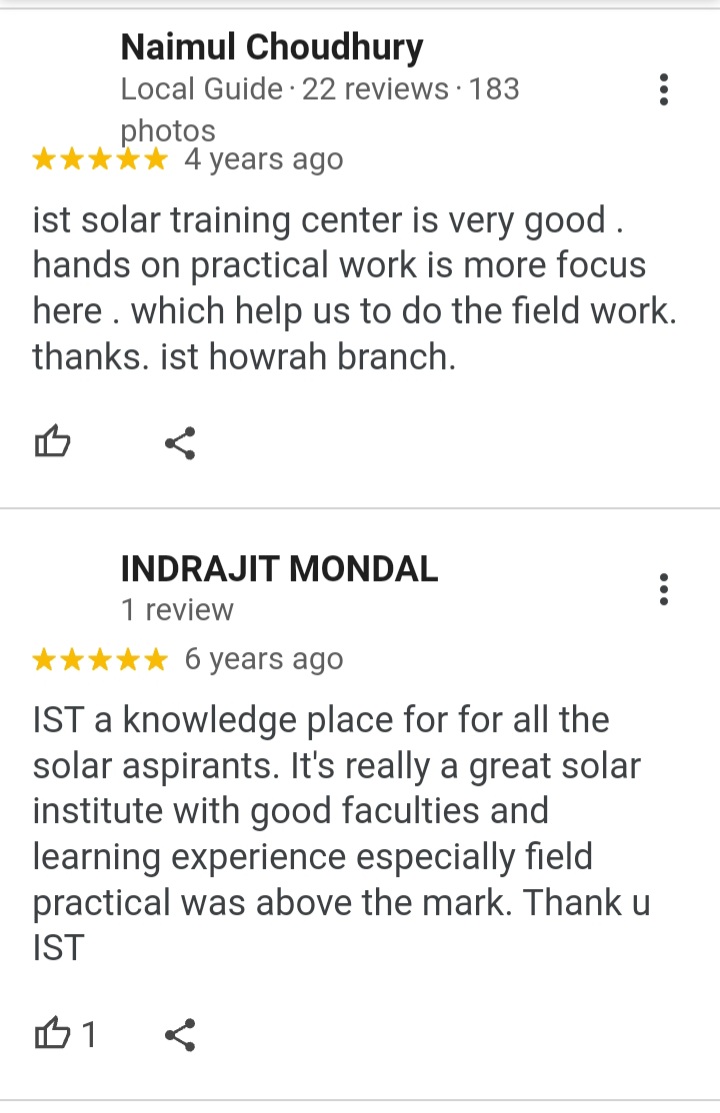
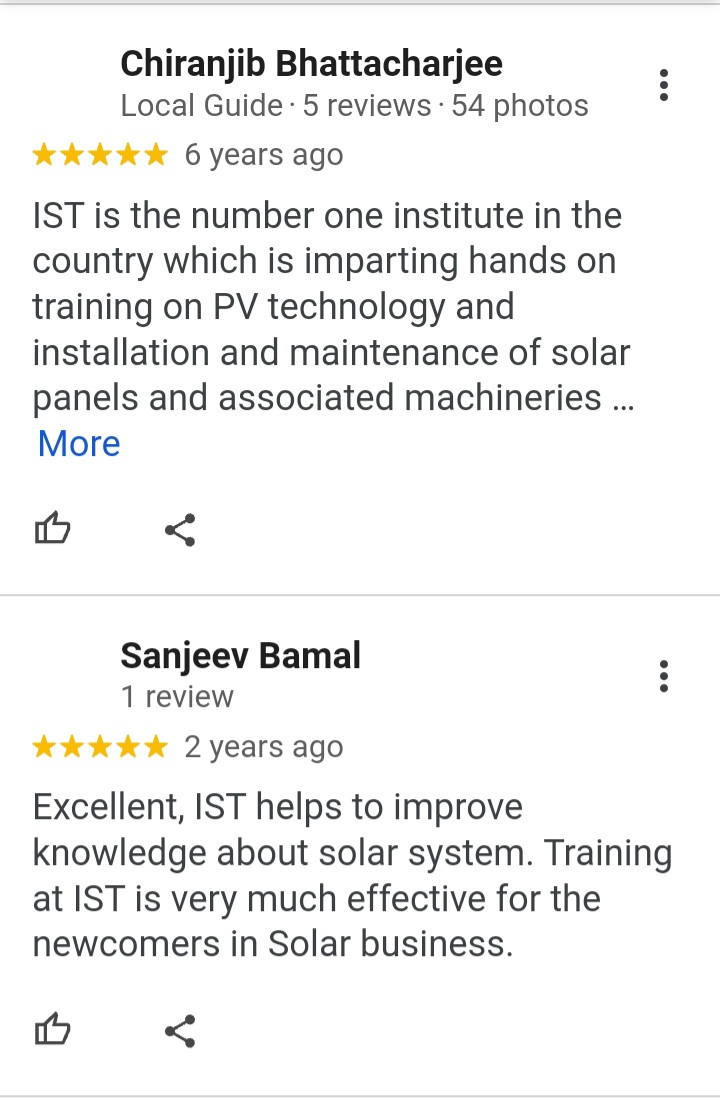
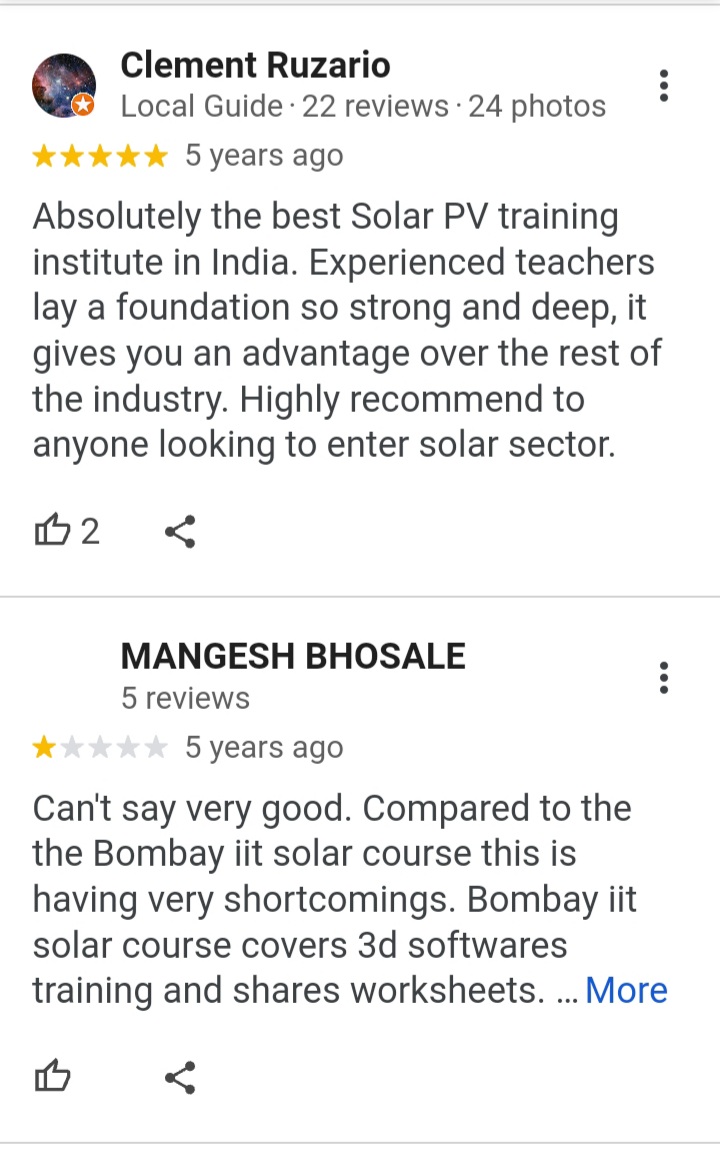
The Institute of Solar Technology (IST) provides solar technical training designed to help students, technicians, entrepreneurs, electrical contractors, and aspiring solar business owners develop practical industry knowledge.
Our training focuses on solar system design, installation, troubleshooting, electrical safety, solar project planning, and commercial understanding.
Whether you want to start a rooftop solar installation company, become a solar entrepreneur, or expand your existing electrical business, professional solar training can help you build the required technical foundation.
Conclusion
The solar business in India offers promising opportunities for entrepreneurs and technical professionals. Profitability depends on selecting the right business model, controlling procurement costs, maintaining installation quality, understanding government regulations, and providing reliable customer service.
With proper technical training and business planning, you can build a sustainable solar business in India's growing renewable energy sector.
Institute of Solar Technology (IST) – Learn Solar Technology, Develop Practical Skills, and Build Your Solar Business.